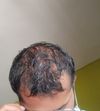
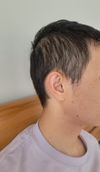
The user discusses using Minoxidil for hair loss and is considering RU58841 to reduce excessive oil production. They seek advice on RU58841's effectiveness in blocking sebum production.
The conversation is about a user's progress in treating hair loss using 1mg finasteride, topical minoxidil once at night, and weekly 1.5mm microneedling. The user reports significant improvement and no side effects, while others discuss their experiences and offer advice on similar treatments.
The user shared progress pictures after 5 months of Dutasteride Mesotherapy for hair loss. Commenters noted no visible change or worsening hair condition.
Exosomes are being considered for hair regrowth after using finasteride and minoxidil, with skepticism about their effectiveness and high cost. Users discuss administration methods like injections and microneedling, but concerns about pricing and potential scams are prevalent.
A 19-year-old is using keto shampoo, topical Minoxidil 5% for 3 months, and topical finasteride 0.1% for 1.5 months to address hair loss. They are noticing baby hairs and shedding, questioning if the hairs will thicken and if more time is needed for finasteride to work.
The conversation discusses potential future hair loss treatments, including SCUBE3, hair follicle cloning, and GT20029, with mentions of past disappointments like CosmeRNA and hopes for treatments like Verteporfin for infinite donor hair.
The conversation is about finding a clearnet vendor for clascoterone, also known as Winlevi, for hair loss treatment. The user is seeking recommendations via direct message.
The user reports that using topical Dutasteride has stopped their hair loss, and they are curious about potential side effects and regrowth. They also mention having scalp psoriasis and past SSRI use affecting libido.
A 42-year-old man is using topical finasteride, oral minoxidil, microneedling, ketoconazole shampoo, and various oils for hair loss treatment and is happy with the improvements after 5 months. He experienced mild side effects from finasteride, including temporary testicular pain and changes in libido, but no side effects from minoxidil.
The conversation is about a person rapidly losing hair and seeking information on the availability of a new treatment called scube3, as they have experienced side effects from current treatments like Minoxidil and finasteride. They are hoping scube3 will be approved soon as they believe it's their only remaining option.
A woman experiencing hair loss and facial hair growth suspects PCOS or androgenic alopecia and is considering treatments like Rogaine, but is concerned about the cost. She has tried various hair care methods and is awaiting a hormone doctor appointment, while others suggest she may have a hormonal imbalance and recommend seeing a gynecologist or trying cheaper versions of Rogaine.
The conversation discusses a user's plan to inject NAD+ and GHK-Cu into their scalp to improve hair health, with concerns raised about the risks of infection and necrosis. Alternatives like finasteride, dutasteride, microneedling, oral minoxidil, and scalp massages are suggested.
The conversation is about a 24-year-old using microneedling and essential oils, specifically neo hair lotion, to promote hair growth on the temples. The user reports seeing hair growth without using medications, using a 0.5 mm needle roller and planning to switch to a 1.0 mm needle.
A user shared progress pictures showing improvement from NW 6 to NW 2 after four months of treatment. They are considering using exosomes to further reverse hair miniaturization.
A 20-year-old male shares his 2.5-month progress using 1mg finasteride, topical minoxidil, tretinoin, dermarolling, and ketoconazole for hair loss, noting slight libido decrease. Users discuss sourcing topical finasteride and request more photos to see the results.
Avoid burning or scarring the scalp for hair growth; instead, use treatments like finasteride, minoxidil, or consider a hair transplant. Microneedling should be done carefully, and extreme methods can cause harm.
A 21-year-old is experiencing hairline recession and is using finasteride, saw palmetto, gelatin, topical minoxidil with retinoic acid, derma stamping, and scalp massage to address it. Suggestions include adding oral minoxidil, vitamin D3 with K2, and maintaining the current regimen for a year.
A 41-year-old man experienced significant hair regrowth using topical finasteride (0.025%), minoxidil, microneedling every two weeks, and occasional Nizoral 2% shampoo. He advises against using creatine due to personal experience with increased hair shedding.
The conversation discusses using pumpkin seed oil, saw palmetto, fo-ti, and astaxanthin for hair loss, with additional use of Nizoral shampoo. Users express skepticism about regrowth and suggest adding a micro derm roller or considering minoxidil and finasteride for better results.
A 21-year-old is concerned about androgenic alopecia and has been using minoxidil for a year, noticing some stabilization in the hairline but fears using it on the whole scalp due to seborrheic dermatitis. Another person suggests considering a psychiatrist for stress management, using Nizoral shampoo, and possibly trying a small dose of finasteride.
A non-binary transfeminine person experienced significant hair regrowth after starting finasteride, minoxidil, microneedling, and hormone replacement therapy with estradiol. They encourage trans individuals concerned about hair loss to consider estrogen as it has greatly improved their hair condition.
A user shared an 8-month hair loss treatment progress using daily saw palmetto and biotin capsules, weekly dermarolling, and a scalp lotion mix of castor, jojoba, and rosemary oils, avoiding finasteride and minoxidil due to side effects and cost. The user reported encouraging progress with slight hairline improvement and better crown area, attributing most success to dermarolling.
The conversation discusses treatments for scalp inflammation, suggesting options like scalp massage, changing shampoos, using aloe vera, Tgel, nizoral shampoo, topical cetirizine, and consulting a dermatologist. Finasteride was mentioned as helpful for reducing inflammation, but with side effects.
The conversation discusses hair regrowth after 5 months of using finasteride and minoxidil, along with 3 sessions of laser therapy and exosomes. The user is hopeful about regaining their bangs.
Hair oils can cause severe allergic reactions, as seen in Jermel Brown's case, leading to significant health issues and legal action for damages. Users discussed concerns about various hair oils, including Mielle and Kiehl's, with some experiencing hair loss and others using treatments like Minoxidil and Finasteride to address damage.
A 34-year-old male has been using a topical minoxidil and finasteride solution for hair loss and was prescribed oral finasteride by a dermatologist. He questions the necessity of monthly consultations since the prescription remains unchanged.
The user has been using oral finasteride, topical minoxidil, a derma roller, and root activating shampoo for hair regrowth, seeing positive results without side effects. They apply minoxidil after using a 1.5mm derma roller and are considering switching to ketoconazole shampoo.
A user with mild psoriasis on the scalp is using finasteride, topical minoxidil, and dermarolling for hair loss but plans to stop minoxidil on the crown due to psoriasis aggravation. Suggestions include switching to a lipid-based minoxidil, using Ketoconazole shampoo, or trying oral minoxidil.
The user has been using topical minoxidil and oral finasteride for hair regrowth, noticing some improvement and baby hairs at the hairline after four months. Suggestions include continuing the current treatment, considering microneedling, ketoconazole shampoo, vitamins, and possibly RU58841, while avoiding a hair transplant.
The user is experiencing stage 2 hair loss and thinning, noticing more scalp visibility with short hair. They are considering diet, yoga, scalp massage, supplements, and a serum recommended by their doctor, and questioning if it's safe to stop using the serum and whether to get a blood test since hair loss isn't a family trait.