A user with long-term hair loss has been using topical minoxidil, finasteride, RU58841, ketoconazole, and dermastamping for 8 months. They are unsure if the new hairs are miniaturized or vellus.
The conversation discusses experiences with topical dutasteride for hair loss, comparing formulations from FUEClinic, MinoxidilMax, and Strut. Users share their results and side effects, with some preferring topical over oral treatments to minimize systemic absorption.
The user is using minoxidil and finasteride to treat hair loss and is concerned about shedding and potential aggressive hair loss. They noticed some regrowth in trichoscopy pictures but are unsure about real-life changes.
A 25-year-old is experiencing hair thinning despite using oral minoxidil, finasteride, and dutasteride, and is considering adding topical minoxidil. They also have seborrheic dermatitis and are advised to try ketoconazole shampoo or cream and possibly CBD with MCT oil.
PCOS female visited doctor for hair loss concerns, prescribed spironolactone and minox 5%. Doctor advised against finasteride or dutasteride, user considering self-medication with dutasteride.
The conversation discusses a new model for understanding androgenetic alopecia (AGA), linking it to dietary and lifestyle factors similar to PCOS, and highlighting the role of DHT, vascular damage, and inflammation. Treatments mentioned include Minoxidil, finasteride, and RU58841.

User discusses hair loss treatments, including fluridil, minoxidil, tretinoin, melatonin, stemoxydine, ketoconazole, and piroctone olamine. They suggest that shedding healthy terminal hairs may be bad, while shedding weaker hairs could indicate a beneficial treatment effect.
Men with hair loss might have lichen planopilaris (LPP), which can mimic androgenetic alopecia, leading to misdiagnosis and ineffective treatment with finasteride or dutasteride. Proper diagnosis, including biopsies, is crucial to distinguish between androgenetic alopecia and conditions like LPP.
A user reported using oral Minoxidil 3mg, oral Finasteride 1mg, topical Minoxidil, dermarolling twice a week, and taking biotin and vitamin D daily for 10 weeks. They noticed small hairs growing at the hairline after 6 weeks.
The user is experiencing a second hair shedding phase after 7 months on finasteride, oral minoxidil, and ketoconazole, and is concerned about the sustainability of the treatment. Others encourage continuing the treatment, explaining that shedding is normal and should stabilize over time.
A woman with androgenic alopecia has been using birth control, spironolactone, finasteride, and oral minoxidil for hair loss. She sought to change her medications to dutasteride and bicalutamide, but her new dermatologist refused to prescribe them for off-label use.
Switching from propylene glycol to glycerin in topical finasteride may reduce systemic absorption and side effects while maintaining local scalp DHT suppression. Concerns exist about glycerin's ability to deliver the full dose to hair follicles.
A dermatologist refused to prescribe finasteride due to concerns about recent research linking it to male breast cancer, suggesting a topical alternative with minoxidil instead. The user is advised to seek a second opinion, as the evidence for such risks is inconclusive and the dermatologist's reasoning seems questionable.
The user experienced severe scalp itching after using RU58841 and ketoconazole shampoo, despite trying moisturizing treatments. They suspect the issue is related to the propylene glycol in the vehicle and are seeking alternatives.
The conversation discusses using GHK-Cu, C60, and saw palmetto oil as treatments for hair loss. Specific treatments mentioned include Minoxidil (Min), Finasteride (Fin), and RU58841 (RU).
A person with Alopecia Areata on their beard is using CB-03-01 and oral minoxidil for treatment. Some users question the effectiveness of CB-03-01 for beard hair, suggesting that minoxidil alone may be responsible for any observed hair growth.
A 22-year-old male has been experiencing widespread hair loss for over four years, including pain and significant shedding. Treatments tried include ketoconazole shampoo, fluocinonide topical solution, biotin, ACV, and dry shampoo, but none have been effective.
User has been using topical finasteride and minoxidil since May, previously used a spray version since January. They are seeing vellus hairs and have added weekly microneedling to their routine.
The conversation is about a 21-year-old using finasteride, dermarolling, ketoconazole shampoo, hair growth serums, and exosome therapy to treat early-stage thinning on the crown. They are questioning if these treatments are sufficient to improve hair thickness.
Biotin can cause cystic acne for some users, and it's advised to stop using it if this occurs. For hair loss, finasteride and dutasteride are recommended, but a dermatologist should be consulted.
A user with seborrheic dermatitis uses Ketoconazole 2% and Betamethasone and is considering starting Minoxidil for thinning hair. They are concerned about using Minoxidil and Betamethasone simultaneously.
A 21-year-old is concerned about androgenic alopecia and has been using minoxidil for a year, noticing some stabilization in the hairline but fears using it on the whole scalp due to seborrheic dermatitis. Another person suggests considering a psychiatrist for stress management, using Nizoral shampoo, and possibly trying a small dose of finasteride.
The conversation is about a user experiencing excessive hair growth on their body due to using topical minoxidil and dutasteride. The suggested solutions are shaving off the excess hair or considering laser epilation. It is mentioned that dutasteride does not cause extra hair growth, while minoxidil can stimulate hair growth in unintended areas. The user is advised to lower the dosage, concentration, or frequency of use and only apply the treatment to the desired areas.
The user is experiencing irritation from using PG with RU58841 and is seeking alternative solutions like K&B in the UK. They report redness, itchiness, and flaky skin from the current treatment.
Elevated PGD2 levels in bald scalp tissue may contribute to hair loss, and treatments like castor oil, finasteride, and minoxidil are discussed as potential solutions. Some users explore alternatives like oral castor oil and cetirizine for those who cannot use finasteride.
A 22-year-old male is experiencing hair loss and has been using topical minoxidil and anti-dandruff shampoo for six months without improvement. Suggestions include adding finasteride to the routine and considering treatments for potential scalp issues like seborrheic dermatitis.
Hair loss treatments are difficult because hair follicles react differently to hormones and have varying growth cycles. Treatments mentioned include Minoxidil, finasteride, and RU58841.
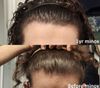
A user had a disappointing dermatologist appointment where they were denied prescriptions for Dutasteride and oral Minoxidil for hair loss and were only offered a hair transplant referral. Other users sympathized, discussed self-medication, and suggested consulting a transplant doctor for up-to-date treatments.