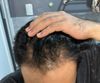
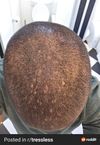
A 27-year-old male experienced hair loss and dermatitis, which improved with tea tree oil and neem extract. He is considering using a 2% Ketoconazole solution for further treatment.
The conversation is about frustration with dermatologists not effectively treating hair loss and the difficulty in obtaining prescriptions for Minoxidil and Finasteride. Some users suggest seeing specialists or general practitioners for hair loss treatment, while others share their own experiences with dermatologists and the importance of doing personal research.
The user is concerned about low DHT levels due to using saw palmetto in Foligain supplements and is considering trying finasteride. They seek advice on whether finasteride will also lower DHT and how to manage DHT levels.
Hair follicles can be dormant and potentially revived with treatments like finasteride and minoxidil, but irreversible loss occurs if certain structures are destroyed. Early intervention is more effective, and additional methods like microneedling may help.
A 25-year-old is frustrated with hair loss and inability to grow facial hair despite using oral finasteride and minoxidil for over a year. Suggestions include trying topical treatments, considering a hair system, or seeking professional help for mental health.
The user is experiencing severe hair shedding while on finasteride and plans to start using ketoconazole shampoo to address a greasy, waxy scalp buildup. They are seeking additional advice for managing hair loss.
A 28-year-old is experiencing hair loss despite using treatments like oral minoxidil, finasteride, and high-dose dutasteride (2.5 mg). They suspect lichen planus might be contributing to the issue and plan to continue treatment while monitoring progress.
The conversation discusses the effectiveness and skepticism around topical dutasteride for hair loss, with mentions of combining it with other treatments like minoxidil and oral medications. Some users doubt its efficacy due to lack of independent studies and potential conflicts of interest.
A 30-year-old woman with a history of anemia and low vitamin D experienced hair shedding, which improved after addressing nutrient deficiencies. Despite regrowth of terminal hairs, her dermatologist recommended treatments like minoxidil and spironolactone to prevent future bald spots, but she is cautious due to family history of hormone-related cancers.
A user has been taking finasteride for 5 months with no improvement in diffuse hair loss and suspects high levels of prolactin, cortisol, progesterone, and DHEAS, as well as iron, might be contributing to the issue. They are also taking vitamin D to address a deficiency.
A user experienced dry, brittle hair after starting dutasteride and considered switching back to finasteride. Another user advised that the dryness is temporary and shared positive results with dutasteride and oral minoxidil after several months.
The conversation is about experiences with Dutasteride Mesotherapy and its symptoms compared to oral dutasteride. Users discuss the effectiveness and side effects of this treatment for hair loss.
The user is experiencing hair shedding while using finasteride and topical minoxidil with tretinoin, keto shampoo, and dermarolling. They hope the shedding indicates future hair regrowth.
A 25-year-old shared progress in hair regrowth after 7 months using dutasteride, minoxidil, and microneedling, noting some baby hair growth on the temples. The user plans to continue this treatment, having found it effective despite some initial shedding and challenges with styling due to topical minoxidil.
CB-03-01 is a topical anti-androgen with low absorption, offering potential as a side-effect-free alternative to Finasteride/Dutasteride for hair loss. It's in stage 2 clinical trials for acne and showing promise for male pattern baldness.
Dutasteride and finasteride for hair loss, with dissatisfaction expressed about dutasteride and consideration of switching back to finasteride. Users share varied experiences, noting individual responses to treatments differ.
A 23-year-old male taking 0.25 mg finasteride for 40 days noticed reduced hair shedding and improved hair texture but experienced watery semen, which might be temporary. Overejaculation and finasteride can cause this, and it usually resolves, but consulting a healthcare provider is advised if it persists.
The user has been taking oral finasteride for 2 months, experiencing more hair loss but noticing some fuzzy hair growth on the scalp. They are questioning if this new hair growth is significant.
The user discussed hair loss treatments, considering options like oral and topical dutasteride, minoxidil, pumpkin seed oil, and a tonic with various ingredients. They expressed concerns about side effects and the cost of microneedling sessions.
Sprocketshead asks if pyrilutamide can be applied with minoxidil, and inquires about its consistency and odor. They want to know if it's more high maintenance than topical minoxidil.
The conversation is about using a topical hair loss treatment from eSurgery containing finasteride, minoxidil, and tretinoin. The user is seeking recommendations and experiences with this specific product.
The conversation discusses methods to further reduce DHT in the scalp for hair loss treatment, with users suggesting various approaches like using dutasteride, minoxidil, tretinoin, and natural supplements like pumpkin seed oil. Some users also mention using topical applications and scalp massages to enhance the effectiveness of these treatments.
The conversation is about someone's 13-month hair regrowth progress using 0.5 mg Dutasteride daily, 5% Minoxidil twice daily, Biotin tablets, and Sebizole shampoo. They are happy with the results.
Dutasteride mesotherapy is discussed as a potentially effective hair loss treatment with no sexual side effects, requiring less frequent application than daily pills. However, it is not widely popular due to limited availability, high cost, and skepticism about its effectiveness.
A 24-year-old male experienced increased hair shedding after switching to a new topical finasteride and minoxidil solution with a better carrier. He is concerned whether this shedding indicates progress or a setback in his hair loss treatment.
Switching from liquid to foam minoxidil may cause mild shedding, possibly due to differences in absorption. Returning to the original liquid formulation typically stabilizes shedding within a few weeks.
The user reported initial hair regrowth and improved hair quality after starting finasteride, but noticed a return of hair loss after about a year. They also experienced side effects like erectile dysfunction and watery semen, which later improved.
The user is experiencing reduced hair shedding and increased hair density after using finasteride, minoxidil, derma rolling, granactive retinoid, and Nizoral, while also taking testosterone and aromatase inhibitors. They question if they are a hyper responder to the treatments, despite mixed feedback from others about visible progress.
Azelaic acid is discussed as a DHT inhibitor with no reported sexual side effects, but its effectiveness and absorption as a topical treatment are questioned. The user is interested in azelaic acid due to concerns about finasteride affecting penile health.
A 20-year-old male switched from MorrF5 to Zeelab’s MinoxilF, both containing minoxidil 5% and finasteride 0.1%, and is experiencing unexpected hair shedding. He is seeking guidance on whether the shedding is due to the brand change or if it's a normal reaction.