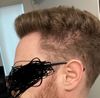
A 34-year-old male is experiencing hair loss on the sides of his head, with inflammation and itchiness, while the top remains thick. He is using topical dutasteride and keto shampoo to address the issue.
A 28-year-old is experiencing early signs of balding and is using a routine that includes oral minoxidil, topical dutasteride, microneedling, and ketoconazole shampoo. They are seeking advice on the effectiveness of oral minoxidil with microneedling and the reliability of their product sources.
Hair loss and its potential treatments, such as minoxidil, finasteride, RU58841, dermarolling, and supplements. It discusses whether miniaturized follicles can be revived to grow again or must shed for new growth to appear.
A 24-year-old male has been using finasteride for 7 months and noticed thinning hair, especially when wet, and is concerned about the effectiveness of the treatment. Suggestions include continuing finasteride, considering minoxidil, and possibly trying micro-needling.
.
This conversation was about hair loss treatments, with suggestions ranging from topical minoxidil and coconut oil to finasteride and microneedling. Several users suggested shaving off the remaining hair as a last resort.
Saw palmetto, a 5-alpha reductase inhibitor, caused unexpected side effects like breast changes and altered semen consistency, which resolved after stopping its use. Concerns about similar side effects with finasteride or dutasteride were expressed, and another user reported low libido and depression from saw palmetto.
Hair follicle cloning is claimed to be possible but not widely available due to potential safety issues, such as cancer risks. Current treatments like finasteride and dutasteride are not effective for everyone, and there is frustration over limited access to these medications.
The user is experiencing a minoxidil shed after six months of use, noting a significant number of miniaturized hairs compared to mature ones, and has been on finasteride 0.5mg daily for two years with positive results. The user meticulously counts and categorizes shed hairs, sparking reactions ranging from amusement to concern over the level of obsession.
Saw palmetto's fatty acids, particularly lauric and linoleic acids, inhibit enzymes linked to hair loss, while sterols like beta-sitosterol are less effective due to poor absorption. The conversation questions which specific compounds in saw palmetto contribute to its anti-androgenic effects.
AH-001 is a new topical treatment designed to degrade androgen receptors, targeting the root cause of androgenetic alopecia without the side effects of oral treatments like finasteride. It has shown a strong safety profile and good local tolerability in early trials.
Scalp hydration may influence hair growth by affecting the signaling pathways that control the hair growth cycle. Users suggest using facial moisturizer, aloe vera, and oils for scalp hydration.
Rhamnose may promote hair growth and pigmentation, suggesting it as a potential hair loss treatment. The conversation discusses its potential alongside known treatments like Minoxidil, finasteride, and RU58841.
Dutasteride 0.5 mg significantly reduces both scalp and hair follicle DHT, with a greater reduction in hair follicle DHT. The discussion questions which reduction is more important for androgenetic alopecia and diffuse thinning.
Beard gains from minoxidil are usually permanent due to facial hair follicles' lower sensitivity to DHT. Scalp hair requires ongoing DHT suppression with treatments like finasteride, dutasteride, and RU58841 to maintain gains after stopping minoxidil.
The conversation is about trying Keratin Microsphere products for hair loss, specifically SAF 100 Pro, but no noticeable results were observed. The user also mentioned using a Hairclub wand.
A humorous discussion about random, long hairs appearing on the body, with no connection to hair loss treatments like Minoxidil, finasteride, or RU58841. Participants share personal anecdotes about these unusual hairs.
A peptide from Japanese water chestnut fruit may help with hair loss by suppressing DHT's effect on hair follicle cell death, potentially serving as a finasteride alternative. The treatment's effectiveness and safety in humans remain uncertain.
The conversation discusses hair loss treatments, specifically mentioning Minoxidil, finasteride, and RU58841. It also references Epibiotech's hair multiplication and cell therapy as potential solutions.
A 38-year-old with type 4c hair has experienced significant hair regrowth using oral finasteride and topical minoxidil for a year. They are concerned about potential shedding from a new hair growth serum and oil product, despite their current treatment.
A user's scalp issue that may be causing their hair loss and potential treatments, such as salicylic acid, finasteride, minoxidil, ketoconazole shampoo, and visiting a dermatologist.
The conversation discusses using essential oils like rosemary, peppermint, pumpkin seed, jojoba, and possibly saw palmetto for hair regrowth. It invites users to share their mixes and routines for these treatments.
User applied topical Minoxidil 5% and Finasteride 0.1% daily, with rosemary oil weekly, and saw initial baby hair growth. They plan to add derma stamping and Redensyl serum.
After 5 months using 1mg oral finasteride, 2ml topical minoxidil, 3mg oral minoxidil, biotin, and shampoo with nioxin and nizoral, the individual saw decent hair improvement but is not fully satisfied yet.
The conversation is about a user making a homemade topical dutasteride solution to use alongside testosterone replacement therapy (TRT) and oral dutasteride. The user aims to reduce DHT locally at the testosterone injection site and on the scalp.
A South Korean company, Therazyne, has developed a promising hair loss treatment using a WNT chain surrogate that binds to Frizzled 7, with human follicle testing expected soon. Current treatments like minoxidil and finasteride are not seen as cures, and while optimism exists for future solutions like PP405, approval processes are lengthy.
The conversation discusses hair regrowth using saw palmetto (800 mg daily), a derma roller (0.5 mm twice a week), rosemary oil, and a multivitamin. The user mentions using Bliss Pharma's saw palmetto supplement.
OP shared progress pictures after 7 months of using a topical solution with 0.25% finasteride and 5% minoxidil, prescribed by a dermatologist. OP experienced mild shedding initially and noticed significant growth by the third month.
A user shared progress pictures after 4 months of using topical finasteride and minoxidil, dutasteride, rosemary oil shampoo, ketoconazole, and pumpkin seed oil, reporting great results and increased hair thickness. Other users commented on the mild initial hair loss and congratulated the user on their success.
After one month of treatment for hair loss, which included Dutasteride, oral Minoxidil, PRP with Dutasteride mesotherapy, microneedling, supplements, and a shampoo with finasteride and minoxidil, the user observed thicker hair and signs of new hair growth with no bad side effects. They plan to provide another update at the three-month mark.