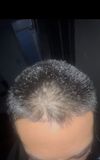
The user is struggling with seborrheic dermatitis and plans to try ciclopirox olamine after finding ketoconazole too drying. They are also using finasteride daily.
The user is seeking recommendations for topical saw palmetto and pumpkin seed oil products to treat early male pattern baldness and is considering different options available online. They are specifically asking which saw palmetto product to choose between two provided links.
SCUBE3 and GT20029 are potential treatments for hair loss, with SCUBE3 stimulating hair growth and GT20029 protecting against DHT. A combined approach using SCUBE3, finasteride or dutasteride, and later GT20029 could provide a comprehensive treatment for androgenetic alopecia.
The conversation is about a female experiencing hair loss and seeking advice on why it's difficult to regrow hair. Specific treatments like Minoxidil, finasteride, or RU58841 are not mentioned.
The user has been using a combination of finasteride/dutasteride, minoxidil, tretinoin, and hydrocortisone with microneedling and ketoconazole shampoo for hair loss. They are asking if the baby hairs growing will turn into terminal hairs with continued treatment.
The conversation discusses concerns about the potential risk of cancer from creating new hair follicles through microneedling, due to stem cell division. Specific treatments mentioned include microneedling, caffeine-containing anti-hair loss shampoos, and other unspecified topicals.
The conversation is about managing seborrheic dermatitis and hair loss using treatments like Nizoral, Kelual DS, KPL, and MCT oil daily. The user is concerned about the effectiveness and safety of using MCT oil every day.
The user is using minoxidil, finasteride, dermarolling, and other treatments for hair regrowth, showing promising results in the temple area. Despite some skepticism, there is optimism about potential improvement.
GT20029 is a topical treatment that degrades androgen receptors to prevent hair thinning and loss, potentially offering fewer side effects than systemic treatments like finasteride. Concerns include its impact on hair texture and potential systemic effects, with market availability speculated in 3 to 5 years.
The user started using minoxidil foam daily after two years on finasteride and is managing seborrheic dermatitis with antifungal shampoo. They seek advice on moisturizing products that won't worsen their condition, with suggestions including gentle shampoos and light ceramide serums.
The conversation discusses hair thinning potentially caused by seborrheic dermatitis, with the user considering over-the-counter treatments like Head and Shoulders, Selsun Blue, and Nizoral, while maintaining keratin-treated hair. A suggestion is made to use raw organic honey as a hair mask to treat seborrheic dermatitis without affecting keratin treatments.
The user is considering topical Saw Palmetto or Pumpkin Seed Oil due to sensitivity to finasteride and cost issues. They also use dermastamping for Minoxidil absorption and seek advice on timing to avoid systemic absorption.
The user has been using minoxidil and finasteride for hair loss without positive results and switched to dutasteride 1.5 months ago. They suspect seborrheic dermatitis might be affecting the effectiveness of these treatments.
A 19-year-old is experiencing worsening hair loss and severe seborrheic dermatitis despite using finasteride for six months. Nizoral (ketoconazole) is no longer effective, and they are seeking over-the-counter solutions and advice for an upcoming dermatologist visit.
Hair loss from seborrheic dermatitis can be temporary. Treatments discussed include Minoxidil, finasteride, and RU58841, along with collagen and biotin supplements.
Pyrilutamide's effect on sebum production and scalp inflammation is unclear, with users noting no significant changes. Isotretinoin is mentioned as effective for reducing sebum, while Dutasteride and various shampoos have limited impact on oiliness and seborrheic dermatitis.
Selenium sulfide shampoo helped with a sore scalp but may cause hair root damage. Users experienced hair loss with selenium sulfide and ketoconazole, suggesting reducing use if hair loss occurs.
GT20029 showed promising results for hair growth in a Phase II trial, with the 1.0% twice-weekly regimen being the most effective. Some users expressed skepticism and humor about the product's effects and market availability.
User noticed tiny black hairs on temples after using rosemary oil along with finasteride, minoxidil, and 0.5mm derma roller. They are curious if these hairs will become terminal.
The conversation humorously discusses using semen as a topical treatment for hair growth, with users joking about its effectiveness and comparing it to other treatments like finasteride. The tone is light-hearted and sarcastic, with no serious endorsement of the method.
User is experiencing hair thinning and sebum overproduction after starting finasteride and a hair growth supplement containing biotin, iron, zinc, and calcium. They suspect the finasteride might be fake but have noticed a side effect of watery semen.
Mixing ketoconazole 2% shampoo with coal tar and salicylic acid for seborrheic dermatitis is discussed, with users sharing experiences and alternative treatments like sulfur soap and scalp massage. Some users report success with these methods, emphasizing the importance of avoiding irritants and maintaining scalp health.
Liquid minoxidil caused mild seborrheic dermatitis on the user's eyebrows, likely due to propylene glycol. The user is considering switching to foam or oral minoxidil to avoid irritation on the scalp/temples.
An 18-year-old experiencing hair loss and seborrheic dermatitis has tried finasteride, dutasteride, and various shampoos without success. They are considering anti-androgens like RU58841 and KX-826 for oil control and dandruff reduction.
The conversation discusses whether a longtime NW7 scalp has vellus hairs under a microscope or is completely smooth. Treatments mentioned include Minoxidil, finasteride, and RU58841.
GT20029 showed significant hair growth and safety in phase II trials, with no adverse sexual events. Users are hopeful but concerned about future costs and systemic effects.
SCUBE3 is available online but poses risks like tumor promotion and high costs. Users advise against using it due to health concerns and inefficacy as a standalone treatment.
The post and conversation are about a user seeing hair regrowth after using Rogaine, rosemary oil, pumpkin seed oil, saw palmetto, microneedling, and LLLT. The user plans to add Nizoral soon and is hopeful about continued progress.