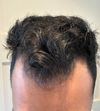
A user applied a homemade topical finasteride solution daily for 35 days, reducing hair shedding significantly with minimal side effects. They plan to continue for 90 days and will provide further updates.
The user shared two-month results using a topical spray with 0.3% finasteride, 7% minoxidil, 2.2% ketoconazole, and 0.2% biotin, showing improvement in hair loss. The user also mentioned using hair fibers previously and dermastamping inconsistently.
The user shared impressive three-month progress using topical Minoxidil and Finasteride, along with derma rolling and collagen supplements. They reported no side effects and detailed their routine, including specific concentrations of the treatments used.
The user has been using finasteride, minoxidil, and a derma stamp for 3 months with significant improvement. They are now adding ketoconazole to their routine.
User seeks non-finasteride hair loss treatments, suggests Eucapil, minoxidil, microneedling, keto shampoo, oral castor oil, and alfatradiol. Reply recommends vitamin D, zinc, pumpkin seed oil, saw palmetto, and high black tea intake, but emphasizes minoxidil and microneedling as most effective.
A user is experimenting with a DIY topical solution combining finasteride and minoxidil for hair loss, applying 0.5 mg of finasteride daily. Concerns include absorption issues, potential side effects, and product loss due to hair density, with some users suggesting oral intake for better results.
The user shared their one-year progress using finasteride, minoxidil, a dermastamp, and ketoconazole shampoo, noting stabilization but challenging regrowth in the temples. Another user discussed using a 1.5mm dermastamp daily with minoxidil for better results, but concerns about scarring were raised.
A user with seborrheic dermatitis and traction alopecia is seeking alternatives to minoxidil for hair loss, considering rosemary oil for its anti-inflammatory properties. They express concerns about potential side effects and effectiveness of various treatments, including rosemary oil, caffeine, and Redensyl.
The user reports improved hair condition after 6 months of oral finasteride and 3 months of topical minoxidil, using a q-tip for application, and incorporating Nizoral shampoo and weekly natural oil treatments. Commenters are impressed with the positive results on the user's hairline.
A 26-year-old is starting a hair loss treatment using 1mg oral finasteride daily, 5% topical minoxidil foam twice daily, 2% ketoconazole shampoo weekly, and microneedling once a week. They noticed worsening hair loss over the past year and are seeking advice.
The user has been taking a daily finasteride pill, applying minoxidil once a day, and using a dermaroller once a week for six months to treat hair loss, showing progress with their treatment. Some users discussed side effects like testicular discomfort with finasteride, which may subside over time.
A 23-year-old experienced significant hair regrowth in 3 months using a topical mixture of minoxidil 5% and finasteride 1%, with added bimatoprost. The treatment is government-subsidized, costing around $15, and the user reported no side effects.
Fluridil is available in Germany, but oral minoxidil and dutasteride are hard to obtain. Users discuss using treatments like Eucapil, RU58841, oral minoxidil, and clascoterone for hair loss, with concerns about side effects and effectiveness.
Breezula (clascoterone) initially performed better than finasteride for hair loss but then effectiveness decreased almost back to baseline after 6 months, raising questions about its strength.
A 17-year-old male experiencing significant hair loss is using a prescribed topical treatment containing Minoxidil, Tretinoin, Dutasteride, and Latanoprost. He expresses concerns about the potential side effects of Dutasteride and oral Finasteride, and seeks advice on whether to continue with the treatment or consider alternatives.
A 29-year-old male is using Minoxidil 5%, Finasteride 1mg, rosemary oil, and keto shampoo daily to combat male pattern baldness. He recently noticed baby hairs and stopped hairline recession, feeling optimistic about future progress.
A 29-year-old male shares his hair loss treatment progress using dutasteride, minoxidil, dermastamping, and ketoconazole shampoo, while discontinuing RU58841 due to side effects. He is hopeful for hair recovery to consider a hair transplant and discusses potential side effects and experiences with other users.
The user is struggling to obtain a finasteride prescription in France after moving there, despite previously using it alongside minoxidil, kz shampoo, and biotin supplements. They are advised to seek alternative doctors, consider telemedicine platforms, or explore topical finasteride options.
The user is discussing their hair loss treatment stack, which includes CB-03-01, Fluridil, Alfatradiol, Cosmerna, microneedling, and Stemoxydine. They have seen some new hair growth but wish they could use finasteride.
The post discusses a user's successful hair regrowth after 3 months using 1 mg oral finasteride, oral minoxidil, weekly 1.5mm derma rolling, and Nizoral shampoo every other day, with no side effects. The conversation includes various responses, questions about the user's ethnicity and previous scalp condition, and suggestions for topical treatments.
A 21-year-old man experienced positive hair regrowth results after using a homemade topical solution containing 0.030% finasteride and 5% minoxidil for four months. He reported no side effects with the Trichosol-based solution, unlike previous issues with alcohol-based formulas.
The conversation is about using topical saw palmetto for hair loss, with some users suggesting it is less effective than finasteride or dutasteride. The original poster is considering saw palmetto with dermarolling and specific shampoos, avoiding finasteride due to concerns about systemic effects.
The user experienced significant hair regrowth using a combination of oral minoxidil (5mg) and dutasteride (0.5mg) along with monthly mesotherapy injections. Despite the progress, the user plans to proceed with a hair transplant to address a receding hairline that hasn't fully responded to the treatment.
A 30-year-old man shares his positive experience with a topical solution containing 0.1% finasteride, 7.5% minoxidil, tretinoin, caffeine, and fluocinolone acetonide after experiencing side effects from oral finasteride and no results from 5% minoxidil. He reports noticeable hair growth in two months with minimal side effects, attributing success to the new topical combination.
The conversation discusses a product called Rexagain Mixprocapil, which includes topical finasteride. Users express skepticism about the product's legitimacy and caution about its use.
Psoriasis shampoo with salicylic acid can improve scalp health and hair quality better than Nizoral. It helps create a cleaner environment for hair growth, especially when using treatments like finasteride.
The user plans to switch to oral finasteride and oral minoxidil due to insufficient results from PRP, topical minoxidil, and mild DHT inhibitors. They seek advice on purchasing these medications from My.India, questioning its trustworthiness.
The conversation is about a person considering making their own topical finasteride to avoid side effects from oral use. They discuss potential methods and ingredients, including cayenne pepper extract, rosemary, and coconut oil, and seek advice on effectiveness and alternatives like light therapy or dermarolling.
The conversation discusses whether topical finasteride, dutasteride, or antiandrogens like RU58841 can reduce sebum overproduction as an early indicator of their effectiveness in treating hair loss. It suggests that while hair growth may take months to observe, a decrease in oiliness could be a quicker sign of a product's action.
The user shared their 6-month progress using Dutasteride .5 daily, RU 100mg once a day, and 15 mg oral Minoxidil for hair loss. They reported visible results, no side effects, and increased body hair, despite concerns from others about the high dosage and potential health risks.