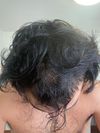
Exosomes are discussed as a new hair loss treatment, but skepticism is expressed about their effectiveness. Other treatments mentioned include Minoxidil, finasteride, and RU58841.
A 23-year-old is experiencing hair loss, primarily at the top middle of the head, and is considering finasteride but is hesitant due to potential side effects. Other users share their positive experiences with finasteride, suggesting it is worth trying, while also discussing the importance of researching and monitoring for any side effects.
A 19-year-old female with Diffuse Alopecia was advised by a dermatologist to use vitamin supplements, a hair serum, and antifungal drops, leading to some improvement. Other users suggested treatments like minoxidil, microneedling, and consulting a different dermatologist for further advice.
The user has been using finasteride and minoxidil for almost 2 years with maintenance but no significant regrowth. After adding tretinoin 2 weeks ago, they experienced increased shedding and are seeking advice on whether this is a positive sign.
The user is experiencing intense hair shedding all over the scalp after applying pyrilutamide to the hairline and taking oral castor oil. They are also using topical finasteride and latanoprost, but are unsure which treatment is causing the shedding.
SCUBE3 and Amplifica's progress in hair loss treatment is being discussed, with inquiries about their current status and clinical trials. No specific updates or new information are provided in the conversation.
The post is an update on the user's hair loss journey. They have a strong hair follicle that has remained unaffected by hair loss for almost 3 years. The user is starting finasteride and using ketoconazole, alfatradiol, and oral castor oil for hair maintenance.
HMI-115, a newly discovered hair loss treatment that could potentially be effective for those with diffuse thinning and telogen effluvium. It is based on prolactin receptor antagonist signaling and has already undergone Phase I trials in women, with potential commercialization by 2027.
A user experienced initial success with finasteride, noticing reduced hair fall and stronger hair, but later faced a heavy shedding phase. The shedding has since slowed, and they are seeking advice on what to do next.
The conversation is about a person's nearly 5-month progress using finasteride, minoxidil, some vitamins, and occasional microneedling to treat hair loss, with noticeable improvement in hair growth. They also mention not using creatine or performance-enhancing drugs.
A user is experiencing significant hair shedding after starting a treatment regimen of 1mg oral finasteride, 3mg oral minoxidil, 2.5mg biotin, and vitamins. Despite the shedding, they remain optimistic and plan to continue the treatment for a year before making any conclusions.
A 25-year-old male is using topical minoxidil and plans to start finasteride and a keratin supplement to combat hair loss. He will document his progress with photos and track any side effects.
A 20-year-old discusses family denial about his hair loss, diagnosed with seborrheic dermatitis, folliculitis, and male pattern baldness. He is prescribed Dutasteride and oral Minoxidil for treatment.
The user experienced significant hair regrowth using topical finasteride and minoxidil but faced a prolonged shedding phase, leading them to increase the finasteride dose and add oral dutasteride. Despite concerns about shedding, they remain hopeful for regrowth and are supplementing with Vitamin D.
A 33-year-old male is documenting his hair regrowth progress using minoxidil, red light therapy, copper peptides, and micro-needling, with noticeable improvement in hair thickness and coverage. He plans to add a topical finasteride/minoxidil spray and aims for a shadow on his scalp rather than a full head of hair.
Clascoterone (Breezula) showed positive results for treating hair loss without affecting cortisol levels. Opinions vary, with some users optimistic about its potential and others critical of its effectiveness compared to existing treatments like finasteride.
The user experienced significant hair growth with 1mg finasteride and 10% minoxidil but noticed increased shedding after switching to 5% minoxidil. The shedding might be part of the hair growth cycle, and it may take about a year to see full results.
A user started treating hair loss at 55 using 0.5 mg finasteride, 5% minoxidil every second day, and microneedling. They saw noticeable improvement, especially in the front and a previously smooth bald spot.
The user experienced no improvement in hair loss with finasteride and minoxidil but had side effects. They plan to add wounding, scalp massage, vitamin K, and taurine supplements to their regimen and seek feedback on these additions.
A user experienced significant hair regrowth after using 1mg of finasteride daily for a year, avoiding minoxidil due to its toxicity to cats. They attributed success to quitting smoking, a better diet, and reduced stress, with only watery semen as a side effect.
A 20-year-old is experiencing hair shedding two months after starting 2.5mg oral minoxidil and topical finasteride. They notice thinning in areas where finasteride is applied but also see new baby hairs growing.
A person is treating their hair loss with oral minoxidil (2.5mg), derma stamping, and dutasteride (0.5mg) for nearly a year but still feels their hair isn't dense enough to grow out. Commenters are generally supportive, noting progress and suggesting it may look denser than the person perceives.
A 47-year-old male experienced mixed results with hair loss treatments using finasteride and oral minoxidil. After reducing dosages and adding creatine, he noticed shedding, but switching back to higher doses and changing to pea protein may help regain progress.
The user is experiencing hair loss and is using finasteride while addressing low ferritin and copper levels. They are concerned about continued hair shedding and are advised to correct vitamin deficiencies and wait for finasteride results after 12 months.
The post and conversation discuss the link between DHT (a hormone), scalp itchiness, and hair loss. Some users share their experiences and treatments, including the use of fluconazole, corticosteroids, and ketoconazole shampoo, with one user suspecting minoxidil as a potential cause of their symptoms.
After stopping finasteride, the user retained hair without noticeable balding, suggesting an unusual reaction to the medication. The user initially experienced rapid hair loss and itchiness, possibly due to male pattern baldness, but maintained hair stability after tapering off finasteride.
The user has been treating hair loss since age 17, now 29, using a daily regimen of topical Minoxidil/Finasteride, Pyrilutamide, Minoxidil, and weekly microneedling. They chose a low dose of Finasteride due to past side effects and report that Pyrilutamide has stopped hair shedding and they believe there is some regrowth and increased thickness.
Exosomes are not effective for long-term hair regrowth, with users reporting temporary improvements or no noticeable change. Effective treatments include Dutasteride, Finasteride, Minoxidil, and RU58841, with other options like CB-03-01 and Fluridil offering limited benefits.
Increased Malassezia and Cutibacterium in the scalp microbiome are linked to higher sebum production and inflammation in androgenetic alopecia (AGA). Treatments include ciclopirox shampoo, benzoyl peroxide shampoo, clobetasol propionate, calcipotriol, minoxidil, finasteride, and dutasteride.