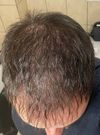
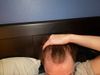
The user experiences an itchy scalp and finds relief using shampoo and Zyrtec, which helps with inflammation. They are unsure if the issue is related to histamines or seborrheicdermatitis.
A user asked if olive oil can replace propylene glycol or glycerin in topical finasteride preparation. Another user advised against it, suggesting MCT oil instead due to olive oil's potential to worsen dandruff and seborrheicdermatitis.
A 25-year-old man had a 3500 graft hair transplant on the frontal region and is happy with the results after 8 months. He has been on minoxidil and finasteride, switched to dutasteride, added ketoconazole shampoo for seborrheicdermatitis, and is considering a second transplant for the mid scalp/crown.
Switching from 2% liquid minoxidil to 5% foam minoxidil reduced scalp irritation but increased eyebrow flakiness and thinning. The user speculates that propylene glycol in the liquid formulation might have been protecting against seborrheicdermatitis while causing contact dermatitis.
Using 2% ketoconazole shampoo reduced hair shedding significantly, while 1% did not. The user wonders if hair loss was due to seborrheicdermatitis and if stopping workouts also affected this.
The user is experiencing hair loss despite using dutasteride, minoxidil, and ketoconazole shampoo, and is concerned about continued shedding. Suggestions include checking for nutrient deficiencies, consulting a dermatologist, and considering other potential causes like seborrheicdermatitis or telogen effluvium.
A 24-year-old male started using finasteride, minoxidil, biotin, and vitamin D for hair loss but noticed worsening thinning and white patches on his temples. He seeks advice on improving his regimen, which includes topical minoxidil and a shampoo for seborrheicdermatitis.
A 22-year-old male experiencing diffuse thinning and frizzy hair has been using finasteride for nine months and is seeking advice on improving hair quality. Suggestions include using conditioners, biotin, rosemary oil, and addressing scalp conditions like seborrheicdermatitis or psoriasis, while finasteride may help reverse miniaturization and improve hair health.
A user experienced severe scalp itching with MPB and found Nizoral ineffective. A doctor diagnosed seborrheic eczema and prescribed Betacap, which relieved the itching.
The conversation is about managing an itchy, flaky scalp, possibly due to psoriasis, and the use of a hydrating conditioner to address dryness. The user is concerned about using conditioner due to experiencing telogen effluvium.
The user is exploring alternatives to finasteride and dutasteride due to concerns about side effects, and is using rosemary and jojoba oil, ketoconazole, minoxidil, microneedling, multi-peptide serum, saw palmetto, and stinging nettle for hair loss. They are also considering CB 03 01 and spironolactone.
The user experienced hair thinning despite using finasteride and switched to a ketoconazole shampoo without sulfates to address scalp itching and dandruff. They hope this will stop further hair thinning.
The user is experiencing improvement in hair density using a topical lotion containing minoxidil, finasteride, ketoconazole, and other ingredients. They are hopeful for further progress in the coming months.
Minoxidil users can safely use salicylic acid shampoo to manage scalp pimples and dandruff. Nizoral is also recommended for hair gain and treating scalp pimples.
A 20-year-old experiencing hair thinning for over two years cannot use finasteride due to side effects. Alternatives suggested include minoxidil, dermarolling, topical dutasteride, and ketoconazole shampoo for scalp issues.
Animajax, who started off completely bald, has seen hair regrowth using finasteride 1.25mg, oral minoxidil 2.5mg, occasional topical minoxidil, dermastamping, benzoyl peroxide, and tretinoin. They recently added nizoral and plan to switch to a topical solution combining minoxidil and dutasteride.
A user is using a trichosol-based minoxidil solution to avoid scalp irritation and is asking if it should smell like ginger beer. They like the scent and want to confirm they have the correct product.
A user shared their positive experience with Laq herbal shampoo and Sevich Batana oil for hair loss due to PCOS and an unbalanced diet. They noticed significant improvement after three weeks of using these products.
Nanoxidil is discussed as a potential alternative to Minoxidil for hair loss, with some users reporting better results and improved hair strength. However, concerns about its lack of FDA approval and potential scalp dryness are noted.
User is concerned about starting minoxidil due to potential effects on collagen production and skin aging. They have been using finasteride for almost 2 months.
Minoxidil can cause scalp flaking and dryness, often due to its alcohol content. Switching to foam minoxidil or using antifungal shampoos like Ketoconazole may help reduce these side effects.
A 43-year-old experienced hair loss and used Finasteride successfully for 18 years before switching to Dutasteride due to renewed thinning. After 6 months on Dutasteride, they experienced itching and increased hair loss, leading to concerns about prolonged shedding and considering switching back to Finasteride.
After taking finasteride for 192 days, the user experienced side effects like depressed mood and decreased libido, along with worsening hair thinning and scalp issues. Despite consulting a dermatologist, the user's hair condition and scalp itchiness have not improved.
The user has been using Dutasteride, Oral Minoxidil, and Nizoral shampoo for hair loss but still experiences shedding and a thinning hairline. Suggestions include stopping Nizoral, considering finasteride, and addressing scalp health issues like dandruff.
A 19-year-old is using 5% topical minoxidil and 1mg oral finasteride daily for hair growth, showing progress after 4 months. Users suggest adding ketoconazole shampoo to address scalp inflammation and dandruff.
An 18-year-old with diffuse hair thinning is considering switching from a topical Minoxidil 10% + Finasteride 0.1% solution to Minoxidil 5% foam and oral Finasteride 0.5mg, while also addressing vitamin D deficiency and potential scalp inflammation. Users suggest using Nizoral shampoo for inflammation, considering dutasteride for better results, and maintaining vitamin D levels to protect hair follicles from DHT.
Finasteride reduced dandruff and scalp oiliness by lowering DHT, which decreases sebum production. Users also noted improvements with Nizoral and dutasteride.
Using ketoconazole shampoo daily can dry out hair, and most users recommend using it 1-2 times a week with conditioner. Some users combine it with minoxidil and finasteride for better hair growth results.
The user is experiencing hair loss without a family history and suspects stress or telogen effluvium (TE) as the cause, despite using finasteride without results. Others suggest stress, vitamin deficiencies, or other conditions could be factors, and some mention that balding can occur without a family history.