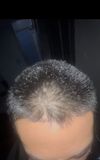
User experiencing hair loss on dutasteride; others suggest shedding is normal and to track progress with pictures. Some mention using RU58841 for improvement.
User experienced significant hair regrowth after 4 months using Dutasteride, Minoxidil, castor oil, rosemary spray, Ketoconazole, and microneedling. Others praised the impressive results and attributed them mainly to Dutasteride.
Hair loss treatment with Finasteride, Ketoconazole, Microneedling, Biotin, and Vitamin E shows progress. Users agree hairline improved and suggest continuing treatment.
The conversation discusses the importance of taking vitamin D with food for better absorption and its potential role in hair loss. Some users also suggest taking vitamin D with K2, getting sunlight, and using finasteride for hair loss treatment.
A user who underwent a hair transplant in Istanbul to reduce balding, and the discussion of various treatments such as finasteride and growth hormone for preventing further hair loss.
A 23-year-old has been using 0.5mg Dutasteride and 5mg oral Minoxidil daily for two years, but their hair has thinned considerably. Suggestions include increasing the Dutasteride dose, adding Finasteride, or considering a hair transplant.
The conversation discusses treatments for androgenetic alopecia, focusing on evidence-based supplements to complement finasteride. Suggestions include oral minoxidil, saw palmetto, pumpkin seed oil, tocotrienols, and various other supplements, while emphasizing the importance of scientific backing and cautioning against saw palmetto if already using finasteride.
User Salty-Peace-577 experienced hair regrowth after 3 months on 0.5mg oral Finasteride and 2.5mg oral Minoxidil. Others in the conversation expressed surprise at the quick results and discussed the effects of these treatments.
A user's experience with microneedling monotherapy and potential treatments such as finasteride, minoxidil, Stemoxydine, rosemary oil, peppermint oil, and RU58841 for reversing hair loss.
A user reversed severe hair loss with dieting, lifestyle changes, and topical minoxidil, highlighting reduced inflammation and body fat. The conversation debates finasteride's effectiveness and the impact of diet and lifestyle on hair health.
Hair loss theory involves 3alpha-hydroxysteroid reductase (3AHD) converting DHT to androstenol. Discussion explores potential treatments and encourages more research.
Winlevi (clascoterone) is discussed as a treatment for hormonal acne and seborrheic dermatitis due to its ability to block DHT and regulate sebum production. The post suggests that Winlevi could offer a novel approach for managing seborrheic dermatitis.
The user is managing hair loss with oral finasteride, recently switching to dutasteride, and topical minoxidil, but faces challenges due to seborrheic dermatitis. They seek advice on effective regrowth methods that don't worsen their condition, with suggestions including various shampoos like Vichy Dercos and ketoconazole.
A 22-year-old male experiencing hair thinning and loss, possibly due to seborrheic dermatitis or low vitamin D, is cautious about using minoxidil or finasteride due to heart palpitations and high blood pressure. Suggestions include using ketoconazole shampoo to control inflammation and focusing on treating the dermatitis first.
The user is experiencing hair loss and is using Minoxidil once a day. They suspect Vitamin D deficiency and Seborrheic Dermatitis might be contributing factors.
Tretinoin can irritate seborrheic dermatitis, but using it with a moisturizer on calm skin may help. Parallel Health's skin microbiome testing and phage therapy are suggested for persistent issues.
A user with seborrheic dermatitis uses Ketoconazole 2% and Betamethasone and is considering starting Minoxidil for thinning hair. They are concerned about using Minoxidil and Betamethasone simultaneously.
The conversation is about managing seborrheic dermatitis and hair loss using treatments like Nizoral, Kelual DS, KPL, and MCT oil daily. The user is concerned about the effectiveness and safety of using MCT oil every day.
A 19-year-old is experiencing worsening hair loss and severe seborrheic dermatitis despite using finasteride for six months. Nizoral (ketoconazole) is no longer effective, and they are seeking over-the-counter solutions and advice for an upcoming dermatologist visit.
The user is experiencing flaking and shedding while using oral finasteride and minoxidil, which might be seborrheic dermatitis. A suggestion was made to try ketoconazole shampoo or cream and consider CBD with MCT oil, as shedding is common when starting these treatments.
The user experienced hair improvement using 1mg finasteride daily for six months, managing seborrheic dermatitis with rosemary and eucalyptus oil. They are considering switching to dutasteride for potentially better results.
The user experienced significant hair improvement with minoxidil and finasteride but later faced shedding and diffused thinning after developing seborrheic dermatitis. They are seeking advice after trying treatments like ketoconazole, coal tar shampoos, fluconazole, and hydrocortisone cream.
A user is experiencing severe hair loss, diagnosed with seborrheic dermatitis, and is using Ketoconazole and beclomethasone. They are concerned about potential female pattern baldness and are seeking reassurance and advice.
The conversation discusses whether using 0.1% topical finasteride alongside 0.5 mg oral finasteride is excessive, with suggestions to choose either oral or topical treatment. The user also uses 5% minoxidil and mentions concerns about alcohol-based solutions due to seborrheic dermatitis.
The user is exploring hair loss treatments in China, currently using finasteride and minoxidil, and is concerned about seborrheic dermatitis. Clinics are recommending selenium sulfide, doxycycline, and mesotherapy ampoules like PT88/PT66 or SP88/SP66, but the user is unsure about their effectiveness.
The user has been using 3mg oral Minoxidil and 1.1mg oral Finasteride for 15 months and plans to switch to 5mg oral Minoxidil, 1.1mg oral Finasteride, and 0.1mg oral Dutasteride. They have also used ketoconazole and salicylic acid shampoo for seborrheic dermatitis and hope to see more hair growth with the increased dosage.
The conversation discusses the application of RU58841 for hair loss, with the user applying 1.75 mg at 5% concentration for half an hour daily. The user mentions managing seborrheic dermatitis while using this treatment.
The user has been taking 1.25mg finasteride daily for 11 months and recently added a generic version due to increased shedding. They also use keto shampoo twice a week, which has reduced seborrheic dermatitis but not the itching or shedding.
The user has been using minoxidil and finasteride for hair loss without positive results and switched to dutasteride 1.5 months ago. They suspect seborrheic dermatitis might be affecting the effectiveness of these treatments.