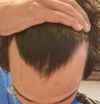
Scalp inflammation can cause hair thinning and may be related to diet, infections, or conditions like psoriasis. Treatments suggested include using Nizoral shampoo and checking vitamin levels.
Minoxidil can cause scalp flaking and dryness, often due to its alcohol content. Switching to foam minoxidil or using antifungal shampoos like Ketoconazole may help reduce these side effects.
The conversation is about hair loss and treatments, with suggestions to use finasteride or dutasteride as DHT blockers and minoxidil for regrowth. Oils and shampoos are considered ineffective for androgenic alopecia without these medications.
A user discusses their experience with hair loss and treatments, including minoxidil, micro needling, rosemary oil, dietary supplements, and topical finasteride (Morr-F). They emphasize the impact of lifestyle on hair health and express hope for improvement with the new treatment.
The conversation is about an 18-year-old transgender individual seeking advice on discussing hair loss treatments, specifically Minoxidil and finasteride, with a dermatologist. They are preparing for an upcoming appointment to address hair loss concerns.
Shampoos marketed for hair loss may not effectively prevent it, as they often focus on improving hair appearance rather than addressing underlying causes like androgenetic alopecia. Effective hair loss treatment typically requires DHT blockers like finasteride.
A 43-year-old experienced hair loss and used Finasteride successfully for 18 years before switching to Dutasteride due to renewed thinning. After 6 months on Dutasteride, they experienced itching and increased hair loss, leading to concerns about prolonged shedding and considering switching back to Finasteride.
Poor gut health may contribute to hair loss and scalp inflammation, with treatments like finasteride, minoxidil, and Nizoral being used. Improving gut health and addressing inflammation might help alleviate symptoms.
A user experienced positive hair growth results using 5% topical minoxidil for a year and 1 mg finasteride for four months but is considering stopping finasteride due to persistent side effects like libido loss. Others in the conversation discuss similar experiences, suggest trying topical finasteride to reduce side effects, and emphasize the importance of overall health and lifestyle.
After taking finasteride for 192 days, the user experienced side effects like depressed mood and decreased libido, along with worsening hair thinning and scalp issues. Despite consulting a dermatologist, the user's hair condition and scalp itchiness have not improved.
The user has been using Dutasteride, Minoxidil, Ketoconazole, and RU58841 for hair loss but sees subpar results. Suggestions include adjusting treatments, considering a hair transplant, and addressing scalp inflammation.
The user tried finasteride and oral minoxidil for hair loss but stopped due to concerns about side effects. They also stopped using shampoo, which may have affected their hair loss.
The user has been using Dutasteride, Oral Minoxidil, and Nizoral shampoo for hair loss but still experiences shedding and a thinning hairline. Suggestions include stopping Nizoral, considering finasteride, and addressing scalp health issues like dandruff.
The user is experiencing an itchy scalp after six months of using dutasteride and minoxidil, suspecting dutasteride as the cause. They are seeking advice on how to alleviate the itch without stopping the treatment.
A 26-year-old is experiencing hair thinning and has received conflicting diagnoses of androgenetic alopecia and telogen effluvium. They are considering treatments like dutasteride, oral and topical minoxidil, and are unsure whether to start treatment or pursue further diagnosis like a scalp biopsy.
A 19-year-old is using 5% topical minoxidil and 1mg oral finasteride daily for hair growth, showing progress after 4 months. Users suggest adding ketoconazole shampoo to address scalp inflammation and dandruff.
A 19-year-old is experiencing hair thinning and recession above the temples, causing stress and consideration of starting finasteride despite financial constraints. They are unsure whether to begin treatment immediately or wait to assess the situation further.
Adding RU58841 to a regimen of 2.5 mg dutasteride and 5 mg oral minoxidil for potential hair regrowth. Some users suggest a biopsy to determine the cause of hair loss, while others discuss the effectiveness and side effects of various treatments.
An 18-year-old with diffuse hair thinning is considering switching from a topical Minoxidil 10% + Finasteride 0.1% solution to Minoxidil 5% foam and oral Finasteride 0.5mg, while also addressing vitamin D deficiency and potential scalp inflammation. Users suggest using Nizoral shampoo for inflammation, considering dutasteride for better results, and maintaining vitamin D levels to protect hair follicles from DHT.
Hair loss requires proper diagnosis as it can have various causes, and treatments like finasteride, minoxidil, and dutasteride are often used. Many people express frustration with dermatologists and turn to self-research and alternative sources for treatment.
Finasteride reduced dandruff and scalp oiliness by lowering DHT, which decreases sebum production. Users also noted improvements with Nizoral and dutasteride.
Microneedling is more effective when combined with minoxidil, especially for temple regrowth, but is considered near-useless on its own. Users suggest combining microneedling with oral minoxidil and dutasteride for better results, while some caution against potential scalp damage.
A 36-year-old man with androgenetic alopecia suspects copper and zinc deficiencies may be accelerating hair loss and is supplementing copper to address this. He is also monitoring blood sugar levels due to previous prediabetes concerns and plans to test for insulin resistance.
The user is experiencing hair loss without a family history and suspects stress or telogen effluvium (TE) as the cause, despite using finasteride without results. Others suggest stress, vitamin deficiencies, or other conditions could be factors, and some mention that balding can occur without a family history.
The user shared their positive experience with hair regrowth using oral finasteride and minoxidil, noting significant progress after nine months despite initial doubts and side effects. They emphasized the importance of patience, consistent treatment, and lifestyle changes like reducing stress and improving health.
The user is experiencing hair regrowth after three months using minoxidil, 1.25mg finasteride, ketoconazole cream, and a 1.5mm derma roller. They are considering reducing their finasteride dose due to decreased libido.
White spots on a bald scalp, likely tinea versicolor, can be treated with ketoconazole or selenium sulfide shampoos like Selsun Blue. Consulting a dermatologist is recommended for proper diagnosis and treatment.
A user was prescribed a topical treatment for hair loss including Latanoprost, Minoxidil, Dutasteride, Hydrocortisone, and Progesterone, after using an oral Minoxidil and Finasteride combo without significant results. Concerns were raised about the long-term use of hydrocortisone, with suggestions to consult a doctor regularly.
A 19-year-old using finasteride for hair loss seeks advice on additional treatments. Suggestions include microneedling, minoxidil, and ketoconazole shampoo, with concerns about side effects discussed.
The conversation covers aggressive hair regrowth treatments like Dutasteride, Minoxidil (oral and topical), RU58841, microneedling, and ketoconazole shampoo. It also mentions PRP, laser therapy, GHK-Cu injections, and hormone therapy for maximum regrowth.