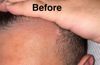
The conversation discusses the effectiveness of topical Rapamycin for hair regrowth and color restoration. Specific treatments mentioned are Minoxidil, Finasteride, and RU58841.
The conversation discusses progress with a hair loss treatment regimen that includes once daily topical Finasteride, Pyrilutamide, and WAY-316606. Specific treatments for hair loss are being shared and discussed.
The user achieved significant hair regrowth using oral and topical minoxidil, finasteride, microneedling, ashwagandha, and amla powder. They experienced some side effects like low libido from finasteride but reported no major issues with minoxidil.
A new study that found a single chemical could potentially be responsible for hair loss, and the potential to use this discovery to stimulate hairgrowth. The conversation also includes various treatments such as Minoxidil, Finasteride, RU58841, microneedling, DUT, and Botox for hair loss.
The user has not seen significant progress in hairgrowth using topical minoxidil, finasteride, and biotin shampoo over a year. Suggestions include switching to dutasteride, adding microneedling, and considering other treatments like scalp massages and blood tests.
Topical melatonin was found to significantly increase hair density and decrease scalp conditions like seborrheic dermatitis. The user is considering using it alongside finasteride and oral minoxidil for treating hair loss and scalp health.
A hair loss treatment plan includes finasteride, dutasteride, RU58841, pyrilutamide, minoxidil, and microneedling to inhibit DHT and promote hairgrowth. It also recommends supplements like Reishi and Lion’s Mane mushrooms, and a shampoo with ketoconazole, caffeine, and melatonin.
The user successfully regrew hair using 1.2mg finasteride and 3mg minoxidil daily, without a hair transplant. They experienced significant improvement over 14 months, leading to positive changes in their appearance and confidence.
The user is using a hair loss treatment regimen including Avodart (dutasteride), oral minoxidil, LLLT caps, vitamins, and ketoconazole shampoo, and is considering adding dermarolling and RU58841. They are experiencing unwanted body hairgrowth from minoxidil and are planning for a future hair transplant.
The user is using a regimen of 1mg Dutasteride daily, topical finasteride and minoxidil, multivitamins, and supplements to address hair loss but hasn't seen improvement. Suggestions include sticking to one medication, considering oral minoxidil, and possibly a hair transplant, while noting that some treatments may not regrow hair.
The user's hair loss treatment routine includes applying Minoxidil twice daily, taking 1mg of Finasteride and 10,000 biotin pills daily, using a Dermaroller weekly, and washing with Keto shampoo weekly. After three months of this regimen, the user has noticed some progress.
A 25-year-old male shared his successful hair regrowth journey using oral minoxidil, topical minoxidil, finasteride, and dutasteride. He experienced initial regrowth, a shedding phase, and then improved hair density, advising others not to panic during shedding and to act early on hair loss.
A user successfully regrew hair using 1mg Finasteride daily, 5% topical Minoxidil 1-2 times a day, and weekly derma stamping, with no side effects. Others shared their hair loss struggles and interest in these treatments.
The user experienced significant hair regrowth using a regimen of 1 mg finasteride daily, minoxidil twice daily, ketoconazole shampoo weekly, dermastamping weekly, and tretinoin. They reported no side effects and emphasized the importance of committing to the treatment.
The user shared progress on hair loss treatment between September and November using oral finasteride, topical minoxidil, dermarolling, a LaserComb, caffeine shampoo, Nizoral, scalp massages, and both oral and topical biotin. The conversation discusses the effectiveness of these treatments.
A 40+ year-old male is experiencing tiny new hairgrowth after 2 months using topical Minoxidil, 0.5 Finasteride, red light therapy, derma rolling, Biotin, Vitamin D, and Fish oil. Another user advises waiting 6 months to a year for noticeable regrowth, noting that medications mainly maintain hair.
Topical minoxidil and oral finasteride can effectively improve hairgrowth and slow hair loss, though results may vary. Consistency is important for achieving significant improvement.
The user is cautiously optimistic about their hair regrowth after 6 months of using minoxidil, finasteride, tazarotene, microneedling, ketoconazole shampoo, and rosemary oil. They report healthier hair and new growth, with side effects from minoxidil subsiding over time.
Deoxyribose sugar gel may stimulate hair regrowth similarly to minoxidil by enhancing blood supply and follicle activity. Human trials are necessary, and current products have mixed results.
A quercetin-encapsulated and polydopamine-integrated nanosystem (PDA@QLipo) shows promise for treating androgenetic alopecia by reshaping the perifollicular microenvironment, outperforming minoxidil in hair regeneration. The nanosystem promotes cell proliferation, hair follicle renewal, and recovery by scavenging reactive oxygen species and enhancing neovascularity.
A 29-year-old male shares his 3-month hair regrowth progress using finasteride, minoxidil, and microneedling, reporting no side effects and light initial shedding. He is encouraged by the results and plans to continue the treatment.
A 25-year-old man with mild hair loss is using a topical finasteride treatment, biotin and ajuga reptans supplements, ketoconazole shampoo, and microneedling for hairgrowth. Due to a heart condition, he can't use minoxidil and is seeking alternative hairgrowth treatments, considering both medicinal and natural remedies like rosemary oil.
A user shared their hair regrowth progress after using topical minoxidil and finasteride for two and a half months, reporting significant improvement with minimal side effects. The user applies finasteride daily and minoxidil twice a day, noting changes in hair thickness and reduced shedding, particularly in the crown and front areas.
The user experienced reduced hair fall with topical minoxidil and finasteride but no regrowth, and faced hormonal issues with oral finasteride. They are considering a hair transplant and exploring treatments like topical dutasteride, oral minoxidil, microneedling, and hair supplements.
A user experienced extreme hairgrowth on their hairline and temples using natural remedies like onion juice, nail rubbing, more veggies and fruits, less carbs, jojoba oil, and dermarolling. They did not use Minoxidil, finasteride, or any prescription drugs.
GT-20029 is discussed as a potential hair loss treatment, with concerns about its safety and systemic absorption compared to finasteride. Users express skepticism about its effectiveness and safety, noting that it may not surpass existing treatments like finasteride and minoxidil.
PP405 shows potential for hairgrowth by increasing terminal hair and converting vellus hairs, but results are modest and more waiting is needed. It complements existing treatments like minoxidil and finasteride, but won't replace them.
The user experienced hair regrowth and reduced shedding using saw palmetto, biotin, minoxidil, fish oil, and Nizoral, but hair loss resumed after discontinuing the regimen. They are considering reintroducing the regimen and possibly trying finasteride.