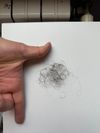
A 29-year-old male experienced significant hair density loss in 18 days despite using Finasteride and Minoxidil consistently for years. He suspects the change in brands or other factors like shedding or androgenetic alopecia might be responsible and is seeking advice.
A 21-year-old male experiencing severe hair shedding despite using 1mg finasteride, 2.5mg oral minoxidil, and saw palmetto with pumpkin seed oil. He is seeking advice on whether this shedding is normal and if he should consider other treatments like dutasteride or RU58841.
The user is experiencing continued hair loss despite using finasteride, dutasteride, and minoxidil, and is advised to improve diet, check for deficiencies, and consider other treatments like microneedling. Suggestions include sticking with the current regimen, considering a hair transplant, or accepting hair loss and shaving.
The post discusses a user's successful hair recovery using minoxidil, finasteride, and hormone replacement therapy (HRT) with cyproterone acetate and estradiol. The user experienced significant improvement in hair density and hairline recovery.
A 20-year-old saw significant hair regrowth after 9 months of using DHT blockers (finasteride and dutasteride) and 6 months of hormone replacement therapy (HRT) with estradiol. The regrowth is attributed to low testosterone and high estradiol levels, without using Minoxidil.
A 41-year-old South Asian individual feels hopeless about hair loss and cannot use oral finasteride or dutasteride due to existing gynecomastia. They are seeking advice on alternative treatments.
A user has been taking Finasteride for hair loss for 10 months with no results and is considering whether it's due to seasonal shedding or the medication not working. Other users suggest that the dosage might be too low, that some people don't respond to Finasteride, and recommend trying Minoxidil or Dutasteride.
An 18-year-old experiencing mild hair thinning is prescribed ketoconazole shampoo, clobetasol, and a solution with minoxidil, finasteride, and tretinoin. They are hesitant to start finasteride due to concerns about systemic absorption and its impact on facial hair development.
A 19-year-old has been using finasteride, minoxidil, and microneedling to treat hair loss with no regrowth, feeling mentally affected by it. Advice given includes continuing treatment, considering a hair transplant, addressing potential vitamin deficiencies, and possibly switching to dutasteride or adding ketoconazole shampoo.
OP is using 5% minoxidil and a foligain supplement for hair loss, with blood test results showing high cortisol levels. OP is considering starting finasteride, while another user shares their experience with finasteride and hair loss challenges due to malabsorption issues.
The user is experiencing hair regrowth with oral minoxidil and dutasteride but still has fragile hairs that easily pluck out from the front center. Despite improvements, the user is concerned about the persistent fragility and shedding of these hairs.
A user shared their 14-month progress using Pyrilutamide and Minoxidil for hair loss, noting improvement and no side effects with these treatments, unlike their negative experiences with Finasteride and RU58841. They emphasized the importance of consistent application for seeing results.
User shared progress pictures after 9 months of using minoxidil, finasteride, spironolactone, and estradiol for hair loss. Significant regrowth was noted, especially after starting estradiol.
A 16-year-old has been using Minoxidil for a year, which initially worked but is now less effective as hair loss continues. They are concerned about ongoing hair loss and are unable to use finasteride.
The user is experiencing significant hair loss and has tried treatments like PRP therapy, topical and oral Minoxidil, Finasteride, and dietary changes, with limited success. They are concerned about losing more hair before a scheduled hair transplant and are advised to postpone the transplant to allow medications more time to work.
A user experienced androgenic alopecia starting at the vertex without frontal hairline recession and is seeking information on this pattern. Another user noted that vertex or diffuse hair loss is common among men.
The user shared 11 months of progress using oral finasteride and minoxidil for hair regrowth, reporting no side effects. Feedback from others noted improved hair thickness and health.
The user has been using oral minoxidil for 4 years and durum wheat 3 days a week for 7 months, but is experiencing increased hair loss when washing hair. They suspect it might be due to decreased DHT levels and are seeking similar experiences from others.
A man stopped taking finasteride, a hair loss treatment, to improve his fertility. His sperm count and motility increased after stopping the medication, but sperm shape did not change.
A user reported no improvement in hair loss after nearly a year of using 1mg oral finasteride, topical minoxidil twice daily, and weekly microneedling. Other users suggested the possibility of DUPA or retrograde alopecia and mentioned that treatments might only slow down hair loss rather than regrow hair.
Early hair loss causes emotional distress, and common coping strategies like fitness and fashion are inadequate. Treatments like finasteride, minoxidil, dutasteride, hair systems, and scalp micropigmentation were tried but were unsatisfactory.
Topical melatonin may help reduce hair loss and increase hair thickness in people with androgenetic alopecia (AGA), with some studies showing positive results. It can be mixed with minoxidil for application, and its effectiveness might be enhanced when used with micro-needling, but results may vary among individuals.
The user has been using finasteride for 18 months and minoxidil for 3 months to address hair loss, experiencing increased shedding and questioning the effectiveness of these treatments. They also tried rosemary oil with minimal results and are seeking advice on whether the shedding is normal and if minoxidil is effective.
The user tried oral minoxidil and dutasteride for hair loss after topical treatments failed, but with limited success. They suggest considering a hair system (toupee) as a more cost-effective and less complicated alternative to extensive non-regulated treatments.
An 18/19-year-old male started balding at 16 and initially saw hair growth with minoxidil, but results diminished over time. He switched dermatologists and is now using a regimen of topical finasteride, minoxidil, vitamin D, and supplements, hoping for better results.
A 21-year-old male has been experiencing persistent hair loss despite using treatments like dutasteride, finasteride, RU58841, minoxidil, and ketoconazole. Suggestions include checking for hormonal issues, nutritional deficiencies, or allergies, and consulting a doctor for professional advice.
8 months post hair transplant, OP experiences asymmetrical shedding despite using finasteride and starting minoxidil. The doctor suggests it might correct itself or be due to transplant trauma, recommending a wait-and-see approach.