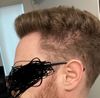
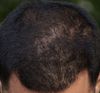
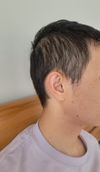
A 34-year-old male is experiencing hair loss on the sides of his head, with inflammation and itchiness, while the top remains thick. He is using topical dutasteride and keto shampoo to address the issue.
The conversation discusses a new model for understanding androgenetic alopecia (AGA), linking it to dietary and lifestyle factors similar to PCOS, and highlighting the role of DHT, vascular damage, and inflammation. Treatments mentioned include Minoxidil, finasteride, and RU58841.
The user experienced initial hair density improvement with finasteride, but later felt scalp pain and a plateau in results. They added alfatradiol for scalp inflammation and divi scalp serum to their routine, and are curious if others have similar experiences.
A user shared their hair restoration journey using oral and topical finasteride, experiencing side effects with the former. They later switched to microneedling, scalp massages, and vitamins (D3, Zinc, Biotin, B complex, Vitamin E) with mixed feedback on progress.
A user shared their experience with hair recovery after a second shedding phase while using Finasteride. They advise staying consistent with treatment, as it can take 1-2 years or more to see results, and also mention using Ketoconazole but are unsure of its effectiveness.
User noticed beard and sideburn hair loss, and thinning eyebrows, diagnosed with alopecia barbae and male pattern baldness, and prescribed Desonide cream. User seeks feedback on Desonide cream.
A user shared a 12-month update on their hair transplant, which involved 5700 DHI grafts and cost £4500 at Cosmedica. They also dyed their hair and beard, and users praised the impressive results, suggesting finasteride or dutasteride to prevent further hair loss.
The user is experiencing one-sided diffuse thinning and has been using finasteride and liquid minoxidil for 4-5 years with minimal results. They are considering whether to save for a hair transplant or address scalp sensitivity and irritation first.
The post discusses a hair loss treatment regimen including oral finasteride, topical minoxidil, a rejuvenating scalp serum with caffeine, rosemary, and ginger, topical ketoconazole, saw palmetto, and derma rolling. The user seeks advice for scalp pimples and irritation.
The user had a hair transplant 10 months ago and sees some improvement but still has thin spots. They previously used finasteride pills and now use a topical solution of minoxidil, dutasteride, and tretinoin.
A 20-year-old experiencing hair loss since age 16 is using finasteride and minoxidil and is considering future hair transplants. Discussions include the potential for multiple transplants, the use of body hair for coverage, and the importance of treatments like dutasteride and scalp micropigmentation for maintaining hair density.
The user experienced increased hair loss and scalp itchiness despite using finasteride and plans to resume minoxidil and start microneedling. They are considering using clay, Aveda thickening tonic, and a beanie to manage the appearance of thinning hair.
The conversation is about a person experiencing treatment-resistant androgenic alopecia despite using high doses of dutasteride and minoxidil, along with other treatments like microneedling and purilutamide. Suggestions include considering a hair transplant, checking medication authenticity, and exploring other treatments like RU58841 or topical estradiol.
The user experienced heavy shedding 10 months after a hair transplant and used a topical solution of Minoxidil and Finasteride, later switching to Finoduta. They also dealt with a dry scalp and greasy hair, using various shampoos and conditioners, and sought advice on whether the shedding was normal and how to manage the dry scalp.
The user is experiencing a strange hair loss pattern despite using dutasteride for 3 years and minoxidil with tretinoin for 1.5 years. They recently added microneedling and are considering a scalp biopsy to understand the cause.
A user is interested in seeing scalp tattoos as a response to hair loss, specifically looking for creative designs rather than scalp micropigmentation. They are considering this approach for their own Norwood 5 hair loss situation.
The user experienced significant hair regrowth with topical finasteride, minoxidil, ketoconazole, and dermarolling, but later faced severe hair shedding after stopping dermarolling and reducing ketoconazole use. Suggestions included switching to oral treatments, resuming dermarolling, and considering lifestyle changes.
A user with scalp psoriasis and hair loss is hesitant to use topical minoxidil and finasteride due to concerns about psoriasis and potential side effects. They are considering alternatives like pumpkin seed and saw palmetto.
The user has been treating their hair loss with oral Minoxidil, Dutasteride twice a week, daily head massages, a mix of essential oils, and one round of Scalp Micropigmentation (SMP). They stopped micro-needling due to hair loss, and are seeking advice on their progress, with responses suggesting continued treatment, potential hair transplant, and resuming micro-needling.
A user with long-term hair loss has been using topical minoxidil, finasteride, RU58841, ketoconazole, and dermastamping for 8 months. They are unsure if the new hairs are miniaturized or vellus.
Scalp massaging for hair loss hasn't shown significant changes yet, but the scalp is more flexible. Combining treatments like minoxidil, tretinoin, dutasteride, inversion, microneedling, and a good diet might enhance results.
Topical spironolactone is discussed as a potential treatment for androgenic alopecia, with the user seeking feedback on its effectiveness. Minoxidil, finasteride, and other treatments like microneedling and keto shampoo are mentioned as alternatives.
User tried topical fin, dut, min, tret, hydrocortisone, microneedling, nizoral, collagen, propidren supplements, and laser helmet for hair loss with slow progress. They ask if topical spironolactone is a safer, effective alternative to RU for suppressing testosterone and treating hair loss in men.
The user is experiencing excessive hair thinning and is unsure of the cause. They are seeking opinions on treatments like Minoxidil, finasteride, and RU58841.
The user has been dealing with hair loss for 10 years, worsened by psoriasis, and uses minoxidil and finasteride. They seek advice on managing psoriasis and hair loss, with suggestions to see a dermatologist, try different shampoos, and be patient.
The user is experiencing chronic folliculitis with scalp sores and is concerned about a receding hairline. They have tried various treatments including antibiotics, Nizoral 2% shampoo, and lifestyle changes, but are seeking further advice.
The user shared their 10-month hair loss treatment progress using Finasteride, Topical Minoxidil, and microneedling, noting significant improvement in their hairline. They also mentioned that Finasteride helped with acne, and other users discussed additional treatments like tretinoin and observed hair regrowth patterns.
A user shared a 9-month hair recovery journey from androgenic alopecia using 1 mg finasteride daily, 5% minoxidil twice daily, and weekly dermarolling with a 1.5 mm roller. Some responders were skeptical about the authenticity of the results, while others confirmed the consistency of the user's appearance and supported the effectiveness of the treatment.