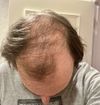
A user shared their positive hair transplant results after 19 months without using finasteride or minoxidil, only vitamins. Some responses suggest concern over future hair loss without prevention treatments, while others congratulate or express jealousy.
Finasteride was intentionally developed to treat BPH and later approved for male pattern baldness (MPB) due to its 5AR inhibition effects. The delay in MPB approval was due to concerns about off-label use for female hirsutism and the prioritization of treating a more debilitating condition.
A user's progress pictures and four month finasteride update showing dramatic hair regrowth, as well as their experiences with other treatments like minoxidil. The conversation also includes advice on diet, testosterone levels, and the importance of avoiding baldness for attraction and confidence.
Treatments for hair loss, including topical immunotherapy, regenerative treatments, laser and light-based therapies, oral supplements, intralesional steroids, and new drugs like finasteride and minoxidil.
The conversation discusses hair loss treatments, specifically Rogaine and Finasteride, with concerns about Finasteride's potential sexual side effects. Users share personal experiences, with some switching to Dutasteride for better results, and others reporting hair regrowth without side effects.
A user's hair loss progress after 4 months of using a topical fin and min mix, with responses from other users about their experience with the same treatments.
The user is experiencing chronic folliculitis with scalp sores and is concerned about a receding hairline. They have tried various treatments including antibiotics, Nizoral 2% shampoo, and lifestyle changes, but are seeking further advice.
A 24-year-old is considering a hair transplant but is hesitant due to cost and finding his shaved head looks better than expected. He plans to try finasteride to improve hair density after unsuccessful attempts with minoxidil and dutasteride.
Improved hair density and texture after using 1mg oral finasteride and 5mg oral minoxidil for a year. The user is satisfied with the results, noting no significant side effects except reduced seminal volume.
The user reported improved hair quality and faster growth after switching from finasteride and topical minoxidil to dutasteride and oral minoxidil, despite experiencing significant shedding. They take separate pills daily and are optimistic about future progress.
PP405 shows promise in activating dormant hair follicles and increasing hair counts but lacks detailed efficacy data compared to minoxidil and finasteride. Opinions are mixed, with some optimism and skepticism about its effectiveness.
A user had a successful hair transplant at Diamond Hair Clinic with Dr. Mehmet Demircioglu, noting excellent care and results after 6 months. They now maintain their hair with Dutasteride, oral and topical Minoxidil, and vitamins.
Finasteride is not linked to a 60% risk of persistent sexual dysfunction; this figure applies only to those already experiencing sexual issues. Most users do not have side effects, and the study's methodology is criticized for selection bias.
A person shared their hair transplant experience at Diamond Hair Clinic, discussing the process, costs, and satisfaction with the results. They used Minoxidil, Duasteride, and vitamins for maintenance post-surgery.
A person had a hair transplant at Diamond Hair Clinic with Dr. Mehmet Demircioglu using the Sapphire FUE method with 4500 grafts. They are using Duasteride, oral and topical Minoxidil, and vitamins for recovery and hair growth.
A new serum claims to enhance hair regrowth by amplifying oxygen delivery, improving the effectiveness of treatments like exosomes and peptides. Users are skeptical, questioning its efficacy compared to established treatments like Minoxidil and Finasteride.
A 31-year-old Australian had a successful hair transplant in Turkey for $10,000 AUD, using minoxidil and finasteride to combat hair loss. He now has a full head of hair, increased confidence, and continues using finasteride with occasional minoxidil.
In Austria, finasteride prescriptions are restricted due to suicide risk concerns, with new prescriptions only for current users. Alternatives like topical finasteride, dutasteride, and online purchases face legal challenges.
The user has been taking 1 mg of finasteride and 6 drops of minoxidil orally per day for five months, experiencing increased hair shedding but also noticing denser and fuller hair according to friends. Despite the shedding, the user is happy with the progress and has not experienced significant side effects, though they caution against the risks of taking minoxidil orally.
The user is experiencing significant hair loss and is considering treatments like minoxidil, finasteride, and possibly a hair transplant. They are advised to consult a dermatologist and consider oral minoxidil and dutasteride, while being aware of potential side effects and the need for ongoing treatment.
A 20-year-old is experiencing hair thinning and seeks advice on starting treatment and regrowing hair. They are considering using Minoxidil, finasteride, or RU58841.
Dutasteride and finasteride for hair loss, with dissatisfaction expressed about dutasteride and consideration of switching back to finasteride. Users share varied experiences, noting individual responses to treatments differ.
A person is struggling with hair loss despite using finasteride and minoxidil, considering dutasteride and magnesium supplements. They are advised to be patient, consider a hair transplant, and check for thyroid issues.
Dutasteride is more effective than finasteride for hair loss as it blocks more of the enzyme causing hair loss. New treatments like stem cell therapies and alternatives to minoxidil are being explored, but major advancements are still years away.
Significant hair regrowth was achieved in two months using oral finasteride, topical minoxidil, microneedling, and Nizoral shampoo. Some users mentioned side effects of finasteride, like low libido and pain, and recommended consulting a doctor or trying topical alternatives.
A 22-year-old is experiencing significant hair shedding and is using multiple treatments, including oral and topical minoxidil, finasteride, topical dutasteride, ketoconazole shampoo, and considering adding RU58841 and stemoxydine. Others advise patience, suggesting sticking to finasteride and minoxidil for at least a year before evaluating results, as initial shedding is normal and adding too many treatments can be counterproductive.
Hair regrowth from treatments like minoxidil, RU58841, and finasteride is not permanent; stopping these treatments typically results in hair loss resuming. Beard hair can become permanent with minoxidil use, unlike scalp hair, which requires ongoing treatment to maintain gains.
A user was embarrassed by a pharmacist's loud mention of "minoxidil" for hair loss, sparking a discussion on the stigma and unprofessionalism. Users suggested online purchases or different pharmacies for privacy and reassured that most people don't notice others' purchases.
The user applies Rogaine foam, Toppik hair fibers, and Tresemme mousse to improve hair appearance and has restarted finasteride after a year off. They are considering a hair transplant and are working on self-esteem related to hair loss.