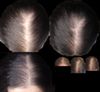
Hair fibers impressively cover bald spots, boosting confidence. User started big 3 treatment (0.5mg fin, 1 time minoxidil 5% topical, ketoconazole 2%) for regrowth.
A user stopped hair loss by eating organic pumpkin seeds daily, despite previously using minoxidil and finasteride. They suggest others try pumpkin seeds, noting potential benefits for hair growth, especially for women.
Serevelle is being considered for hair loss due to menopause, but its effectiveness is unclear. Minoxidil and hormone management are suggested alternatives.
The user is experiencing hair loss and has been using treatments like minoxidil, finasteride, and ciclopirox olamine. Despite these treatments, they are concerned about increased shedding, dandruff, and possible additional hair loss conditions.
Hot weather can increase hair shedding, possibly due to dehydration and active sebaceous glands. Using shampoos with salicylic acid or zinc pyrithione may help; daily anti-inflammatory use is not recommended.
Hair loss discussion includes treatments like Minoxidil, Finasteride, and RU58841. Conversation highlights double standards with hair fibers and women's wigs/makeup/extensions/eyelashes.
Taking care of hair condition through the use of shampoo, conditioner, oils and scalp scrubs, as well as advice on using Nizoral and Naturebox Olive Shampoo. Replies also included discussion about whether a bad shampoo could be causing hair loss.
Silk pillowcases reduce hair breakage and shedding by causing less friction, making hair appear healthier. They don't prevent hair loss but improve hair condition and comfort.
A 25-year-old male with seborrheic dermatitis and hair thinning seeks advice on the severity of his condition and treatment options. Oral finasteride and oral minoxidil are recommended as the most effective long-term treatments.
The user started using minoxidil foam daily after two years on finasteride and is managing seborrheic dermatitis with antifungal shampoo. They seek advice on moisturizing products that won't worsen their condition, with suggestions including gentle shampoos and light ceramide serums.
A user's journey with hair loss and their use of topical finasteride, minoxidil and pyri/minoxidil ratio treatments to attempt hair regrowth. Replies focused on offering support and advice while sharing personal experiences with different treatments.
Cecred hair drops, containing keratin and biotin, are questioned for their effectiveness compared to proven treatments like minoxidil. Users express skepticism, suggesting deceptive marketing and the possibility of undisclosed use of other treatments like finasteride.
The user is experiencing hair thinning and brittleness, possibly due to Telogen Effluvium, which affects body hair and may be linked to stress or nutrition. They are considering using finasteride for treatment but are unsure if it will address their symptoms.
A 24-year-old with early hair loss is managing it with finasteride, minoxidil, and dutasteride, and is considering using a hair system for more styling options while maintaining transparency. They emphasize confidence and self-expression over hair, viewing it as an amplifier rather than a foundation.
The user follows an intensive hair loss protocol including dutasteride, biotin, black tea, pumpkin seed oil, peppermint shampoo, rosemary conditioner, mukemame, soy milk, lycopene, garlic, magnesium, chamomile, spicy food, citrus bergamot, zinc, multivitamins, kefir, and Greek yogurt. They plan to alternate between pumpkin seed oil and safflower oil and will share before and after pictures.
A serum containing Centella asiatica extracellular vesicles, IGF-1, FGF-7, and caffeine significantly improved hair thickness, density, length, and reduced hair loss after 56 days. The conversation also discusses how treatments like finasteride, minoxidil, and ketoconazole address different aspects of hair loss by reducing DHT, improving blood flow, and lowering inflammation.
Sons are offering free Biotin capsules, Thickening Clay, or Conditioner for hair care testing to UK men. Interested individuals can apply to receive these products without purchase.
The conversation discusses the lack of promising results from the 23rd Annual Meeting of Japan Society of Clinical Hair Restoration, with no significant advancements expected in the next five years. Treatments mentioned include setipiprant, with skepticism about its effectiveness.
A 16-year-old female experiencing severe hair loss and sebum buildup, likely due to telogen effluvium and PCOS, is currently using vitamin D3 supplements, Redenser serum, and T follihair supplements. Recommendations include addressing PCOS first and consulting a doctor.
A user shared their experience with telogen effluvium triggered by a keratin treatment, leading to significant hair loss. They found improvement using aloe vera with rosemary, a protein and iron-rich diet, and patience.
A user with seborrheic dermatitis is experiencing bald spots and hair thinning despite changing their diet and taking oral minoxidil. Another user suggests using ketoconazole shampoo properly, using a scalp massager, applying rosemary/peppermint oil, keeping hair short, and taking fish oil to improve scalp health.
Topical melatonin was found to significantly increase hair density and decrease scalp conditions like seborrheic dermatitis. The user is considering using it alongside finasteride and oral minoxidil for treating hair loss and scalp health.
The conversation is about experimenting with topical exosomes for hair loss treatment, alongside microneedling, Happy Head's gel-like topical, and Ordinary's hair serum. The user also mentions the availability of treatments like latanoprost and Redensyl.
The conversation discusses Kevin's accurate information on hair loss treatments and highlights Dr. Bloxham's ongoing work with Verteporfin on FUT scars, suggesting people follow Dr. Bloxham's YouTube for updates. It also thanks Haicafe and Melvin from the hair restoration network forum for their contributions.
Hair growth success may be linked to addressing scalp fungi issues, with treatments like minoxidil, finasteride, and dutasteride being important. DHT may contribute to scalp microbial issues, potentially causing inflammation and hair loss.
User discovered hair fibers, tried Toppik but concerned about ingredients. Considering Boldify (cotton-based, cheaper) and Surethik (keratin-based) as better options.