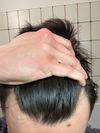
A user with alopecia totalis, borderline universalis, seeks advice on getting into a Xeljanz trial or appealing insurance for coverage. They experienced significant hair regrowth but are now seeing hair loss again and want to try Xeljanz.
Exosomes are being considered for hair regrowth after using finasteride and minoxidil, with skepticism about their effectiveness and high cost. Users discuss administration methods like injections and microneedling, but concerns about pricing and potential scams are prevalent.
The user has tried topical Minoxidil and oral Minoxidil for beard and scalp hair growth with minimal results, and has been on Finasteride for 7 months with stabilized scalp hair but no facial hair improvement. They are considering using a SULT1A1 enzyme booster to enhance results and are questioning its effectiveness without concurrent topical Minoxidil application.
A 31-year-old woman shared her 9-month progress using 5% minoxidil foam for hair loss, noting significant improvement after initial shedding and seeing regrowth by month 4. She also used ketoconazole shampoo and has been on spironolactone for acne, but did not use finasteride.
A 20-year-old is experiencing hair shedding two months after starting 2.5mg oral minoxidil and topical finasteride. They notice thinning in areas where finasteride is applied but also see new baby hairs growing.
The user shared their 3-month progress using 5% topical minoxidil and microneedling with a 1mm dermaroller, noting significant hair growth without using finasteride. They applied minoxidil twice daily and used the dermaroller three times a week, experiencing a short shedding phase after 2-3 weeks.
The conversation discusses hair loss caused by Trenbolone use, with suggestions to stop using it and consider treatments like Minoxidil, Dutasteride, and RU58841. It highlights that Minoxidil may temporarily regrow hair, but stopping Trenbolone is crucial to prevent further hair loss.
A 30-year-old man shared his hair regrowth progress using Minoxidil and Finasteride. He experienced side effects initially but resumed treatment, and now sees improvement.
The user "Turbulent_Mix_318" shared their progress pictures after 7 months of using finasteride, dutasteride, and oral minoxidil for hair loss. They did not experience any adverse effects except for increased hair growth in other areas.
The conversation discusses the possibility and safety of adding minoxidil sulfate to mesotherapy with dutasteride. Users are inquiring if anyone has tried this combination.
The positive effects of one year of treatments with topical minoxidil and oral finasteride for hair loss, with encouraging progress pictures as evidence.
The user is treating alopecia areata with 1.25mg oral minoxidil daily and topical mometasone furoate, considering increasing the dose or adding finasteride, though finasteride is not typically used for this condition. A gluten-free diet is suggested, and alternatives like Olumiant are mentioned.
A 37-year-old male stopped using finasteride and minoxidil due to side effects and switched to derma rolling, scalp massaging, and Revita shampoo, resulting in thicker, healthier hair with new growth. Users discuss the effectiveness of mechanical scalp stimulation, with some sharing similar positive experiences and others expressing skepticism.
The user is experiencing hair loss with possible causes including chronic telogen effluvium, diffuse alopecia areata, and androgenic alopecia. They have tried treatments like Nizoral shampoo, minoxidil, and finasteride, and are considering a biopsy for further clarity.
Switching from topical to oral minoxidil caused acne breakouts, leading the user to revert to topical use. Finasteride was also used, but acne was suspected to be linked to oral minoxidil.
The user experienced significant hair regrowth by returning to a regimen of 1mg oral finasteride daily and daily topical minoxidil after previously reducing their doses. They also emphasize maintaining energy and health through diet, exercise, and supplements.
A 35-year-old man shares his one-year progress using 1.25 mg oral finasteride and 5% topical minoxidil for hair loss, with no side effects and slight improvement in his front hairline. He also uses keto shampoo twice a week and a 0.5mm roller weekly.
The conversation discusses androgenic alopecia (AGA) and its treatments, focusing on finasteride, minoxidil, and ketoconazole shampoo. Finasteride is recommended as essential for preventing further hair loss.
The conversation discusses hair regrowth using microneedling, Minoxidil, and Finasteride over a three-month period. Specific treatments mentioned are microneedling, Minoxidil (Min), and Finasteride (Fin).
The user has been using minoxidil, finasteride, and microneedling for two years, resulting in significant hair regrowth and plans for a 4000 graft hair transplant. The treatments have strengthened the donor area, making a hair transplant feasible.
The user reports that after 4 months of microneedling, 10 months of Minoxidil, 2 years of finasteride, and using ketoconazole 3 times a week, their hair has become less dense in the treated areas. Despite initial shedding and continued treatment, they have not seen improvement and feel their body is resistant to the medications.
The user shared their experience with liquid Minoxidil, which initially worked well but caused severe skin irritation, leading them to stop. They are now trying oral Minoxidil and plan to document their progress weekly.
Hair appearance fluctuates due to factors like styling, product buildup, and humidity, causing frustration for those with diffuse thinning. Treatments mentioned include minoxidil, finasteride, ketoconazole shampoo, and RU58841, with mixed results.
A 31-year-old experienced significant hair regrowth using Minoxidil 5% topical twice daily and Finasteride 0.625mg daily, with additional microneedling. The user reported initial shedding, improved hair thickness, and no major side effects, impressing their dermatologist with the results.
The post discusses the difference in effects of Minoxidil (Min) on scalp and facial hair. The user questions why Min-induced hair growth on the scalp is temporary, while facial hair growth seems permanent, even after stopping Min. They propose theories, including different Min mechanisms on body and facial hair, the role of DHT, and the possibility of not achieving fully terminal hair. The responses include personal experiences and theories about Min's effects on hair growth.
A 15-year-old experiencing severe diffuse thinning plans to use minoxidil, dermarolling, and possibly ketoconazole, with hopes to later incorporate finasteride. Concerns about starting finasteride too young and the need for a dermatologist consultation are discussed.
The user experienced significant hair regrowth after using minoxidil for 9 months and finasteride for 3 months, with plans to continue treatment and possibly get a hair transplant. Some users suggested adding microneedling and other treatments, while others discussed potential side effects of finasteride.