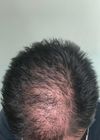
The conversation is about the proper frequency and needle length for microneedling to treat hair loss, with a user asking if they should use a 0.5 mm derma stamp daily and a 1.5 mm stamp once a week.
Mixing topical solutions like Morr F 10% (Minoxidil) and L'Oreal Seryoxyl (Stemoxydine) before application may not reduce their effectiveness. The goal is to apply treatments all at once instead of multiple times a day.
The user has been using 0.25% topical finasteride for eight months with slight improvement and is considering switching to oral finasteride for convenience and potentially better results. Increasing the topical concentration to 0.33% or 0.5% is also an option, but oral finasteride may have more systemic side effects.
Breezula shows promise in stabilizing hair loss and potentially promoting regrowth at the one-year mark, offering hope for those who can't tolerate 5AR inhibitors. Its local targeting of androgen receptors could be a significant advancement if it avoids systemic side effects.
Mixing topical finasteride with essengen f and stemoxydine creates 0.25mg dose in 2ml. Minoxidil max suggests mixing 8.5ml essengen f with 60ml solvent for 0.25mg dose in 1ml.
The conversation is about a person's two-year hair regrowth progress using finasteride, minoxidil, ketoconazole, and microneedling. They are comparing their hair from April 21, 2022, to April 13, 2024.
The conversation is about finding an affordable and effective low level laser therapy device for hair loss, with a preference for a cap but open to a comb.
Switching from liquid to foam minoxidil may cause mild shedding, possibly due to differences in absorption. Returning to the original liquid formulation typically stabilizes shedding within a few weeks.
A user is considering adding PRP and mesotherapy to their hair loss treatment and is deciding between two options: Promoitalia, which contains Phosphatidic acid, Riboflavin, and Superoxide dismutase, and the more expensive Melsmon, a human placenta derivative. They seek advice on which option to choose based on effectiveness and scientific backing.
The conversation discusses creating a personalized topical treatment for hair loss, with ingredients like finasteride, minoxidil, tretinoin, melatonin, caffeine, and others. Users share their ideal formulations, including combinations of minoxidil, finasteride, tretinoin, adenosine, and other compounds, while also discussing the importance of managing inflammation.
The conversation discusses androgenetic alopecia (AGA) and questions why treatments focus on lowering DHT levels instead of building resistance to it. It also touches on hair transplantation techniques using body hair.
User started balding at 16 and began treatment at 18, using RU58841, minoxidil, derma rolling, and peptides. After 6 months, they experienced significant hair regrowth and are happy with the results.
The conversation is about comparing the effectiveness of Minoxidil alone versus Minoxidil combined with other substances like Tretinoin, LCLT, Procapil, Aminexil, and Capixyl for hair growth. One user did not understand the terms used.
To maintain hair regrowth, users suggest parting the hair to apply treatments like minoxidil and finasteride directly to the scalp. Consistent application is necessary to prevent hair loss from returning.
The conversation humorously outlines the progression of hair loss and the increasing desperation for treatments, starting with vitamins and dermapen, moving to finasteride, then to dutasteride and experimental chemicals, and finally to acceptance with shaving or hoping for hair cloning. Some users agree with the accuracy, while others question if it's a joke.
The user uses a 1.5mm derma stamp weekly for hair loss and applies minoxidil afterward, feeling a slight burn but no bleeding. They question if bleeding, seen in others using a derma pen, indicates proper technique.
The user experienced significant hair regrowth using 5% topical minoxidil and 1mg finasteride daily, despite multiple shedding phases, and emphasizes the importance of starting treatment early and maintaining consistency. They advise against obsessing over online forums during shedding periods and recommend checking for scalp conditions like seborrheic dermatitis and ensuring proper nutrition.
Experimenting with trestolone as a treatment for hair loss in an attempt to avoid DHT-related treatments such as finasteride and dutasteride, and discussing the potential effects of its receptor selectivity on the androgen receptors in the scalp.
The user experienced increased hair miniaturization and shedding despite using finasteride, topical minoxidil, microneedling, and other treatments. They are considering more aggressive treatments or a hair system if no improvement occurs by the end of 2025.
The conversation is about sourcing gray market compounds, gt20029 and pp405, for hair loss treatment. The user is interested in these compounds despite their unproven status and potential risks.
The conversation discusses the pros and cons of using propylene glycol versus ethyl alcohol in topical solutions for finasteride and minoxidil. It questions why propylene glycol is commonly used and whether ethyl alcohol might be a better option.
Japanese scientists discovered ABM cells, enabling successful human hair follicle cloning, potentially curing hair loss. The treatment may be available in Japan by 2028, but it will be expensive and require travel.
The conversation discusses treatments for a receding hairline, specifically comparing microneedling with exosomes to injecting them. The user seeks recommendations for beginner-friendly resources, such as YouTube videos, to help start these treatments.
An 18-year-old male experiencing hair loss since 2023 is using minoxidil, microneedling, and topical finasteride. He is considering switching to oral finasteride for potentially better results.
The conversation discusses making a topical melatonin solution for hair loss treatment, questioning if isopropyl alcohol can dissolve melatonin. Melatonin is soluble in lipids and alcohol, but it's unstable and should be mixed fresh regularly; it may help hair growth by affecting certain cellular signaling pathways and has anti-androgenic effects.
Microneedling pens for hair loss, with users discussing brands like Korabeauticals v2, Dr Pen, and Derminator 2. Some users report using oral minoxidil but have not seen regrowth yet.
Clascoterone, an acne treatment that blocks DHT, is being developed for scalp use against hair loss. The conversation also mentions Minoxidil, finasteride, and RU58841 as treatments.