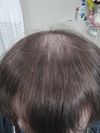
Small hairs around the hairline may regrow with continued use of minoxidil, finasteride, and ketoconazole. The user is hopeful about hairline improvement.
An 18-year-old noticed significant hairline recession and is concerned about further hairloss. They plan to improve their lifestyle and are advised to use finasteride and minoxidil and consult a dermatologist.
A woman experiencing hairloss is trying iron, biotin, and B12 supplements, increasing meat intake, and improving hydration to address her condition. Another person suggests checking vitamin D levels, stress, thyroid, and hormones, and recommends seeing a dermatologist for a proper diagnosis.
A 24-year-old is struggling with severe depression and anxiety due to hairloss, despite using dutasteride and oral minoxidil for two years. They are advised to consider shaving their head, exploring wigs or hair systems, and focusing on other aspects of life like health, relationships, and career.
A user's experience with hairloss regrowth, achieved through the use of 1mg finasteride, 5% Minoxidil, an essential oil blend, and microneedling once per week, as well as other treatments like warm water washes, baby shampoo, and OGX coconut conditioner. Other users shared their experiences with similar treatments and congratulated the original poster on his results.
The user is experiencing thinning at the temporal points and has been using minoxidil, dermarolling, and a mixture of natural oils to improve hair growth. They are considering finasteride as a potential treatment based on shared information.
A 24-year-old male is experiencing hair thinning and feels hopeless, considering treatments like finasteride and minoxidil but is concerned they might not work. He is also contemplating a dermatologist visit and is unable to afford a hair transplant.
The person is considering shaving their head due to hairloss but is unsure about the decision and concerned about potential regret. They are not interested in medication due to side effects and cannot afford a transplant, seeking advice and personal experiences.
The user is considering whether to delay meeting their long-distance girlfriend to undergo a hair transplant or meet her with their current hairloss, having used Dutasteride, Pyrilutamide, and Minoxidil. Most responses advise being honest about the hairloss, suggesting confidence and authenticity are more important than appearance.
A 19-year-old is struggling with hairloss despite using minoxidil and finasteride, feeling depressed and lacking confidence. Suggestions include trying dutasteride, topical treatments, hair transplants, or accepting baldness.
Hair thinning possibly due to rapid weight loss and dietary changes, with no nutrient deficiencies found. The user is taking vitamins and considering seeing a hair specialist to promote regrowth.
The conversation discusses the use of trichoscopy to predict hairloss patterns and inform treatment approaches. Treatments mentioned include minoxidil, finasteride, and dutasteride, with varying effectiveness based on gender-specific hairloss patterns.
The user shared their successful hair regrowth using oral finasteride, minoxidil foam, a custom topical solution, ketoconazole shampoo, and microneedling, resulting in significant improvement at the crown. However, they experienced hairline recession after switching to a topical solution with finasteride and minoxidil, raising concerns about its effectiveness.
Stopping hairloss treatments like finasteride and minoxidil can result in losing regrown hair, highlighting the importance of consistent use. Restarting these treatments may cause temporary shedding, but hair can regrow with continued use.
An 18-year-old male experiencing hair thinning and loss is using oral minoxidil, topical minoxidil, finasteride, and a multivitamin as prescribed by a dermatologist. He's having difficulty applying the topical minoxidil effectively due to his hair length, as he feels a lot of it stays on his hair instead of reaching the scalp.
The user experienced significant hair regrowth using minoxidil, microneedling, and estrogen, leading to a need to tie their hair back. They attribute the success to estrogen suppressing testosterone, alongside their routine of minoxidil, microneedling, and supplements.
A user with diffuse thinning noticed stubble-like hairs on their scalp after using 2% ketoconazole shampoo, dermarolling, castor oil, Vitamin D3, biotin, and iron supplements. They are unsure if this indicates regrowth or miniaturized hairs.
A 22-year-old man experienced significant hairloss after stopping minoxidil and finasteride, causing emotional distress. He resumed these treatments and is considering dutasteride and microneedling to manage his hairloss.
A user is developing a tool to track hair density, aiming to help those using treatments like minoxidil. They seek feedback on the tool's usefulness and are considering a low-cost model to cover expenses.
The user is considering a hair transplant but has started using finasteride and minoxidil, noticing initial improvements. They are unsure about the dosage and seek advice, while others suggest understanding treatments before opting for surgery.
A 26-year-old discusses hairloss treatment using oral finasteride microdosing, topical minoxidil with tretinoin, and dermastamping every 10 days. They started experiencing hairloss at 19 and have been using these treatments for 8 months.
A man in his twenties experiencing hereditary hairloss has been using 5% Minoxidil, a derma roller, Vitamin D3, and recently started Finasteride. He has noticed baby hairs appearing, indicating some regrowth, and is advised to continue the treatment consistently for several months to potentially see significant results.
A user's personal hairloss progress with treatments, including finasteride (1.25mg), minoxidil, needling, and Nizoral; and advice from other users on how to perform the needling correctly.
A 36-year-old is concerned about early hairline recession despite no family history of hairloss. They are considering treatments like finasteride, minoxidil, and ketoconazole shampoo but are worried about potential side effects and are seeking natural alternatives.
A user reported that using 0.5 mg finasteride daily, biotin, Nizoral shampoo, and occasional castor oil scalp massages stopped their hairloss after six months. Another user expressed hope for similar results with castor oil.
The conversation is about disappointment with hairloss progress despite using treatments like finasteride, minoxidil, nizoral, tretinoin, and a dermaroller. Direct sunlight revealed more hairloss than expected, prompting continued treatment and hope for improvement.
A 24-year-old scaled his company to over $100k MRR but experienced hairloss, attributing it to stress and genetics despite using treatments like Dutasteride and Minoxidil. Many suggest embracing baldness, focusing on health, or considering additional treatments like Finasteride, while others debate the impact of stress versus genetics on hairloss.
A user has been taking finasteride, using a derma-roller, LLLT, and argan oil, but experienced significant hairloss at the one-year mark. They are concerned if this is a normal shedding phase or something to worry about.
Hairloss treatments include finasteride, minoxidil, alfatradiol, vitamins, red light therapy, ketoconazole shampoo, meditation, green tea, leg workouts, and silk pillows. Genetics is emphasized as the primary factor in hair health, with some humor about unconventional methods like drug use affecting hairloss.