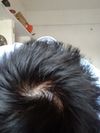
User shared progress pictures of hair regrowth using topical Minoxidil, oral Finasteride (later switched to topical), keto shampoo, biotin supplements, and dermarolling. Hairline improved slightly, considering a hair transplant for further results.
The conversation discusses affordable options for topical Finasteride, including products like Morr F, 82F, and Essengen 6 Plus, with concerns about availability and cost. The user is seeking effective and convenient solutions, considering options like compounding pharmacies and homemade solutions.
A person with hair loss due to seborrheic dermatitis saw improvement after treating the condition and using 5mg oral minoxidil, topical minoxidil, collagen, biotin, and vitamins. They are asking if the progress is real, and others have noted the oral minoxidil as a significant treatment.
This post and conversation are about mocking hair loss treatments, specifically Minoxidil, finasteride, and RU58841, with humorous and sarcastic comments. The satire suggests absurd methods and results, highlighting skepticism about these treatments.
A user shared their positive experience with a 4-in-1 topical solution containing finasteride, minoxidil, ketoconazole, and biotin, along with weekly microneedling using a 1.2mm dermastamp. The user reported no noticeable side effects and mentioned that the biotin likely doesn't contribute to hair growth.
Ell-Cranell and Eucapil are discussed as hair loss treatments, with Ell-Cranell being a weak estrogen and DHT inhibitor that may reduce hair loss without systemic side effects. Alfatradiol is the active ingredient in these products.
The user has been using minoxidil without results and recently started finasteride 1 mg due to visible scalp issues. They are seeking suggestions for further treatment.
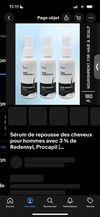
The user has been using finasteride for 7 months and is inquiring about Thrive's hair serum, which contains redensyl, procapil, and anagain, seeking feedback from others who have used it.
Combining minoxidil, pyrilutamide, and copper peptide is questioned, with advice to apply them separately to avoid reactions. Finasteride and minoxidil are recommended for effectiveness.
The user experienced hair thinning despite using finasteride and switched to a ketoconazole shampoo without sulfates to address scalp itching and dandruff. They hope this will stop further hair thinning.
Tretinoin can irritate seborrheic dermatitis, but using it with a moisturizer on calm skin may help. Parallel Health's skin microbiome testing and phage therapy are suggested for persistent issues.
Piroctone Olamine at 1% is recommended for reducing scalp inflammation and encouraging hair growth. The user seeks recommendations for UK shampoos/conditioners containing this ingredient.
The user has been using minoxidil, trioxidil, procapil, redensyl, and ashwagandha lotion for hair loss but can't find more procapil redensyl lotion. They are seeking advice on where to find it or alternative solutions.
The conversation is about a user's hair regrowth progress using topical Minoxidil 5%, a derma roller, Foligain Trioxidil shampoo, and various supplements like zinc, selenium, magnesium, B6, B7, saw palmetto, and D3 + K2. The user is seeking finasteride but faces prescription challenges in Italy.
Stacking 5% minoxidil twice daily, 1.25mg finasteride daily, 6 drops of the Ordinary hair serum with Redensyl each night, 1.5mm dermarolling once a week, Nizoral shampoo twice a week and caffeine shampoo once a week for hair loss treatment.
The conversation is about finding a source to purchase TrichoSol online for making DIY topical hair loss treatments without ethanol or propylene glycol. The user is seeking advice on where to buy raw TrichoSol.
The user tried various shampoos for thinning hair without clear results, except for Viviscal which noticeably thickened their hair. They noted that no shampoo can regrow hair and provided links to YouTube reviews for further information.
Topical spironolactone 5% is being discussed for its effectiveness in treating hair loss, specifically receding temples. The user is inquiring if it works similarly to finasteride as a testosterone blocker.
A user's progress with hair loss treatments such as derma pen, minoxidil/finasteride topical, RU58841, oils and Hims shampoo over 6 months. The replies are full of encouragement for continued progress.
A user is seeking recommendations for a shampoo with 1% Ketoconazole that is sulfate-free. They are looking for a product without 'sodium laureth sulfate.'
The user follows an intensive hair loss protocol including dutasteride, biotin, black tea, pumpkin seed oil, peppermint shampoo, rosemary conditioner, mukemame, soy milk, lycopene, garlic, magnesium, chamomile, spicy food, citrus bergamot, zinc, multivitamins, kefir, and Greek yogurt. They plan to alternate between pumpkin seed oil and safflower oil and will share before and after pictures.
User on fin, minox, and ketoconazole seeks to add another topical anti-androgen. Hierarchy of effectiveness: 1. RU55841, 2. Fluridil - Eucapil, 3. CB-03-01 - Breezula, 4. Ketoconazole; alfatradiol suggested as addition.
The user experienced hair loss from overwashing and frequent product changes, seeking alternatives to Minoxidil due to having pets. Suggestions included using oral Minoxidil, ketoconazole shampoo, and maintaining a consistent hair care routine with gentle, sulfate-free products.
A 28-year-old male is experiencing hair loss, itching, soreness, and numbness on the scalp, with symptoms including dry, brittle hair and scalp irritation. Treatments tried include Nizoral, salt water, various oils, and antihistamines, with limited success; a chemist suggested a possible fungal infection, while a doctor suspected male pattern baldness.
People are discussing ketoconazole shampoos that don't dry out hair, with suggestions including using it as a topical treatment, switching to T-Sal, and using moisturizing products like hyaluronic acid serum and biotin conditioner. Regenepure DR is confirmed to still contain ketoconazole, and some users recommend using moisturizing shampoos and conditioners to prevent dryness.
The conversation discusses a 5-month hair loss treatment regimen including finasteride, minoxidil, RU58841, dermapen (1.7mm), and ketoconazole shampoo, with noticeable hair regrowth. One user notes the hair appears thicker, while another mentions RU58841 is not doctor-recommended.
The user is using Finasteride gel and considering adding Redensyl to their routine, along with weekly microneedling, but is hesitant to use Minoxidil due to its initial shedding phase. They seek advice on the safety and ideal routine for combining these treatments.
A 26-year-old male is unhappy with his current hair loss routine, which includes microneedling, ketoconazole shampoo, and a topical formula with Minoxidil, Finasteride, and other ingredients. He struggles with consistency due to ADHD and is considering switching to oral medication for simplicity, but is concerned about side effects and effectiveness.