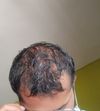
A human trial of verteporfin, a potential treatment for hair loss, with some users noting potential improvements in scarring and overall healing compared to control areas.
The user successfully reduced hair loss using pumpkin seed oil, Nizoral shampoo, and astaxanthin without using minoxidil or finasteride. They observed significant improvement over 12 months and believe the combination of treatments is effective.
A 22-year-old male with high estrogen levels is considering finasteride for hair loss but is concerned about potential side effects due to his hormone levels and family history of diabetes. Users suggest consulting a doctor, possibly an endocrinologist, and considering lifestyle changes like diet and exercise to address visceral fat and insulin resistance before starting treatment.
A user's 6 month hairline results from using dutasteride and microneedling, which resulted in successful regrowth of their thinning temples. Other users commented with similar experiences that were also achieved through the use of finasteride, dutasteride and minoxidil.
A user humorously discusses hair loss, using treatments like Dutasteride, Finasteride, Minoxidil, and RU58841, and jokingly considers satanic rituals as a solution. The conversation includes satirical responses about trading one's soul for hair.
The conversation is about DIY Dutasteride mesotherapy for hair loss, focusing on creating an injectable treatment to target the scalp and limit side effects. The user seeks feedback on enhancing the treatment with additional ingredients.
Finasteride can reduce neuroactive steroids, causing side effects like depression, anxiety, and sexual dysfunction. Some users experience persistent symptoms after stopping finasteride, while others use alternative treatments like topical solutions.
The Ordinary multipeptide hair serum is used alongside treatments like minoxidil, topical finasteride, and derma rolling, with some users reporting hair thickening and vellus hair regrowth. However, experiences vary, and some users are skeptical due to the lack of solid evidence and mixed efficacy reports.
A user experienced increased hair shedding after taking pumpkin seed oil for 4 weeks and is unsure if it's a "dread shed" or if the oil isn't suitable. They cannot tolerate anti-androgens like spironolactone and finasteride due to side effects and are seeking advice on whether to continue with pumpkin seed oil.
The user is concerned about high LH and estradiol levels after using finasteride but reports no side effects. They are seeking advice on whether these levels are concerning despite feeling fine.
After suffering from hair loss and trying various treatments like finasteride, minoxidil, RU58841, and scalp micropigmentation without lasting success, the individual found freedom and a renewed sense of self by shaving their head and accepting their baldness. They encourage others struggling with hair loss to not waste years searching for a cure and to consider embracing a shaved head as a positive solution.
The conversation is about a topical spray containing finasteride, minoxidil, and tretinoin, with users discussing its effectiveness compared to more established brands. One user mentions using a product with 5% minoxidil, 0.15% finasteride, and 0.15% tretinoin.
The conversation discusses whether topical finasteride, dutasteride, or antiandrogens like RU58841 can reduce sebum overproduction as an early indicator of their effectiveness in treating hair loss. It suggests that while hair growth may take months to observe, a decrease in oiliness could be a quicker sign of a product's action.
The user has been using a topical solution of minoxidil 5% and finasteride 0.025% daily, along with dermastamping every two weeks and ketoconazole shampoo twice a week for four months. The treatment is for hair loss.
The conversation is about someone's progress after using 2.5mg of oral finasteride and minoxidil for hair loss over six months. Commenters are congratulating the individual on their successful hair regrowth.
The conversation humorously discusses hair loss treatments, focusing on finasteride and hair transplants, with references to public figures like Trump and Biden. It speculates on whether Trump has stopped using finasteride, noting his hair thinning and potential side effects.
The user shared progress after 9 months of using finasteride, minoxidil, and dermarolling for hair loss, despite some inconsistency in treatment. They are pleased with the results and plan to stop updating.
The user experienced significant hair regrowth after 6 months using a regimen of 1mg Finasteride daily, 5% Minoxidil foam twice daily, Nizoral shampoo twice a week, and Moroccanoil Scalp Balance shampoo and conditioner. The user reported no side effects from Finasteride and noted a change in hair texture during treatment.
The conversation humorously discusses exaggerated hair growth results using 500mg finasteride and 1000mg minoxidil daily, with side effects including a bloody nose and lowered libido. It also jokes about microneedling, hair transplants, and elephants, suggesting the post is satirical.
A 21-year-old male with advanced hair loss (NW7) started using finasteride and minoxidil 10 months ago but hasn't seen much progress. He is pre-diabetic with stage 1 hypertension and is seeking insights on whether treating these conditions could improve hair regrowth.
The conversation discusses using finasteride, dutasteride, minoxidil, and RU58841, along with a 10,000 graft hair transplant, to prevent magpies from targeting bald men. The title humorously references an eight-year-old's survey on magpies swooping bald men.
The user experienced a second shedding phase at 7 months while using topical finasteride and minoxidil, which is considered normal. The second shedding phase typically doesn't last as long as the first.
The conversation humorously discusses hair loss treatments, specifically finasteride and minoxidil. Users joke about side effects and suggest using seaweed for white hair.
Saw palmetto and pumpkin seed oil are generally considered ineffective for hair regrowth compared to finasteride and minoxidil. Users report that finasteride, minoxidil, and sometimes dutasteride are more reliable for maintaining and regrowing hair.
The user stopped finasteride for family planning but plans to restart it and is considering dutasteride. Users discuss the safety of finasteride during family planning, with some sharing experiences of having healthy children while on the medication.