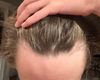
A 21-year-old male with a thyroid condition noticed his hair thinning uniformly without a receding hairline. He is considering using a 5ARI to prevent further baldness if he starts TRT.
The conversation discusses potential future hair loss treatments, including SCUBE3, hair follicle cloning, and GT20029, with mentions of past disappointments like CosmeRNA and hopes for treatments like Verteporfin for infinite donor hair.
Hair loss treatments discussed include microneedling, minoxidil, tretinoin, finasteride, dutasteride, pumpkin seeds, saw palmetto, and scalp massage. The consensus is that finasteride or dutasteride is necessary for significant regrowth, while other methods may only slow hair loss.
AH-001 is a new topical treatment designed to degrade androgen receptors, targeting the root cause of androgenetic alopecia without the side effects of oral treatments like finasteride. It has shown a strong safety profile and good local tolerability in early trials.
Scientists have grown natural-looking hair from stem cells, potentially revolutionizing hair growth treatments. Concerns include cost, DHT resistance, and the need for future procedures.
KX-826, Breezula, PP405, and Stemson are potential future treatments for hair loss, with varying timelines and mechanisms like blocking DHT and stem cell activation. Users express skepticism about the timeline and mention current options like hair transplants and minoxidil.
FCE 28260 (PNU 156765), an under-explored 5α-reductase inhibitor, showcases promising results in research by Giudici et al., outperforming well-known treatments like Finasteride in reducing the conversion of testosterone to DHT. Its superior efficacy, demonstrated through lower IC50 values in both natural and human recombinant enzyme studies, suggests it could offer more effective management of DHT-related conditions. Additionally, its lower molecular weight hints at better potential for topical application, potentially offering advantages in treating conditions such as androgenic alopecia. Despite its potential, it has not advanced in development, possibly due to financial limitations, leaving its therapeutic prospects and side effect profile largely unexplored.
The user shared their journey from hair loss at 17 to a full head of hair using topical finasteride, Saw Palmetto, a natural serum with stem cells and rosemary oil, dermarolling, and a specialized shampoo. They experienced side effects with Dutasteride and found success with their current routine without side effects.
A user is concerned about hair shedding despite noticeable regrowth after 7 months of using finasteride. The dermatologist confirmed positive results, but the user remains skeptical and confused.
An 18-year-old experienced hair regrowth using 5% liquid minoxidil and plans to start finasteride at 19. The user noticed thicker hair and new growth, particularly around the temples, and feels more confident.
A 57-year-old man shared his 6-month hair regrowth progress using RU58841, Minoxidil, microneedling, and Nizoral. He experienced significant improvement, with a smaller bald spot, thicker hair, and hairline regrowth.
Teenager with hair loss shares experience and encourages others to address their hair loss early. They use a stack of topical finasteride/minoxidil, derma stamp, and ketoconazole shampoo for treatment.
A 43-year-old male has been using oral minoxidil, finasteride, and dutasteride for hair loss, with some stabilization and thin hair growth but no significant cosmetic improvement. He is considering increasing microneedling frequency and exploring other options, as he is concerned about the lack of terminal hair growth.
PP405, a topical LDH inhibitor, has shown to stimulate hair follicle stem cell proliferation in humans with moderate hair loss. They are advancing to more detailed trials this year.
A 51-year-old shared their hair recovery journey using finasteride, minoxidil, and dermarolling, noting significant improvement in hairline and temple areas. They emphasize consistency and patience, while another user suggests adding topical kx-826 and melatonin for additional benefits.
A user discusses a company, Roots by Genetic Arts, that offers a genetic test for hair loss to create personalized treatments, and is curious about its legitimacy and the science behind it. The company tests 16 genes related to hair loss and compounds a topical treatment based on the results.
Clascoterone is promising for hair loss, showing 24.5% improvement in satisfaction compared to placebo. Users consider it an alternative to finasteride, with concerns about absorption and side effects.
A new topical medication, Clascoterone, shows promise for hair loss, improving hair count significantly. Trials for Breezula are ending, but sign-ups for PP405 trials are available for 2026.
The conversation discusses whether stemoxydine needs to be used for life for hair loss treatment. One user suggests that stemoxydine does not require lifelong use and can make hair exit the resting phase faster, but the benefits may be temporary.
A 20-year-old shared their 6-month hair loss progress using 1mg finasteride three times a week, 5% minoxidil twice daily, and 1mm dermarolling once a week. Users noted significant improvements and inquired about shedding.
A 16-year-old female experiencing severe hair loss and sebum buildup, likely due to telogen effluvium and PCOS, is currently using vitamin D3 supplements, Redenser serum, and T follihair supplements. Recommendations include addressing PCOS first and consulting a doctor.
A 17-year-old is experiencing hair shedding and is concerned about a receding hairline, using hair products like powder and sea salt spray. Advice given includes maintaining good nutrition, ensuring hair products don't build up, and considering further resources if worried.
A 21-year-old male diagnosed with telogen effluvium and male pattern baldness started taking finasteride, which initially slowed hair shedding and slightly thickened hair. The doctor recommended iron and vitamin D supplements, and the user is considering minoxidil but wants to stabilize shedding first.
Pelage PP405 is a new hair loss treatment in trials, potentially reactivating dormant hair follicles without affecting hormones. Results are expected in February 2025, offering an alternative to minoxidil and finasteride.
A Silicon Valley-backed company aims to cure hair loss. Exciting advancements include mRNA therapies, gene editing, hair cloning, AR degraders, anti-androgens, cell-based rejuvenation, and AI-based drug discovery, with hopes for FDA approval of GT20029 within 10 years.
The user is using RU58841 for hair regrowth on the temples and is considering adding minoxidil. They are questioning the potential for vellus hairs to develop into fuller hair and the possibility of reactivating dormant follicles.
The conversation discusses the potential of Verteporfin for hair regeneration and improving hair transplant surgery to leave no scars. Specific treatments mentioned include Minoxidil, Finasteride, and RU58841.
The conversation discusses GT20029, a compound by Kintor Pharma that degrades androgen receptors and is in trials, with potential as a hair loss cure. Another promising treatment mentioned is an antibody that blocks prolactin and has shown positive results in macaques.
Redensyl, a hair loss treatment that has been claimed to be 80% more effective than minoxidil, but users have not experienced any results from using it.
Clascoterone phase 3 results show promising improvements in hair count, but concerns about high costs and lack of detailed data remain. Users compare it to existing treatments like Minoxidil and Finasteride, expressing skepticism about its accessibility and effectiveness.