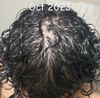
A user with long-term hairloss has been using topical minoxidil, finasteride, RU58841, ketoconazole, and dermastamping for 8 months. They are unsure if the new hairs are miniaturized or vellus.
A 25-year-old male is using topical minoxidil and plans to start finasteride and a keratin supplement to combat hairloss. He will document his progress with photos and track any side effects.
A 17-year-old is experiencing hairloss and is considering using Minoxidil and Finasteride. They are questioning if Minoxidil alone is sufficient or if Finasteride is necessary.
A 28-year-old male using Tugain 10 minoxidil, Finpecia 1mg finasteride, Cipla Ketoconazole shampoo, and dermarolling 0.5mm weekly for 3-4 months is seeing some hair regrowth. Encouragement is given to continue the regimen.
Stefano, a 20-year-old male, experienced significant hairline shedding and thinning after using topical Minoxidil, along with rosemary/jojoba oil, biotin tablets, caffeine shampoo, and a dermaroller. He is uncertain whether to continue the treatment in hopes of regrowth or stop and potentially return to his original hair condition, while a reply suggests using finasteride or dutasteride to address the underlying cause of hairloss.
A 16-year-old is experiencing early male pattern baldness and is considering using Minoxidil now and Finasteride after turning 18. Another user shared a positive experience with topical Minoxidil and Finasteride, noting improvement in hair thickness and no side effects.
South Korea's president is advocating for hereditary hairloss to be covered by national health insurance due to its impact on mental health and daily functioning. The discussion highlights the societal pressure in South Korea regarding appearance and the potential benefits of treating hairloss to improve mental health.
A 20-year-old is experiencing hair thinning despite using minoxidil inconsistently for 1.5 years and is considering adding finasteride due to concerns about side effects. They are unsure whether to increase minoxidil application, start finasteride, or if the hairloss is exaggerated in their perception.
The user experienced significant hairloss on the scalp, eyebrows, eyelashes, and pubic area, along with itchy, flaky skin and red patches. They have a history of eczema and dermatitis and suspect that stopping shampoo use and taking Ritalin may have contributed to the issue.
Hair cloning for hairloss is unlikely to be available or affordable in the next 10 years. Current treatments like Minoxidil, finasteride, and RU58841 are still the main options, with skepticism about new advancements.
A 21-year-old experienced severe hair shedding after switching from topical to oral minoxidil, despite previously managing hairloss with finasteride. They are concerned about the lack of improvement and are considering stopping minoxidil due to the dramatic hairloss.
A 20-year-old reports worsening hairloss despite using dutasteride and minoxidil, and considers a hair transplant. Users suggest continuing treatments, trying microneedling, ketoconazole shampoo, switching to finasteride, or adding tretinoin.
The conversation discusses the lack of significant advancements in hairloss treatments since the introduction of finasteride 22 years ago, with many expressing frustration over the failure of new projects and skepticism about future developments. Some users mention hair transplants and other potential alternatives like Alfatradiol and Fluridil, but acknowledge finasteride's dominance in the market due to its effectiveness and affordability.
Dutasteride mesotherapy in women with metabolic syndrome accelerated hairloss after initial regrowth, while women without metabolic syndrome saw continuous regrowth. The user with mild insulin resistance is hesitant to try topical dutasteride and seeks experiences from others with insulin resistance.
A new hair cloning breakthrough suggests a potential cure for hairloss, though skepticism remains about its availability and cost. Users discuss the possibility of unlimited hair grafts for transplants and express hope for future developments.
The user experienced hair regrowth with dutasteride and oral minoxidil from October 2025 to January 2026, but mid-scalp density decreased afterward despite continued treatment. Ketoconazole improves scalp condition, but stopping it worsens hair appearance.
Minoxidil (Lipogaine) and Ketoconazole shampoo (Regenepure) are recommended for hairloss treatment, while finasteride is considered risky due to potential side effects. Biotin is not advised due to possible health risks, and the user emphasizes the emotional impact of hairloss and the hope for a future cure.
The user noticed hair regrowth after 4 years of hairloss, coinciding with lifestyle improvements like quitting smoking, exercising, and a better diet. They are curious if dormant follicles can recover under improved conditions.
User started balding at 16 and began treatment at 18, using RU58841, minoxidil, derma rolling, and peptides. After 6 months, they experienced significant hair regrowth and are happy with the results.
An 18-year-old experiencing hairloss and seborrheic dermatitis has tried finasteride, dutasteride, and various shampoos without success. They are considering anti-androgens like RU58841 and KX-826 for oil control and dandruff reduction.
A person shared their experience with teenage male pattern baldness, advising teenagers to involve their parents, consult medical professionals, and not self-medicate. They discussed using minoxidil and finasteride, including a topical combination of both, as potential treatments under professional supervision.
A 21-year-old is experiencing aggressive hairloss despite using minoxidil, dutasteride, and GFC, and is seeking advice on whether to switch treatments or consider a hair transplant. Suggestions include continuing current treatments, checking for underlying health issues, and considering alternatives like RU58841 or microneedling.
High frequency ultrasonography and HR-MRI can help identify hair shedding causes like inflammation and fibrosis. The conversation discusses the potential of using these technologies to evaluate treatments like Verteporfin for hair regeneration.
Hairloss is linked to scalp fibrosis and tension, which result from chronic mechanical stress and androgenic signaling. Treatments include blocking androgens with finasteride, promoting hair growth with topical minoxidil, and improving scalp mobility through exercises.
The conversation is about hair regrowth using topical finasteride, minoxidil, and keto spray, along with oral Saw Palmetto, Lustriva complex, collagen, and microneedling. Users discuss their experiences with these treatments, noting improvements in hair density and color, with some experiencing mild side effects.
Hairloss treatments like finasteride, minoxidil, and ketoconazole shampoo are discussed humorously, with skepticism about future cures. Users express frustration over the lack of a permanent solution and joke about investing in stocks or using time travel to solve baldness.
A 27-year-old male with AGA and diffused thinning has been using oral Minoxidil, Finasteride, Vitamin D, B12, Iron, and Ketoconazole shampoo. Despite a hair transplant and improved blood levels, he continues to experience hairloss and suspects a possible misdiagnosis of Alopecia Areata Incognita.
A user discusses their struggle with aggressive hairloss starting at a young age and their use of various treatments, including topical finasteride, minoxidil, dutasteride, and RU58841, without significant success. Other users share their experiences and suggest trying oral finasteride or dutasteride, topical spironolactone, and maintaining a vitamin regimen, while noting potential side effects like gynecomastia.
The user is experiencing hair thinning despite using finasteride and minoxidil for over a year and is considering alternatives like dutasteride, RU58841, or mesotherapy. They are concerned about maintaining their hair until their mid-20s and are seeking suggestions for additional treatments.
Despite using dutasteride, RU58841, minoxidil, and ketoconazole for years, the user continues to experience severe hairloss and thinning. They seek advice after multiple dermatologists confirmed androgenetic alopecia (AGA) but offered no effective solutions.