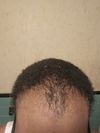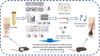
User regrew lost hair using microneedling, minoxidil, finasteride, Nizoral, fish oil, and collagen peptide. Progress was slow but constant, and patience was important.
A woman who is considering giving up on her hair loss journey after trying minoxidil and spironolactone, but other posters offer words of encouragement and suggest the use of wigs.
The conversation discusses hair loss treatments, specifically mentioning Minoxidil, finasteride, and RU58841. It also references Epibiotech's hair multiplication and cell therapy as potential solutions.
The user experienced regrowth and stabilization in hair density using finasteride, minoxidil, a derma roller, and an LLLT helmet, but noticed a recent decline in hair quality. They only take finasteride orally and are unsure about the effectiveness of the LLLT device.
The conversation is about the potential of SCUBE3 to regrow a juvenile hairline. Specific treatments mentioned include Minoxidil, Finasteride, and RU58841.
The user experienced significant hair regrowth in 5 weeks using Minoxidil, Finasteride, Dutasteride, biotin, collagen, derma stamping, and a mixture of oils, leading others to label them a "hyper responder." Some users advised caution with microneedling frequency to avoid potential scarring.
The user is experiencing hair thickening with oral minoxidil but notices worsening hairline and considers starting finasteride despite concerns about gynecomastia. They are also considering using Latisse on their hairline and seek advice on potential outcomes and experiences with these treatments.
Microneedling can cause sneezing and eye tearing due to nerve stimulation, particularly near the temples and forehead. Some users find it lessens over time, while others prefer using finasteride and minoxidil for hair growth.
A user with high pre-finasteride estrogen levels is asking if they need to normalize their hormone levels before starting finasteride and whether they should postpone dermarolling until they begin finasteride. The user is 21.5 years old.
The user is generally happy with their hair transplant results but has concerns about graft density and placement, particularly on the left temple and hairline. They are using finasteride and minoxidil inconsistently, plan to add Priorin, and are considering microneedling and PRP sessions for future care.
The conversation discusses Shiseido's RepliCel Hair-01 technology for hair regeneration, which aims to stop hair loss with minimal regrowth. Treatments mentioned include Minoxidil, finasteride, and RU58841.
The conversation discusses whether a longtime NW7 scalp has vellus hairs under a microscope or is completely smooth. Treatments mentioned include Minoxidil, finasteride, and RU58841.
New hair loss treatments include Breezula, PP405, ET-02, KX-826, GT20029, VDPHL01, and CosmeRNA, with some showing promise in reactivating stem cells and reversing greying. Breezula and VDPHL01 are highlighted as potential add-ons or alternatives to current treatments like finasteride and minoxidil.
The user is exploring hair loss treatments, including Patented Growth Factors (PGF) and a serum with Copper Peptide, Ceramides, Amino Acids, and Caffeine, while expressing concerns about the cost and effectiveness of PGF. They are also considering starting finasteride due to doubts about PGF's long-term viability and are seeking experiences from others who have used these treatments alongside antidepressants.
Astaxanthin (ASX) is highlighted as a promising supplement for treating hair loss due to its antioxidant properties. It may help with inflammation and oxidative stress, which are linked to hair loss and aging.
Concerns about metal particles from dermapen or dermaroller needles potentially entering the skin and lymph nodes, similar to tattoo needles. Discussion includes the possibility of using Minoxidil, finasteride, and RU58841 for hair loss treatment.
A 27-year-old woman experiencing significant hair loss is using spironolactone, Nizoral shampoo, and betamethasone valerate. She questions the effectiveness of these treatments and whether she should seek another dermatologist.
An 18-year-old is maintaining a stable hairline using Minoxidil, topical finasteride (Fynzur), and Dermastamp, and is considering adding oral finasteride for prevention. They seek advice on whether starting oral finasteride early is necessary given their family history and current regimen.
A user shared their experience with microneedling and minoxidil for hair loss, avoiding finasteride due to concerns about systemic hormone effects. They reported slight hair regrowth after one month and plan to continue the regimen, noting improvements in skin sensitivity and managing dandruff with anti-dandruff shampoo.
The user has been using a combination of finasteride/dutasteride, minoxidil, tretinoin, and hydrocortisone with microneedling and ketoconazole shampoo for hair loss. They are asking if the baby hairs growing will turn into terminal hairs with continued treatment.
A 23-year-old experiencing severe diffuse thinning after scalp inflammation is considering finasteride as a last resort after stopping minoxidil and using anti-inflammatory medication. Users suggest that inflammation causes temporary shedding and recommend consulting a dermatologist, with some advocating for finasteride as a reliable treatment option.
A 20-year-old experiencing hair loss since age 16 is using finasteride and minoxidil and is considering future hair transplants. Discussions include the potential for multiple transplants, the use of body hair for coverage, and the importance of treatments like dutasteride and scalp micropigmentation for maintaining hair density.
A 17-year-old has been using minoxidil, microneedling, and finasteride for hair loss, with added tretinoin for better absorption. They are seeking opinions on their progress and the use of finasteride as a teenager.
Stem-cell hair transplants could potentially create thousands of grafts from a single donor graft, offering a solution for hair loss with DHT-resistant hair. Companies like Stemson Therapeutics and OrganTech are working on this technology, which may become available in the future, possibly reducing the cost and making it widely accessible.
The conversation is about whether Saw Palmetto, which has similar but less potent effects to Finasteride, could cause the same side effects due to lowering DHT levels. The user is considering oral Saw Palmetto as an alternative to Finasteride for hair loss treatment.
Hair fibers impressively cover bald spots, boosting confidence. User started big 3 treatment (0.5mg fin, 1 time minoxidil 5% topical, ketoconazole 2%) for regrowth.
A 19-year-old male with a family history of balding is using finasteride to thicken his hair and is considering whether to add minoxidil. Users suggest continuing finasteride for several months before deciding on minoxidil.
Finasteride can reduce DHT in the genitalia, potentially causing side effects like reduced erections and penile fibrosis. Using PDE5 inhibitors like Tadalafil or Sildenafil may help maintain penile health and prevent fibrosis.
A 21-year-old woman with female pattern baldness has tried minoxidil, red light therapy, and supplements without success. She is considering spironolactone and seeking medical advice.
PP405 is a topical gel being tested for hair regrowth in adults with androgenetic alopecia. Volunteers aged 18-55 are needed for a 16-week trial in several US locations.