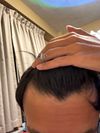
The user stopped oral treatments due to side effects and switched to a regimen of topical minoxidil, tretinoin, azelaic acid, and dermaneedling, with recent addition of topical finasteride. They are questioning the long-term effectiveness of non-hormonal methods and considering hair transplantation.
A 16 year old's experience with using pyrilutamide to treat hair loss, and the potential side effects of adding tretinoin to minoxidil and finasteride treatments.
A 35-year-old male uses topical minoxidil, spironolactone, and microneedling for hair loss, with spironolactone prescribed based on a DNA test indicating poor response to finasteride and dutasteride. Despite concerns about the test's validity and spironolactone's side effects, he reports stable or improved hair condition and no low testosterone symptoms.
A user is treating hair loss with oral finasteride, topical minoxidil, and tretinoin mixed with moisturizer for easier scalp application. They also plan to use a derma pen weekly.
The user experienced a receding hairline and tried minoxidil, which may have slowed the process but caused puffy eyes. They are hesitant to use finasteride and suspect oily dandruff might be an aggravator.
Minoxidil can cause flaky skin, and users suggest using ketoconazole 2% shampoo three times a week and a pH-balanced shampoo on other days to help manage it. Argan oil was considered but may leave hair oily.
A 17-year-old using 5% topical minoxidil experienced significant hair shedding after a year, possibly due to a "synchronization shed" and deficiencies in vitamin D and iron. Recommendations include continuing minoxidil, optimizing vitamin D and iron levels, and reducing tretinoin use if scalp irritation occurs.
Mixing Nizoral and T-Gel in a 1:1 ratio and using it three times a week provided relief from persistent seborrheic dermatitis. This treatment is recommended for those with stubborn SD.
miR-205, a tiny RNA, can stimulate hair growth by softening aging hair follicle stem cells in mice. Future tests aim to see if this can work in humans.
Tretinoin can enhance minoxidil effectiveness by boosting the sulfotransferase enzyme. Users suggest sources for affordable tretinoin and mention a product combining tretinoin with minoxidil.
Copper peptides are discussed as a potential treatment for hair loss, with various products and serums suggested, including those from Peptonix and The Ordinary. Some users express skepticism about the effectiveness and concentration of copper peptides in these products.
The conversation discusses using scalp massage, balms like Ethera and L'Occitane, and dietary changes such as rosemary tea and tofu to address hair loss. The user is also considering high-intensity interval training and slow breathing to improve hair regrowth.
Microneedling aftercare involves using saline water instead of sea water, and avoiding hyaluronic acid due to its potential pro-inflammatory effects. Users suggest using jojoba oil as a carrier for essential oils like rosemary and lavender, and combining microneedling with minoxidil for better hair regrowth results.
A person is treating their hair loss with oral minoxidil (2.5mg), derma stamping, and dutasteride (0.5mg) for nearly a year but still feels their hair isn't dense enough to grow out. Commenters are generally supportive, noting progress and suggesting it may look denser than the person perceives.
A 24 year old man suffering from male pattern baldness who has been using minoxidil foam and Redensyl (no longer using) for four months, resulting in general thickening of the hair with some regrowth. The user is also awaiting to get a Finasteride prescription and hormone panel done.
A user shared their experience with microneedling and minoxidil for hair loss, avoiding finasteride due to concerns about systemic hormone effects. They reported slight hair regrowth after one month and plan to continue the regimen, noting improvements in skin sensitivity and managing dandruff with anti-dandruff shampoo.
User shared progress pictures after 2 months of using 5% topical minoxidil, microneedling, and recently adding 0.01% topical finasteride. The minoxidil solution also contains caffeine, azelaic acid, retinol, adenosine, biotin, and niacinamide.
The user is experiencing hair shedding while using finasteride and topical minoxidil with tretinoin, keto shampoo, and dermarolling. They hope the shedding indicates future hair regrowth.
The user noticed new baby hairs after using sulforaphane but is still experiencing shedding. They are seeking a supplement to stop shedding, possibly grape seed extract.
A mid-50s Hispanic male uses a combination of topical minoxidil and finasteride, microneedling, a laser cap, and biotin to address hair loss, with noticeable progress over 2.5 years. He experiences some side effects but continues the routine, attributing improvements to these treatments.
Hair follicles don't truly die but become severely miniaturized. Treatments like finasteride, dutasteride, and minoxidil can help restore hair by providing nutrients and reducing harmful effects on hair roots.
Creating a propylene glycol-free Minoxidil and Tretinoin solution to reduce skin irritation and enhance effectiveness. An emulsifier like lecithin can help mix Tretinoin properly, and Minoxidil foam is an alternative without propylene glycol.
The conversation discusses DIY cosmetic procedures like PRP, mesotherapy, and micro-needling, with some users experimenting with Minoxidil, finasteride, and RU58841 for hair loss. It highlights a community of mostly older women performing these treatments themselves.
The conversation discusses hair loss treatments, specifically comparing rosemary and Redensyl, with the original poster already using finasteride and minoxidil. Users also mention using topical melatonin, caffeine, geranium, rosemary oil, jojoba, coconut, and argan oil for hair and scalp care.
The user has been using dutasteride, minoxidil with tretinoin, and ketoconazole shampoo for hair loss but hasn't seen improvement in temple areas. Suggestions include trying microneedling with minoxidil or considering a hair transplant, though temple transplants can be challenging.
A 24-year-old is experiencing aggressive hair shedding despite past success with mesotherapy and minoxidil, and is considering adding treatments like Expecia, dermapen, or a hair transplant. Many suggest using finasteride to maintain hair, as it is necessary even after a transplant, and side effects are rare and reversible.
The conversation is about a 24-year-old using microneedling and essential oils, specifically neo hair lotion, to promote hair growth on the temples. The user reports seeing hair growth without using medications, using a 0.5 mm needle roller and planning to switch to a 1.0 mm needle.
A 46-year-old man is using minoxidil, finasteride, and derma rolling for hair regrowth but is unsure of the results and considering a hair transplant. Many suggest he looks good bald and recommend continuing treatment or trying scalp micropigmentation.
The conversation discusses the effectiveness of an eyebrow serum containing Myristoyl Pentapeptide and Biotinoyl Tripeptide for hair growth. The user seeks information on other topical products with similar peptides for hair growth.