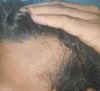
Minoxidil regrowth may be slowed by low vitamin D and ferritin levels. The user is experiencing slow hair regrowth and is considering addressing these deficiencies.
A user is experimenting with creating a DIY oral Dutasteride solution using raw powder, MCT oil, and Vitamin E to reduce costs. Others discuss their experiences with similar methods and the challenges of sourcing and testing Dutasteride.
A user is seeking a hair loss formula containing Redensyl and Capixyl without caffeine, Saw Palmetto, or other herbs. They want recommendations for such a product.
The regimen for hair loss includes topical finasteride, clascoterone, tretinoin, minoxidil, oral saw palmetto, beta-sitosterol, vitamin D, microneedling, and anti-fungal shampoo. Expected benefits are increased hair growth and density, with considerations for potential skin irritation and interactions between treatments.
ABS-201 shows promise for male hair regrowth by blocking the prolactin receptor, with higher expected efficacy than current treatments. The discussion also covers dosing differences between macaques and humans for hmi115, highlighting a significant dosage disparity.
Some people have low sulfotransferase enzyme levels, affecting their response to minoxidil. Lifestyle factors, genetics, and diet, like MSM intake, might influence these enzyme levels.
The conversation discusses using RU58841, topical finasteride/minoxidil, MK677, and microneedling as treatments for hair loss. MK677 is mentioned as a growth hormone that improves hair health and recovery from microneedling.
Users discussed experiences with Everychem's solution similar to PP405 for hair loss, noting some positive results like increased hair thickness and new growth. There was skepticism about the product's legitimacy and safety, with some users reporting early signs of effectiveness and others expressing concerns about the lack of evidence and safety profiles.
A compound called MTP3 from the Monoterpene family was found to be safe and highly effective at treating hair loss by inhibiting the FGF5 gene, but its identity is undisclosed for commercial reasons. No specific treatments like Minoxidil, finasteride, or RU58841 were discussed.
MSM is discussed as a potential treatment for hair regrowth, with mixed opinions on its effectiveness. Some users report faster hair and nail growth, while others question its credibility due to lack of scientific evidence.
Finasteride and minoxidil do not negatively interact with multivitamins, omega-3 fish oils, biotin, magnesium glycinate, or collagen peptides. Users report no issues taking these supplements alongside their hair loss treatments.
Supplements like saw palmetto or pumpkin seed oil may target the remaining 10% of DHT not affected by Dutasteride. Users discuss whether these supplements are beneficial when already using Dutasteride.
The conversation discusses the safety of taking multivitamins and zinc tablets while using finasteride. Users share experiences with additional supplements like vitamin D3, K2, biotin, and oral minoxidil.
Using topical finasteride with creatine might help reduce hair loss by targeting local DHT while maintaining normal systemic levels, but results are uncertain without testing. Users report mixed experiences with topical treatments like finasteride, dutasteride, RU58841, and minoxidil, with some seeing regrowth and others experiencing side effects.
The user is considering blood tests to understand their receding hairline and is exploring brewer's yeast for its biotin content. They have been using topical Minoxidil, biotin, collagen, and microneedling, but are avoiding oral Finasteride and Dutasteride.
A 27-year-old male started using topical finasteride (0.25%) and minoxidil (5%) once daily, along with supplements like zinc, magnesium, biotin, and vitamins C and D. After initial concerns about side effects, he experienced temporary ED and shedding but now feels better and has no regrets about starting the treatment.
The conversation discusses the effectiveness of adding RCP (redensyl, capixyl, procapil) to a hair loss treatment regimen that includes minoxidil and finasteride. Users share experiences, suggesting RCP may not be as effective as minoxidil, but could be useful for creating topical solutions.
Topical sodium valproate may promote hair growth by inhibiting GSK3β, allowing beta-catenin to proliferate, but it has potential side effects and requires more research. The conversation also mentions skepticism about a product called Vdphlo1, which includes sodium valproate and other ingredients.
The conversation is about making a topical solution from clascoterone powder, with references to using a RU58841 mixing guide for guidance. Concerns about product authenticity and bulk purchase requirements are also discussed.
A user is experiencing facial bloating from low-dose topical finasteride due to high estradiol levels and is seeking advice on using DIM to manage this issue, including dosage and brand recommendations.
The conversation is about a user's progress with an oral treatment for hair loss using a stack of finasteride, minoxidil, and biotin over two months, noting stabilization after an initial shed. The user mentions using Hims Chews, which are effective but costly, and another user comments that biotin is ineffective.
The conversation discusses a user's progress with hair regrowth after using Hims minoxidil and finasteride chews for 2.5 months, with some users expressing skepticism about the rapid results. The user also takes biotin, vitamin B5, vitamin B6, and vitamin C in a daily pill.
A 23-year-old is using a topical 5% finasteride/minoxidil spray, microneedling, and taking biotin and vitamin D for hair regrowth, noticing slight improvement but still experiencing thinning. They are considering switching to oral finasteride but are concerned about potential side effects.
The user shared progress pictures showing hair improvement since July 2025 using a combo pill containing oral minoxidil 5mg, finasteride 1.1mg, and biotin 1mg, with no noticeable side effects. The user feels more confident and has not experienced any shedding.
The user experienced high liver enzyme levels, possibly due to topical finasteride or supplements, and decided to stop using finasteride while continuing minoxidil. After stopping finasteride and supplements, liver levels returned to normal, suggesting finasteride or supplements might have been the cause.
The conversation discusses using zinc sulphate and azelaic acid to inhibit 5 alpha-reductase activity, which could potentially treat androgen-related skin conditions like hair loss. Combining these with vitamin B6 could enhance the effect, potentially offering an alternative to finasteride.
A 26-year-old male with early hair thinning is using finasteride, topical minoxidil, and supplements for deficiencies in iron, B12, and vitamin D3. He is considering adding oral minoxidil to his treatment plan.
The user is using a regimen including topical finasteride, ketoconazole, melatonin, keto shampoo, pyrilutamide, microneedling, and tretinoin for hair loss, and is considering switching to oral finasteride for convenience and potentially better results. Some users suggest switching to oral finasteride and checking for health issues like nutrient absorption, while others note maintenance or slight improvement in hair thickness.
User experienced high E2 levels after taking finasteride and sought advice on lowering E2 with supplements like Tonkat ali, Fadogia, and Boron. They also used DIM, zinc, and magnesium but avoided using an AI.