The user is using a regimen of 0.5mg dutasteride, 5% minoxidil foam at night, hair gummies, and rosemary water in the morning to address hair loss. They are experiencing some regrowth and are advised to be patient, with suggestions to possibly increase minoxidil application to twice a day for better results.
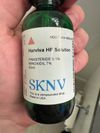
A person is seeking advice on saving their thinning crown and hairline before their wedding, currently using a topical solution with 0.1% finasteride and 7% minoxidil. They are open to trying oral treatments and are considering using Hims for convenience, with no cost concerns.
The user experienced severe side effects from finasteride, including cognitive and sexual issues, despite its effectiveness for hair growth. They are considering switching to RU58841 and seek insights from others who have made a similar change.
Taking dutasteride daily with finasteride is more effective in reducing hair loss and itching than taking dutasteride four times a week. The combination reduces shedding and anxiety.
The user is considering switching from Finasteride to Dutasteride for better hair regrowth, despite concerns about potential shedding and side effects. Opinions vary, with some suggesting the switch for stronger results and others advising caution due to possible side effects and the importance of consulting a doctor.
The user experienced significant hair regrowth using a regimen of topical Minoxidil and Finasteride, oral Finasteride, weekly microneedling, and supplements over a year. They noted improvements in the crown and temples, with minimal side effects, and plan to continue the regimen.
A 34-year-old man plans to reduce his finasteride dose from 1 mg to 0.5 mg due to negative side effects like hormonal imbalances and seeks advice on managing these effects and potential alternatives. Suggestions include considering dutasteride as an alternative and noting that a new equilibrium with a reduced dose may take about two weeks.
A 35-year-old man is considering stopping Dutasteride and Minoxidil due to severe sexual side effects after 9 months of use. He is exploring alternatives like topical treatments, hair systems, or shaving his head.
The conversation is about a user's positive hair regrowth progress using 1.5 mg minoxidil and 1 mg finasteride over nearly five months. The user shares before-and-after photos, receiving praise and questions about their treatment and side effects.
A 27-year-old male is experiencing a recurring pattern of hair loss after 5 months of using oral minoxidil and finasteride, despite initial success. He is considering using topical androgen receptor blockers like RU58841, pyrilutamide, or clascoterone to address potential androgen receptor hypersensitivity.
The user is experiencing rapid hair loss despite using dutasteride, finasteride, and minoxidil, and is concerned about high estradiol and testosterone levels. They are advised to consult an endocrinologist for potential hormonal imbalances.
Switching from finasteride to dutasteride can worsen hairlines for some, as experienced by the original poster. Finasteride worked better for them, and they suggest returning to it if dutasteride causes hair loss.
A 19-year-old using finasteride for hair loss seeks advice on additional treatments. Suggestions include microneedling, minoxidil, and ketoconazole shampoo, with concerns about side effects discussed.
The user is using topical dutasteride, minoxidil, and spironolactone for hair loss, with positive results after adding spironolactone. Another user takes oral spironolactone, dutasteride, and finasteride, noting decreased libido but no major side effects.
A 24-year-old experienced significant hair regrowth using 1mg finasteride and 2.5mg oral minoxidil daily for four months, with minimal side effects. The results impressed many, and the user confirmed the treatments were prescribed by a doctor.
Dutasteride and finasteride for hair loss, with dissatisfaction expressed about dutasteride and consideration of switching back to finasteride. Users share varied experiences, noting individual responses to treatments differ.
Hair loss treatments include finasteride, minoxidil, microneedling, dutasteride, CB-03-01, RU-58841, and experimental options like KY-19382 and stem cell therapy. Some treatments are considered ineffective or risky, such as ketoconazole, PRP, and low-level laser therapy.
Dutasteride is effective for many in reducing hair loss and promoting regrowth, often with fewer side effects than finasteride. Combining it with minoxidil is commonly seen as a successful strategy, though results may take several months.
The user has been dealing with hair loss for 10 years, worsened by psoriasis, and uses minoxidil and finasteride. They seek advice on managing psoriasis and hair loss, with suggestions to see a dermatologist, try different shampoos, and be patient.
A user shared their five-year experience with finasteride for hair loss, noting positive results and no side effects. The discussion included debates on potential side effects like erectile dysfunction and the treatment's effectiveness.
A user shared their experience with hair loss treatments, including oral and topical finasteride, minoxidil, and Nutrafol, experiencing side effects like erectile dysfunction and reduced libido. They are considering adjusting their treatment plan and exploring other options like dutasteride, oral minoxidil, or a hair system.
Body hair transplants can be a last resort for hair loss, using body hair to fill scalp gaps, though it may not match scalp hair in texture or length. Minoxidil and finasteride are discussed as treatments, with varying effectiveness and side effects.
Nicotine use, especially from vaping, may worsen hair shedding and reduce the effectiveness of finasteride and dutasteride. Quitting nicotine seems to improve hair health.
Dutasteride significantly reduces DHT levels, potentially more effectively than finasteride, and is used to treat hair loss. Some users report side effects like reduced libido and mood changes, while others experience hair regrowth and increased testosterone.
A 22-year-old male experiencing hair loss suspects androgenetic alopecia (AGA) and possibly telogen effluvium (TE), with a noted improvement in scalp itch after adopting a gluten-free diet. He is advised to consider treatments like finasteride or minoxidil and to check iron and ferritin levels.
The user has been using 0.5mg daily dutasteride for a year without seeing progress and previously used oral finasteride and topical minoxidil. They are considering a hair transplant and discussing various treatments like scalp massages, derma rolling, and different medication dosages.
The user successfully managed hair loss using Finasteride, Minoxidil, Ketoconazole shampoo, and a hair mask, experiencing significant hair growth and improved density. They attribute their success to consistency, improved nutrition, and a dedicated routine.
Creatine does not cause hair loss, but it may accelerate hair loss in those predisposed to male pattern baldness. Finasteride users report mixed experiences with creatine, with some noticing no change and others experiencing increased shedding.
The user has been dealing with hair loss for six years using minoxidil, finasteride, and dutasteride without success. They are contemplating shaving their head due to continued hair loss and social anxiety.