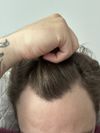
Hair loss discussion includes treatments Minoxidil, Finasteride, and RU58841. Prolactin's role in immune system's antitumor activity raises safety concerns for HMI-115.
The user experienced a panic attack after adding 5% topical minoxidil to their routine, which already included oral finasteride and minoxidil, and microneedling. They are seeking advice on whether microneedling increased absorption and if the anxiety attacks will subside.
The conversation discusses a user's plan to inject NAD+ and GHK-Cu into their scalp to improve hair health, with concerns raised about the risks of infection and necrosis. Alternatives like finasteride, dutasteride, microneedling, oral minoxidil, and scalp massages are suggested.
The potential of using a specific antibody, HMI-115, as a treatment for hair loss alongside traditional treatments such as minoxidil and finasteride. The user suggests trying either a 240 mg or 30 mg dose to see if it works.
The conversation is about the mental toll of hair loss and seeking alternatives to finasteride. Suggestions include using minoxidil, considering pumpkin seed oil, and possibly seeking counseling for body dysmorphic disorder.
The user is experiencing increased hair shedding, scalp sensitivity, and itching despite using finasteride for four months, and has tried various shampoos without relief. They are advised to consult a dermatologist for potential scarring alopecia and consider other treatments like adding Dutasteride.
The user is experiencing reduced hair shedding and increased hair density after using finasteride, minoxidil, derma rolling, granactive retinoid, and Nizoral, while also taking testosterone and aromatase inhibitors. They question if they are a hyper responder to the treatments, despite mixed feedback from others about visible progress.
A 20-year-old woman with androgenetic alopecia feels depressed about her hair loss, despite using topical minoxidil, spironolactone, and saw palmetto. Suggestions include trying oral minoxidil, higher doses of finasteride or dutasteride, and checking for vitamin deficiencies and heavy metal exposure.
Ultrasound imaging can non-invasively detect active and inactive hair follicles, inflammation, and fibrosis, potentially reducing unnecessary biopsies. It may help assess hair growth potential and diagnose scalp issues, but some users believe in trying treatments regardless of ultrasound results.
Switching from liquid to foam minoxidil led to hair loss for OP, possibly due to a second shedding cycle. OP experienced allergic reactions to propylene glycol in the liquid form, causing dandruff and itchiness, which improved after switching to foam.
The user tried pyrilutamide for hair loss and noticed reduced scalp itch and improved skin but stopped due to mild heart sensations. They plan to update after consistent use, noting improved sleep when applied at night.
A user recently started using nanoxidil 5% for hair loss, particularly on the hairline, and is seeking feedback or experiences from others. The conversation focuses on the effectiveness of nanoxidil.
Hair loss affects mental health, with negative comments from others being common. Treatments like finasteride and minoxidil are used, and some focus on self-improvement and humor to handle societal judgments.
The user is experiencing scalp itching from a PG ethanol base in their hair loss treatment, which includes 0.025% finasteride and 2.5% minoxidil, and is seeking alternatives without PG or ethanol. Suggestions include Zeuss non-PG foam and Ulo, which do not use PG or hydrocortisone.
A 30-year-old male with thinning hair and an itchy, oily scalp found that hydrocortisone cream eliminated dandruff and itching and seemed to thicken his hair. He avoided minoxidil and finasteride due to potential side effects and noted that Nizoral and Head & Shoulders worsened his symptoms.
Clascoterone is being discussed for hair loss, but its current acne formulation may not be suitable for scalp use due to potential skin irritation and lower dosage compared to Breezula. Users mention other treatments like finasteride, minoxidil, and pyrilutamide, with some expressing skepticism about clascoterone's effectiveness for hair loss.
Selenium sulfide shampoo helped with a sore scalp but may cause hair root damage. Users experienced hair loss with selenium sulfide and ketoconazole, suggesting reducing use if hair loss occurs.
User discusses potential hair loss treatment SCUBE3 and shares mixed opinions on its effectiveness. One user reports positive results after applying SCUBE3 following microneedling.
The user experienced severe scalp itching after using RU58841 and ketoconazole shampoo, despite trying moisturizing treatments. They suspect the issue is related to the propylene glycol in the vehicle and are seeking alternatives.
Hydrocortisone is not recommended for long-term use on the scalp due to potential side effects like thinning and steroid-related issues. Alternatives like foam minoxidil or oral minoxidil are suggested, though foam may be less effective.
The conversation discusses hair loss treatments, focusing on the use of topical minoxidil, microneedling, finasteride, and dutasteride, while debating the role of testosterone and DHT in hair loss. It also touches on the potential liver health impacts of these treatments and the genetic sensitivity of hair follicles to androgens.
DHT Itch and its link to balding, with various treatments such as finasteride being discussed. Members shared their experiences of scalp itch before and after taking 5AR inhibitors, and potential underlying causes such as seborrheic dermatitis were discussed.
Most scalp serums are ineffective for hair loss, with Nécessaire’s “The Scalp Serum” being the only one showing noticeable results, though it's not worth the cost. For androgenetic alopecia, clinical treatments like minoxidil and finasteride are necessary, while caffeine and capixyl may offer some benefits.
A 24-year-old with early hair loss is managing it with finasteride, minoxidil, and dutasteride, and is considering using a hair system for more styling options while maintaining transparency. They emphasize confidence and self-expression over hair, viewing it as an amplifier rather than a foundation.
The user is experiencing severe hair loss after surgery and stress, with thinning all over the head, including the sides and neck. They are unsure if it's due to DUPA or alopecia areata incognita, and doctors have not observed miniaturization.
The user has been taking 1mg finasteride daily for a year with no improvement in hair loss and reports low cortisol levels, sleep issues, and anxiety changes. The conversation includes discussions on the potential effects of finasteride on cortisol and neurosteroids, with suggestions to consult a doctor and consider other factors.
Minoxidil is causing severe scalp irritation, including itchiness and dryness, for the user. Alternatives suggested include anti-fungal treatments, propylene-glycol-free formulations, and possibly oral minoxidil.
A 30-year-old is using topical minoxidil 6% and finasteride for hair loss, showing significant progress over five months. They also use dermastamping, nizoral shampoo, and had a hair and scalp treatment.