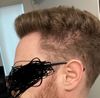
The user started using 0.1% finasteride and 5% minoxidil twice daily and experienced an itchy scalp. Suggestions include checking for allergies, dry scalp, or seborrheic dermatitis.
A 19-year-old male shared progress pictures showing hair regrowth on his scalp after starting a treatment with Minoxidil and Finasteride on November 24th. He noted improved hair texture and a halt in hair shedding for the past two weeks.
A user's results after 10 months of hair transplant surgery, which they had been taking care of with 0.5mg/day finasteride, 1x daily minoxidil and 1.5 times weekly microneedling treatments. One other user replied positively to the post.
The conversation discusses Shiseido's RepliCel Hair-01 technology for hair regeneration, which aims to stop hair loss with minimal regrowth. Treatments mentioned include Minoxidil, finasteride, and RU58841.
Hair loss is influenced by scalp tension, stress, and environmental factors, not just hormones. Treatments like tretinoin, microneedling, scalp massage, and Botox can reduce tension and improve hair health.
A user shared their experience with hair loss treatments, including finasteride, topical finasteride, derma rolling, melaleuca oil, caffeine powder, topical vitamin D, keto shampoo, and revive shampoo. They also changed their diet to address psoriasis and leaky gut.
An SSRI (paroxetine) reduced hair loss and itching for a user with male-pattern baldness, but liver issues forced discontinuation, leading to increased hair loss and anxiety. The user plans to try other anti-anxiety medications, noting stress and anxiety significantly impact hair loss.
A user experienced severe side effects from finasteride, including mental health issues and physical symptoms, and sought advice on managing post-finasteride syndrome. Suggestions included checking vitamin levels, considering dopamine agonists, and avoiding further psychiatric medications.
The user began experiencing hair loss a few years ago at age 22 and is a diffuse thinner with a Norwood scale rating of 2. They have a naturally athletic build and gain muscle easily, with a hairy chest and stomach.
Low testosterone and estradiol may contribute to hair loss, and blocking DHT without sufficient hormone levels might hinder regrowth. The discussion highlights the importance of hormone balance, with some considering supplements and lifestyle changes to support hair health.
A new hair growth product claims to use apple stem cells, plant collagen, and bamboo leaf extract, with a 120-day money-back guarantee. Some users are skeptical, noting the product's marketing alongside other treatments like Minoxidil, finasteride, and red light therapy.
Microneedling with exosomes is being considered for hair regrowth, but concerns exist about their effectiveness and safety, especially since exosomes degrade quickly and lack FDA approval. The user is seeking alternatives for non-responders to minoxidil and dutasteride, as exosomes may not provide additional benefits.
Affordable 92-LED caps may be more effective for hair growth than expensive 270-laser caps due to higher power output and irradiance. The LED caps deliver more energy to the scalp, making them a cost-effective alternative for red light therapy.
The user has been using finasteride for 7 months and is experiencing some regrowth but struggles with an oily scalp despite trying ketoconazole and salicylic acid. They are seeking advice on managing the oily scalp and are reassured by others that regrowth is visible.
The conversation is about a person struggling with hair loss and feeling frustrated comparing themselves to friends with thick hair. They started taking 1 mg Finasteride a month ago to address the hair loss.
User shared a 10-month update on using finasteride for hair loss, experiencing initial shedding but now seeing signs of regrowth. They expect further improvement over the next 8 months.
User experienced hair loss after using a dermaroller, onion juice, and ketoconazole shampoo, and later started finasteride. They are unsure if the hair loss is due to the dermaroller or ketoconazole and seek advice.
The user's experience with hair loss, their doctor explaining that they were likely hyper aware of thin spots due to anxiety and an underlying whorl in one area, and providing encouragement for those feeling discouraged. Treatments mentioned include minoxidil and spironolactone.
A South Korean company, Therazyne, has developed a promising hair loss treatment using a WNT chain surrogate that binds to Frizzled 7, with human follicle testing expected soon. Current treatments like minoxidil and finasteride are not seen as cures, and while optimism exists for future solutions like PP405, approval processes are lengthy.
A user shared their experience with a homemade essential oils shampoo for hair loss after stopping finasteride due to side effects. They reported healthier, shinier hair and new body hair growth but no scalp regrowth yet.
The user is experiencing chest sensitivity and muscle ache after using topical finasteride for a month and is concerned about potential gynecomastia. They are considering asking their doctor for blood work to check estrogen levels and are questioning whether to stop using finasteride.
The conversation is about the potential benefits of Rapamycin for hair pigmentation and regeneration, based on effects observed in mice. The original poster is seeking personal experiences from others using Rapamycin for longevity.
Red flags to watch for when choosing a hair transplant clinic, such as high-pressure sales tactics, unclear surgeon assignments, and unrealistic promises. A user shared a positive experience with Skin Medics UK, highlighting transparency and personalized care.
User questions credibility of a hair loss "cure" found by a non-expert and warns against wasting money on unproven supplements. Others discuss trying natural extracts and the importance of researching the enzyme 3ADH for potential hair growth benefits.
Adipose-derived stem cells with ATP improved hair regrowth in male and female mice with androgenetic alopecia. The most effective treatments were low dose stem cells with ATP for males and medium dose stem cells with non-liposomal ATP for females.
A young woman with genetically thin hair is stressed and embarrassed, seeking advice. Suggestions include seeing a dermatologist, using spironolactone, and minoxidil for hair regrowth.
Microneedling combined with latanoprost may convert vellus hairs to transitional or terminal hairs. The user suggests using oral minoxidil to increase vellus hair, then applying a high concentration of latanoprost with microneedling for conversion.
A 27-year-old is experiencing hair thinning and receding, currently using finasteride and planning to start minoxidil. They seek advice on hairline treatment options, including styling, PRP, peptides, and micro-needling.
A 21-year-old female is experiencing rapid hair shedding and receding hairline despite trying various treatments like hydration, vitamins, and castor oil. Medical tests showed normal results, and she seeks advice as the hair loss continues.