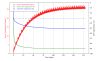
The user has been using liposomal topical finasteride since late 2022, progressively increasing the dose, but DHTserumlevels remain largely unchanged. Despite using finasteride, minoxidil, microneedling, and ketoconazole, hair condition has neither improved nor worsened.
The effects of smoking cigarettes on DHTlevels and its potential effect on hair loss, with some people sharing experiences in relation to their own hair loss. Various treatments for reducing or reversing hair loss were discussed, such as quitting smoking, minoxidil, finasteride and RU58841.
The conversation is about identifying ingredients in a scalp serum and their effects on DHTlevels. The serum contains various ingredients like Aqua, Biotin, and Oleanolic Acid.
A 23-year-old male has been using finasteride and topical minoxidil for 14 months with slight improvement, but recent shedding led him to switch to a new minoxidil formulation without success. He is considering using topical RU58841 or dutasteride to better address scalp DHT, as his bloodwork shows high total testosterone and mid-range DHTlevels.
The user is starting dutasteride mesotherapy and seeks information on checking serumDHTlevels in Germany. They previously tried finasteride but experienced unpleasant side effects.
Switching from finasteride to a generic dutasteride led to unexpectedly high DHTlevels, prompting a switch to a reputed brand and consideration of softgel capsules for better absorption. The user plans to retest DHTlevels and may return to finasteride if issues persist.
The user has been using dutasteride and finasteride but still experiences hair loss and high DHTlevels. They plan to try topical finasteride and RU58841 while continuing dutasteride to see if topicals are more effective.
Dutasteride mesotherapy may stabilize hair loss and improve hair without significantly affecting serumDHTlevels, but it can still have systemic effects. Users discuss using topical and oral dutasteride, with some experiencing side effects and considering hair transplants.
A Dutasteride Simulator predicts serum dutasteride, serumDHT, and scalp DHTlevels using models from research papers. It simulates various dosing schedules to determine steady-state effects and visualizes outcomes, including hair growth-related scalp DHT suppression.
The conversation discusses finding a finasteride dosage that reduces DHT by about 25% to minimize side effects, with considerations for topical versus oral formulations. Alternatives like dutasteride mesotherapy and topical treatments are explored, with concerns about systemic absorption and potential impacts on athletic performance and hormone levels.
Reducing sebum can indirectly lower DHTlevels, with treatments like accutane, tretinoin, and green tea extract acting as DHT blockers. Accutane can lower DHTlevels by reducing 5α-reductase activity, but its impact on hair varies.
The reduction in scalp oiliness is likely due to finasteride reducing DHTlevels and the use of ketoconazole shampoo. The combination of these treatments may have decreased sebum production.
The conversation discusses the fluctuation of testosterone levels in men under 40 and the difference between serumDHT and scalp DHT. It also mentions that DHTlevels are higher on Dutasteride than on Finasteride, which is unusual.
The conversation is about using vitamin C and Magnesium L-Threonate for hair growth by reducing DHT binding to dermal papilla cells. The original post about vitamin C's pH levels and sebum control was possibly removed by a moderator.
Hair loss treatments, specifically, discussing the effectiveness and side effects of finasteride, minoxidil, and RU58841 in various microdoses. It also includes an updated graph which provides information on how different doses affect DHTlevels, scalp skin and serum androgen levels, as well as hair count.
SerumDHT is mostly inactive; sebumDHT is a better measure for hair loss. Users discuss using finasteride, dutasteride, and topical treatments like KX826 and RU58841 for better scalp DHT suppression.
The conversation discusses starting finasteride 1mg daily for hair loss and mentions a high baseline DHTlevel. Users comment on the unusually high DHTlevel and its potential causes.
Creatine may increase DHTlevels, but its impact on hair loss is unclear and not well-studied. Many users report no significant hair loss while using creatine alongside finasteride, though some experience increased shedding.
A user experienced increased hair shedding and unchanged DHTlevels after taking 0.25mg of finasteride for 47 days, leading them to increase the dose to 0.5mg. Others discussed varying experiences with finasteride, minoxidil, and the importance of measuring scalp DHT.
A user increased their dutasteride dosage from 0.5mg to 1mg daily, resulting in a rise in DHTlevels from 148 pg/mL to 281 pg/mL, and is considering switching back to finasteride due to continued hair loss. Replies suggest retesting and emphasize the importance of bloodwork before starting treatments.
The conversation discusses the ineffectiveness of tablet forms of dutasteride for hair loss due to poor absorption compared to soft gel capsules. It suggests switching to FDA-approved soft gel capsules for better results, as tablets may not adequately suppress DHTlevels.
The conversation discusses the effects of lowering DHT on hair loss and the importance of monitoring DHTlevels during treatment. The user suggests that individual responses to DHT and hair loss treatments vary, and expresses a preference for topical treatments over oral medications due to concerns about systemic DHT reduction.
The impact of creatine on DHTlevels, and whether it could cause accelerated male pattern baldness (MPB). The user taking a 5 alpha reductase inhibitor found that their DHTlevels actually reduced despite taking creatine for nine weeks. Replies suggested looking into testosterone levels as well and debating the safety of creatine use in relation to MPB.
Topical finasteride affects serumDHT less than oral forms, while dutasteride mesotherapy may impact only the scalp with minimal serumDHT effects. Oral dutasteride once a week is suggested to have few side effects.
The user reported early stage diffuse hair thinning and increased DHTlevels after 4 weeks on Finasteride and 8 weeks on Finasteride plus 4 weeks on Dutasteride, despite the medications being authentic and stored properly. They are considering increasing their Dutasteride dosage due to the lack of side effects and are unsure if the treatment is helping their hair.
The user experienced hair shedding after starting testosterone replacement therapy (TRT) and is considering using DHT blockers like finasteride or dutasteride to address potential DHT-related hair loss. Low ferritin levels due to frequent blood donations may also contribute to hair issues, and the user is working on stabilizing iron levels.
Dutasteride raises scalp testosterone by 99%, which may not be ideal for those sensitive to all androgens. Some argue finasteride's balancing act might be better, while others believe dutasteride is superior for hair regrowth.
Dutasteride significantly reduces DHTlevels in hair follicles, potentially more effectively than previously thought. The discussion highlights differences in DHT measurements and the impact on hair loss treatment.
The user reduced serumDHT by 60% using Advanced Trichology's natural DHT blocker but saw no improvement in hair loss. They are considering switching to finasteride due to its proven effectiveness in inhibiting scalp DHT.