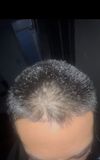
A user stopped finasteride after 15 years due to severe side effects, which improved after quitting. They maintained most of their hair and are considering alternatives like topical treatments or RU58841.
The user is considering switching from Minoxidil to Nanoxidil due to severe fatigue while continuing with Topical Finasteride and oral Dutasteride. They hope to maintain hair gains without the side effects of Minoxidil.
TE (telogen effluvium) is often misunderstood and is triggered by severe stress or trauma, not minor daily inconveniences. Most hair loss cases are due to male pattern baldness (AGA), and treatments like Minoxidil and finasteride can help.
A user stopped using minoxidil after 10-12 years due to severe side effects like fluctuating blood pressure and chest pain, resulting in significant hair loss. Other users shared similar experiences, emphasizing health over hair and suggesting alternatives like finasteride, nanoxidil, and rosemary oil.
A user on finasteride added dutasteride due to severe shedding and scalp issues, but didn't see reduced shedding. A dermatologist said finasteride doesn't reduce shedding but thickens hair, and another person confirmed shedding can continue but hair should improve over time.
A user started using Nizoral 2% to treat severe dandruff and asked about its application, potential hair dryness, and whether to consult a doctor. They have been using finasteride for hair loss since age 19.
A user experiencing significant hair loss found they had a severe vitamin D deficiency and was prescribed 50,000IU vitamin D pills, likely to be taken weekly. They are questioning if the deficiency could be the cause of their hair loss and if correcting it could stop the shedding and improve hair recovery.
A medical student experienced hair loss slowing with Finasteride but developed severe, treatment-resistant insomnia. They tried various medications with little effect, suspecting Post-Finasteride Syndrome, and others suggested the insomnia might be linked to Finasteride's impact on neurosteroids.
The user is allergic to minoxidil and experienced severe itching and redness. They are considering alternatives like finasteride, dutasteride, and dermarolling for hair loss treatment.
A user experienced significant hair regrowth from Xeljanz after severe alopecia but can no longer afford it. They are seeking ways to obtain the medication despite its high cost and potential side effects.
The user is experiencing side effects from fluridil after switching from finasteride due to severe side effects. They are uncertain whether to continue with fluridil, considering it might be their body adjusting, a nocebo effect, or a permanent issue.
A user experienced significant hair growth using oral dutasteride and minoxidil but developed severe erectile dysfunction, likely exacerbated by obesity and diabetes. They plan to lose weight and possibly adjust medication to alleviate side effects.
A 20-year-old female is using finasteride 5mg and spironolactone 100mg for severe hirsutism and is experiencing minor side effects like water weight loss and irregular periods. She is concerned about potential future side effects and hair regrowth on her scalp.
The user is currently using Minoxidil foam and Dutasteride daily but still experiencing severe hair loss. They are considering adding topical Finasteride, Fluridil, Microneedling, and Tretinoin to their treatment despite the high cost and are seeking suggestions.
A user shared their experience with finasteride, reporting severe side effects like erectile dysfunction and watery semen, which improved after stopping the medication. They emphasized the risks of finasteride and decided not to resume its use despite hair loss stabilization.
PP405 is a potential hair loss treatment showing promise, especially for men with severe balding. Some are hopeful it will be a game-changer for those who cannot tolerate finasteride or minoxidil, despite skepticism about the outcomes.
Prolonged use of topical minoxidil and finasteride can lead to neuroendocrine and autonomic dysfunction, causing severe sensitivity and side effects. Recovery involves avoiding these treatments, supporting neurosteroid recovery, calming the sympathetic system, and rebuilding scalp health naturally.
A user shared progress pictures after 16 months of using 1 mg finasteride daily and 2% ketoconazole and ZP shampoo. They experienced hair loss after severe weight loss and are concerned about potential shedding from starting minoxidil.
Post Finasteride Syndrome (PFS) is debated, with some users reporting severe side effects from finasteride, while others believe these effects are rare or psychosomatic. Treatments discussed include finasteride, minoxidil, and RU58841.
A user is concerned that finasteride isn't working after 4 months and is considering switching to dutasteride due to severe hair loss. Others suggest continuing finasteride, adding minoxidil, and being patient.
After 2 years of using finasteride and minoxidil with good results, the user is experiencing severe scalp itchiness, shedding, and tenderness. Despite dermatologists finding nothing wrong, the user seeks over-the-counter treatments for the itch.
The user shared their experience with liquid Minoxidil, which initially worked well but caused severe skin irritation, leading them to stop. They are now trying oral Minoxidil and plan to document their progress weekly.
The user started using minoxidil at 19 for receding temples and saw good regrowth, but experienced severe and lasting sexual side effects from finasteride. They improved their condition with pelvic floor exercises, a healthy lifestyle, and continued using minoxidil with dermarolling, which led to further hair regrowth.
A user is concerned about hair loss and acne from a one-week course of 70 mg/day oral prednisolone for severe tinnitus. They are asking if these side effects are common.
Dutasteride can significantly reduce sperm volume, with some users experiencing up to a 90% decrease. While some users report adaptation over time, others suggest switching to finasteride if side effects are too severe.
The user has been using 0.5 Dutasteride and 2.5 Oral Minoxidil for 5 months, along with The Ordinary Hair Serum, and is seeing gradual hair improvement. They skipped Finasteride due to severe hair loss and are considering a hair transplant if needed.
A product with Minoxidil, finasteride, and RU58841 may help with hair thinning, but effectiveness varies, especially in aggressive cases. More potent treatments might be necessary for severe androgenetic alopecia (AGA).
A user shared their 16-year hair loss journey using finasteride and minoxidil, noting slow hair thinning despite a family history of severe balding. They switched from topical to oral minoxidil but stopped for personal reasons, experiencing no significant side effects from finasteride.
Finasteride and dutasteride can cause psychiatric side effects like depression and suicidal thoughts in some users, especially those with a history of mental health issues. While some users experience positive hair growth results, others face severe psychological effects, raising concerns about their safety and the need for careful monitoring.
The user is experiencing worsening hair loss despite undergoing monthly injectable finasteride, clay masks, laser therapy, and microneedling. They are concerned about severe shedding in areas not typically affected by male pattern baldness and are considering seeking a second opinion.