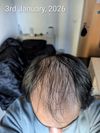
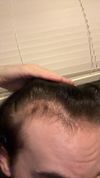
A 22-year-old male has been using oral finasteride for a year with no improvement in hairloss and was denied dutasteride by a dermatologist due to FDA approval issues but was prescribed oral minoxidil instead. The user is seeking advice on whether to switch to dutasteride, continue finasteride, or add minoxidil.
A 22-year-old shared a 3-month update on using oral minoxidil and finasteride for hairloss, showing significant improvement. Users discussed dosages, previous use of topical treatments, and the importance of finasteride.
A 56-year-old user shared progress pictures from January to June 2024, detailing their hairloss treatment journey. They used Nanoxidil, oral Minoxidil, Finasteride (later switched to Dutasteride), RU58841, and LLLT therapy, noting slow but visible improvements.
The user shared progress pictures after using Minoxidil and oral Finasteride for eight months to treat hairloss. They experienced significant hair regrowth, and the discussion includes various opinions on the necessity and effectiveness of these treatments.
A user shared their experience with Minoxidil 5%, reporting hair regrowth during use but significant hairloss after stopping. They resumed treatment and regained hair, noting that discontinuation leads to rapid hairloss and that scalp dryness was managed with oil.
A user shared their positive 6-month experience using Hims finasteride and minoxidil spray for hairloss, with others discussing the effectiveness and side effects of topical treatments. Instructions on how to use the spray were also provided.
A user shared a 60-day progress update on hair regrowth using only 5% Minoxidil foam once daily. Others suggested adding finasteride to address the underlying cause of hairloss and maintain long-term results.
The post and conversation are about a user's progress with microneedling and minoxidil for hairloss. The user is happy with the progress and plans to continue with the treatment, without using finasteride.
If you didn't tell them.
This conversation is about a user's progress with hairloss treatments using Minoxidil and Finasteride since November of the previous year, which have been successful so far. The other users were making jokes about ED referring to Erectile Dysfunction.
The efficacy of taking dutasteride, a medication used to treat hairloss, every other day instead of daily. It was suggested that taking 0.5mg daily for 3 months and then switching to 3 times per week would be effective. Finasteride was also discussed as an alternative treatment option.
Comparing the effectiveness of RU58841, Pyrilutamide and CB-03-01 as treatments for hairloss, with people discussing different aspects such as binding affinity, time of inhibition, safety data and cost.
Discouragement regarding Pyrilutamide, a drug in development for hairloss, and the potential side effects of Finasteride. People discussed anecdotal experiences with Pyrilutamide as well as suggestions to wait out Phase 3 trials before making any conclusions.
In this conversation, 4990 discussed various treatments for hairloss, including oral minoxidil, PRP, transplan, Jak inhibitors, Dutasteride, Finasteride, Olumiant, Ketoconazole, RU58841, microneedling, baricitinib, and CCCA. They recommended scalp biopsies in unclear cases of DUPA, twice weekly to twice daily shampooing for topical minoxidil users, and two sessions spaced one month apart with follow up at month three to determine the effectiveness of PRP treatment.
Guyman567 has been using oral finasteride and topical minoxidil for years but continues to experience hairloss and thinning, which has affected his confidence. He has tried various treatments including topical finasteride, microneedling, and vitamins, and is considering a hair transplant but is concerned about ongoing hairloss.
A 31-year-old uses Minoxidil, RU58841, Reviv Hair Serum, and Ketoconazole shampoo for hairloss but avoids finasteride. They plan to reintroduce red light therapy (LLLT) and Eucapil despite previous shedding concerns.
An 18-year-old male used anti-androgens and oral Minoxidil for 10 months to treat hairloss. He initially used 1mg Finasteride and 5% topical Minoxidil for 5 months, then switched to Dutasteride for 4.5 months and inconsistently used 5mg oral Minoxidil for 2 months due to availability issues.
The post and conversation are about the long-term side effects of using Dutasteride and Finasteride for hairloss, including issues like raised liver enzymes, high cholesterol, and loss of libido. The user advises regular blood work and careful monitoring for those using these treatments.
A 21-year-old has been using daily oral finasteride, minoxidil, biotin, and vitamins since January 2026 for hairloss, adding topical treatments and microneedling in May. They observed initial shedding and scalp issues but noted significant progress after adjusting their routine.
Young individuals with seemingly healthy hairlines are using treatments like finasteride, dutasteride, and minoxidil, possibly due to paranoia or proactive prevention of hairloss. Some believe social media influences this behavior, while others argue for waiting until actual hairloss begins before starting treatment.
A 36-year-old started using finasteride (0.3-0.5mg daily), 5% minoxidil foam, and weekly dermarolling/dermapen treatments to address hairloss. They also began taking supplements for low ferritin and vitamin D, hoping to improve hair thickness and cover a bald spot.
Many users criticize advice on forums that suggest shaving heads instead of trying treatments like finasteride for hairloss. They argue that maintaining hair is important for self-esteem and dating success, and that baldness often requires compensating with other attributes.
A user shared their 6-month progress using 1ml of Kirkland minoxidil daily and weekly 1mm dermarolling, noting no side effects and minimal shedding. They plan to consider finasteride or dutasteride after midterms, attributing hairloss to genetics.
A drug that regrows body parts, but not hair, sparking debate on hairloss treatments. Discussions include the use of finasteride, dutasteride, and the potential for new methods to restore hair.
A 21-year-old male experienced negative side effects from oral finasteride and is considering switching to topical finasteride or RU58841 after using oral minoxidil. He seeks advice on a standard hairloss routine, mentioning peptides, RU58841, and dermarolling.
People discussed using finasteride, minoxidil, and dutasteride for hairloss, with mixed results and side effects. Some had positive outcomes, while others experienced issues like libido changes and chose alternatives like hair systems.
The user shared progress after 9 months of using finasteride, minoxidil, and dermarolling for hairloss, despite some inconsistency in treatment. They are pleased with the results and plan to stop updating.
Using 2% ketoconazole daily can dry out the scalp; 1-2 times a week is recommended. Combining ketoconazole with treatments like minoxidil, alfatradiol, and fluridil can help manage hairloss effectively.
The user shared progress after 11 months of using 2.5 mg oral Minoxidil and 0.5 mg Dutasteride for hairloss, expressing satisfaction but considering a future hair transplant. Other users suggested additional treatments like Latanoprost and debated the effectiveness of hair systems versus medication, with some recommending a buzz cut or hair transplant for better results.
A 35-year-old man has been using Finasteride 1mg daily for 4.5 months with no noticeable effects on hairloss, and he is considering adding Minoxidil to his treatment. Other users suggest that significant improvements may take up to 18 months and recommend additional treatments like Minoxidil, microneedling, or switching to Dutasteride.