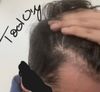
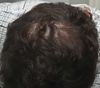
A 31-year-old is happy with hair regrowth and thickening after using 0.5 mg dutasteride daily and 5% topical minoxidil. Initial results appeared in six months, with continued improvement over time.
Diffuse thinning is unpredictable, and while some suggest treatments like finasteride or dutasteride, others emphasize acceptance as hair loss may continue. Some users share personal experiences with treatments like nizoral, scalp massage, and lifestyle changes, but results vary.
RU58841 is used by some for hair loss when finasteride and minoxidil are ineffective. Users report mixed results, with some experiencing side effects like chest pain and mood changes.
A 25-year-old is experiencing hair thinning despite using oral minoxidil, finasteride, and dutasteride, and is considering adding topical minoxidil. They also have seborrheic dermatitis and are advised to try ketoconazole shampoo or cream and possibly CBD with MCT oil.
Oral minoxidil caused changes in hair texture, making it curly, dry, and lifeless, raising concerns about whether this is a temporary phase or permanent. Users discussed potential side effects of oral minoxidil, including heart issues, and suggested consulting a dermatologist and monitoring health markers.
A 27-year-old male has been using 1.25mg finasteride for 5 months and 5% minoxidil twice daily for 2 months, along with biotin and vitamin D supplements, to improve hair growth. He reports some progress and side effects like reduced libido, and is considering switching to oral minoxidil and possibly adding dutasteride after a year.
The user experienced hair regrowth with dutasteride but later lost progress despite using minoxidil foam and dermastamping. Suggestions included reducing dermastamping frequency, conducting blood tests, and considering oral minoxidil or different brands of dutasteride.
A 22-year-old has been using minoxidil and finasteride for four years with limited success and recently added microneedling to their regimen. They have seen some hair regrowth and are advised to continue using minoxidil alongside microneedling and consider lifestyle factors like diet and stress.
Applying minoxidil to eyelashes is unsafe due to potential eye irritation and chemical burns. Safer alternatives include peptide serums, castor oil, or lash lifts/extensions.
Male pattern baldness can occur with or without an oily scalp, but an oily scalp and seborrheic dermatitis can worsen the condition. Treatments like finasteride, minoxidil, and ketoconazole shampoo are used, and managing diet and scalp care can help control symptoms.
The user is considering switching from finasteride and minoxidil to dutasteride for better hair regrowth results, as they are experiencing thinning and shedding despite current treatments. They have also tried microneedling, Clobetasol, and salicylic acid to manage scalp issues and inflammation.
A 19-year-old has been using a regimen of 5% topical minoxidil and 1mg oral finasteride for three months to combat early-onset balding. The user reports some progress and plans to continue the current treatment, while others suggest considering additional treatments like dutasteride for more aggressive cases.
RU58841 may help some with hair loss, but it can have side effects like heart pain. Dutasteride and finasteride can cause initial shedding, and results may take time.
Dutasteride is more effective than finasteride for hair loss, especially at the crown and midscalp, but both have similar side-effect profiles with low incidence of sexual adverse events. Improvement is measured visually, and significant results may take over 12 months to appear.
Topical finasteride with minoxidil effectively stabilized and thickened hair but caused side effects like brain fog, reduced libido, and emotional flattening, leading to discontinuation. The user switched to a new regimen including minoxidil, KX-826, and other treatments, noting improvements in libido and vivid dreams after stopping finasteride.
The user has been on 1mg finasteride daily for two years, experiencing initial shedding and some hairline recession, with limited regrowth. Suggestions include using oral minoxidil, switching to dutasteride, or considering a hair transplant for better results.
Liver problems may reduce the effectiveness of oral minoxidil due to impaired SULT1A1 enzyme activity, which is crucial for converting minoxidil to its active form. This reduction in enzyme function can significantly decrease the drug's effectiveness in promoting hair growth.
The user shared their hair regrowth progress using a combination of treatments including finasteride, dutasteride, minoxidil, tretinoin, Sulfogenz, KX-826, low-level laser therapy, and microneedling. They plan to continue medication for another year before considering a hair transplant, noting steady improvement but not major changes.
The conversation is about using minoxidil for diffuse thinning after finasteride showed no regrowth. Tips include applying minoxidil directly to the scalp, considering potential shedding, and being cautious with combining tretinoin due to possible irritation.
The user switched from finasteride to dutasteride and oral minoxidil, experiencing better hair maintenance and some regrowth. They also addressed vitamin deficiencies, which may have contributed to their progress.
Significant hair regrowth was achieved using EssenGen 6-Plus with 6% minoxidil and 0.05% finasteride, along with Nizoral shampoo, over 12 weeks. No side effects were experienced, highlighting the benefits of a low dose.
An 18-year-old male is experiencing hair loss and is using topical minoxidil and oral finasteride. He is concerned about continued shedding, mild sexual side effects, and whether to adjust his finasteride dosage.
Dutasteride is effective for hair loss but may cause side effects like decreased sperm count, which might not fully recover after stopping. Users discuss balancing dosages to minimize side effects while maintaining benefits.
A 25-year-old male is experiencing hair thinning at the hairline and vertex, considering using a dermapen or dermastamp, and seeking advice on whether to continue with natural remedies like onion juice and rosemary oil or start using minoxidil or finasteride. He is also looking for recommendations on microneedling devices.
The conversation is about a user's 5-month progress using topical Minoxidil (5%) and Finasteride (0.1%) twice daily, along with derma stamping, improved Vitamin D levels, and increased protein intake for hair regrowth. The user is considering dutasteride if progress plateaus and uses a sulfate and paraben-free shampoo.
A 23-year-old male has been using 0.25mg finasteride daily for 4.5 months to address early-stage male pattern baldness, with positive results and no significant side effects. He plans to continue with this dosage and may consider increasing it or adding minoxidil if necessary.
Choose a knowledgeable dermatologist to avoid ineffective treatments for hair loss. Finasteride, dutasteride, and oral minoxidil are more effective than topical versions and supplements like zinc and biotin are not helpful for balding.
Microneedling alone may slightly slow hair loss but doesn't promote regrowth or improve hair density. Combining treatments like finasteride or minoxidil with microneedling may yield better results.
An 18-year-old plans to start using minoxidil with dermastamping for hair loss but is delaying finasteride due to concerns about side effects and hormone effects. They are seeking advice on whether starting minoxidil without finasteride is a good decision.
The user experienced hair thickening and reduced shedding using minoxidil, finasteride, and dutasteride, with a switch from finasteride to dutasteride due to ineffectiveness. They also use a saw palmetto shampoo and take vitamin D3 supplements, while considering potential underlying causes like vitamin deficiencies and hard water buildup.