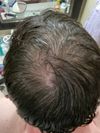
Finasteride improved hair density and changed hair texture from wavy to curly for the user. The user took 1mg of oral finasteride daily without using minoxidil.
The user experienced positive hair regrowth using finasteride for two years, with no side effects, and recently added minoxidil foam to address temple volume. Other users shared similar experiences with finasteride, noting varying results and some concerns about side effects, but overall satisfaction with hair maintenance.
The user shared their positive experience with hair regrowth using oral finasteride and minoxidil, noting significant progress after nine months despite initial doubts and side effects. They emphasized the importance of patience, consistent treatment, and lifestyle changes like reducing stress and improving health.
The user has been using finasteride, dutasteride, and minoxidil without success and is considering a comprehensive blood test to explore other causes of hair loss. They are unsure about the necessity and cost of the extensive tests and are seeking advice on whether to proceed with the full panel or focus on specific tests.
A 47-year-old male experienced significant hair regrowth over six months using 1mg oral finasteride, 5mg oral minoxidil, and 1ml 5% topical minoxidil, along with weekly derm stamping. He reported no major side effects, improved prostate health, and increased vascularity, with hair texture changes and minor nasal congestion.
The user experienced hair regrowth and thickening after using minoxidil for three months and finasteride for two months, along with vitamin D and iron supplements. They reported softer erections as a side effect of finasteride but found the hair improvements worth it.
A user shared their 6-month progress using oral finasteride and oral minoxidil for hair loss, reporting significant improvements with minimal side effects, such as slight erectile dysfunction that resolved. Other users discussed their experiences, concerns about side effects, and the effectiveness of these treatments.
Minoxidil and spironolactone are used for hair regrowth, with visible progress noted. Spironolactone is discussed as a treatment option, particularly in the context of transitioning, with concerns about its effects on men.
A 31-year-old experienced significant hair regrowth after switching to oral Finasteride but reported dull orgasms as a side effect. Users suggested waiting for the body to adjust, reducing the dosage, or switching to topical Finasteride to manage side effects.
The user experienced significant hair regrowth and thicker hair after 5 months of using oral Dutasteride and Minoxidil, with no side effects. They regret not starting the treatment sooner and encourage others to try it, noting the ease of obtaining prescriptions online.
The user has been using finasteride for three months without improvement and is considering switching to dutasteride due to ongoing hair shedding and side effects. They are also inconsistently using minoxidil.
Finasteride is commonly used for hair loss, with mixed experiences regarding sexual side effects. Some users report no issues, while others experience difficulties, but many find increased confidence and libido.
The user experienced significant hair regrowth after 5 months using finasteride, dutasteride, and oral minoxidil, despite initial side effects like erectile dysfunction, which resolved after switching from finasteride to dutasteride. The user reports full recovery of hair density and improved skin condition, though the right temple remains slightly recessed.
The user experienced significant hair loss after starting dutasteride, despite improved libido and gym performance. They previously used finasteride but stopped due to side effects and are considering combining treatments or a hair transplant.
The user regrets stopping finasteride and minoxidil due to side effects but plans to resume treatment. They consider using finasteride every other day and continuing topical minoxidil to manage side effects while maintaining hair.
A 25-year-old male experienced significant hair regrowth after taking 1mg of oral finasteride daily for six months, with no side effects reported. Previously, he had used finasteride combined with minoxidil but stopped all treatments for a year before resuming finasteride alone.
Vitamin deficiencies, particularly in vitamins A, B, C, D, and minerals like iron, zinc, and copper, can lead to hair loss. Dietary changes, such as eating more nutrient-rich foods, can improve hair health.
The conversation humorously discusses hair loss treatments, specifically finasteride, minoxidil, and dutasteride, and their prevalence in Japan. It highlights the common use of these treatments among Japanese salarymen and the ease of obtaining them online or through clinics.
The user has been using Minoxidil, vitamins, and a derma roller for 2.5 months with some regrowth observed. They are hesitant to add finasteride or dutasteride due to potential side effects, considering topical finasteride as a safer option.
The user has been using topical minoxidil (5%) for two years and kx826/pyrilutamide for one year, after experiencing side effects from finasteride. They report positive results from the combination of minoxidil and kx826 in combating hair loss.
The user experienced significant hair regrowth using finasteride and minoxidil but developed erectile dysfunction. They are considering stopping finasteride and relying on minoxidil alone to see if the side effects improve.
Some users experienced side effects like low libido and erectile dysfunction with finasteride but found relief and hair regrowth with dutasteride. Others reported no issues with either drug, while some preferred dutasteride for long-term hair maintenance.
The user experienced significant hair regrowth and no side effects after 14 months of using oral dutasteride and topical minoxidil. They initially had side effects with finasteride but found success with dutasteride, noticing hair stopped falling out within a few months.
A user reversed severe hair loss with dieting, lifestyle changes, and topical minoxidil, highlighting reduced inflammation and body fat. The conversation debates finasteride's effectiveness and the impact of diet and lifestyle on hair health.
The user experienced thicker and healthier hair after 1.5 years of using finasteride daily, with no side effects. They plan to start minoxidil to enhance regrowth.
The user has been using dutasteride and minoxidil since March 2023, showing significant hair regrowth but still prefers a buzz cut due to uneven growth. Some users discuss side effects like reduced libido, while others suggest additional treatments like microneedling or hair transplants.
KX-826 is being discussed for hair loss treatment, with users debating between 0.5% and 0.9% solutions and foam. Some report side effects like headaches, while others see no changes; it blocks androgen receptors without reducing DHT levels.
The conversation is about a user's positive experience with finasteride and minoxidil for hair regrowth, despite experiencing decreased libido, leading them to reduce their finasteride dosage. Other users discuss their own experiences with these treatments, including shedding, libido changes, and preferences for oral or topical applications.
An 18-year-old is using a high-dose treatment for hair loss, including 2.5 mg dutasteride, topical minoxidil, and injectable GHK-Cu, despite minimal hair loss. Many users suggest reducing the dutasteride dose due to potential side effects and recommend starting with finasteride instead.
The user experienced significant hair regrowth after switching to oral finasteride and minoxidil in February 2025. They plan to stop using topical minoxidil gradually and have not experienced significant side effects from the treatment.