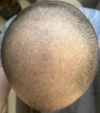
The conversation discusses using topical liposomal finasteride for hair loss, with concerns about high DHT levels. The user's DHT level is above the normal range, which may affect hair health.
A 19-year-old is considering switching from topical to oral minoxidil to combat hair loss, despite concerns about increased body hair. They are currently using minoxidil, ketoconazole shampoo, and dutasteride, and are willing to accept the trade-off of more body hair for better scalp hair growth.
A 28-year-old male using only oral finasteride 1mg since May 15, 2024, reports no side effects and significant hair improvement. He plans to continue finasteride for three more months and is considering adding D3+K2 drops, zinc, folate, and magnesium glycinate.
Switching from 2% liquid minoxidil to 5% foam minoxidil reduced scalp irritation but increased eyebrow flakiness and thinning. The user speculates that propylene glycol in the liquid formulation might have been protecting against seborrheic dermatitis while causing contact dermatitis.
The user experiences severe side effects from finasteride and dutasteride, including low libido and anxiety, and is currently using oral minoxidil despite shortness of breath. They are seeking alternative treatments for hair loss, having tried pyrilutamide, fluridil, and RU58841 with no success, and are considering future treatments or a hair transplant.
Exploring hair loss treatments beyond DHT, including Minoxidil, pyruvate, Gt20029 targeting androgen receptors, and vasodilators. Other options like Kx826, adenosine signaling, growth factor topicals, and microneedling are also discussed.
The conversation is about whether stemoxydine can shorten the dormant phase after a hair transplant, known as the ugly duckling phase. There is skepticism about whether it actually works as claimed.
User switched from finasteride and minoxidil to dutasteride, experienced side effects, then took dutasteride once a week with improved hair density. Another user had success with daily dutasteride, while one had no results from topical dutasteride.
The conversation discusses hair loss linked to BDNF-increasing nootropics like Semax and Lions Mane. Suggested topical treatments include capsaicin, beta-glucan, and ginseng to counteract TGF-B activation.
A 19-year-old with diffuse hair thinning and erectile dysfunction is considering starting Propecia (finasteride) while already using a minoxidil solution with anti-androgens. Concerns are raised about the psychological nature of erectile dysfunction and the potential systemic effects of anti-androgens, with suggestions to address porn addiction and consult a doctor about hormone therapy.
User deciding between oral and topical minoxidil, concerned about hypertrichosis and myocarditis interaction. They're using topical finasteride, LLLT, natural oils, dermastamping, and scalp massage, and considering adding oral minoxidil.
A 21-year-old male suffering from male pattern baldness is using topical finasteride and minoxidil, and oral minoxidil. His bloodwork shows normal DHT levels and slightly high testosterone, leading to discussions about the role of DHT sensitivity in hair loss, the potential impact of finasteride on his DHT levels, and the suggestion to proceed with oral finasteride due to his high testosterone.
A female user's six-month progress with only minoxidil and ketoconazole, including their experiences before and after using the treatments. They also discussed the differences between male and female hair loss and suggested that meds may offer more progress, though some results can be had without them.
GT20029 is a topical treatment that degrades androgen receptors to prevent hair thinning and loss, potentially offering fewer side effects than systemic treatments like finasteride. Concerns include its impact on hair texture and potential systemic effects, with market availability speculated in 3 to 5 years.
A 43-year-old male has been using oral minoxidil, finasteride, and dutasteride for hair loss, with some stabilization and thin hair growth but no significant cosmetic improvement. He is considering increasing microneedling frequency and exploring other options, as he is concerned about the lack of terminal hair growth.
The conversation humorously discusses hair loss treatments, including finasteride, minoxidil, and dermarolling, with users sharing personal experiences and side effects. Some users mention changes in hair and semen consistency, while others discuss male contraception methods.
Men should feel socially accepted wearing hair systems, similar to how women use extensions and makeup. Treatments mentioned include minoxidil, finasteride, and hair transplants.
The conversation discusses the progress and potential of hair cloning by Stemson Therapeutics, questioning if it will be realized in the next 5-10 years or if it's just false hope. Specific treatments mentioned include Minoxidil, finasteride, and RU58841.
OP experienced erectile dysfunction after taking a 0.5 mg dutasteride capsule for hair loss and is considering switching to finasteride. A user suggested consulting a dermatologist and possibly trying topical treatments if side effects persist.
Finasteride, dutasteride, and minoxidil are discussed as treatments for male pattern baldness. Finasteride and dutasteride are effective DHT blockers, while minoxidil is necessary for regrowth but must be used consistently.
Fluridil, an antiandrogen that is not widely used or known about due to its expense and lack of availability in the US. It is suggested as a potential alternative for people who don't want to lower their DHT through treatments such as Minoxidil, Finasteride, Nizoral shampoo, and Dermarolling.
Finasteride made the original poster feel better, with increased energy and less frequent urination, but they were advised to see a doctor due to potential prostate issues. Some users reported positive effects like increased libido and reduced anxiety, while others experienced negative side effects like brain fog and erectile dysfunction.
A person experienced severe sexual side effects, including loss of libido and erectile dysfunction, after using finasteride and dutasteride for hair loss. They stopped the medications and sought advice, but recovery was slow and uncertain.
The conversation is about long-term finasteride use for hair loss, with users discussing periods of improvement and worsening, and considering switching to dutasteride. Other treatments mentioned include minoxidil, red light therapy, microneedling, and scalp massaging.
The conversation discusses hair loss treatments, including the use of 2.5mg Dutasteride, 1mg Finasteride, and Minoxidil 5%, with concerns about side effects like water retention and facial changes. The user is considering alternative Minoxidil applications, such as microneedling and sublingual Minoxidil, to minimize side effects.
Follicusan DP is discussed as a potential alternative to Minoxidil without side effects, but information is scarce. It is noted to be of German origin and details on its mechanism are limited.
A user reports hair regrowth at the temples after starting 0.33g of finasteride every other day in January, combined with weekly microneedling sessions. They experienced sexual side effects at higher doses, which improved with a lower dose and supplements like broccoli extract and l-citrulline.
The conversation discusses using topical dutasteride with a dermapen for hair loss treatment. The user is deciding between liposomal and mesosomal formulations for this purpose.
Finasteride may seem less effective over time due to increased DHT sensitivity or aging, but it still suppresses DHT. Switching to dutasteride offers stronger DHT suppression but may increase estrogen levels.