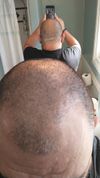
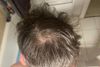
The user reported noticeable hair improvement over four months using 1 mg of finasteride and weekly microneedling. Progress photos from October 2024 to January 2025 show positive changes.
The user used microneedling, zinc, vitamin D3, biotin, magnesium, saw palmetto, pumpkin seed oil, and a DHT-blocker shampoo with biotin for hair loss. They are considering adding minoxidil due to stagnation in progress.
User fought hair loss with Derminator microneedling, topical and oral minoxidil, and a 2000 FUE hair transplant. Derminator was a game changer, preventing further loss.
The user has been experiencing prolonged hair shedding despite using Dutasteride, Minoxidil, and topical Finasteride, with blood tests showing high free testosterone and low SHBG. Suggestions include adjusting Minoxidil dosage, considering topical anti-androgens like RU58841, and addressing metabolic factors to increase SHBG.
The user underwent a biopsy two years ago and was diagnosed with keratosis pilaris, leading to hair issues. They tried treatments including Minoxidil, betamethasone, lymecycline, topical Accutane, and dutasteride, as well as diet changes, without improvement in hair thickness or skin dryness.
An 18-year-old male using minoxidil and finasteride is experiencing increased hair loss, possibly due to a shedding phase from finasteride. He also takes zinc, magnesium, calcium, and vitamin C, and is concerned about hair loss from his temples.
The user has been using minoxidil, microneedling, and finasteride for hair loss without improvement and is considering tretinoin, but concerns about shedding persist. Another user suggests trying dutasteride instead of finasteride, as both tretinoin and microneedling can irritate the skin.
User experienced scarring from microneedling at fast speed and paused treatment for 3-4 weeks to recover. Advice given includes waiting a full month for recovery to avoid scars.
The conversation is about hair regrowth using high-dose dutasteride, oral minoxidil, and microneedling. Users discuss seeing tiny hairs and hope they will become terminal, with advice to use derma rolling weekly for better results.
The post discusses using microneedling alone for hair regrowth without finasteride or minoxidil due to side effects and dependency concerns. The user is also considering the "Zix" formula, acetic acid, topical zinc solutions, and lithium chloride.
A 25-year-old female is experiencing hair loss and has tried PRP, Minoxidil 5% with Biotin, and weekly needling sessions. Her doctor suggested switching to GFC treatment and stopping the needling sessions due to increased shedding, which may be caused by Minoxidil.
A 22-year-old has been using minoxidil and finasteride for hair loss with initial success, but later experienced increased shedding and no regrowth. They recently added vitamin D3 supplements and microneedling, which reduced shedding, but are seeking advice on regrowth, with suggestions to try tretinoin with minoxidil and consider dutasteride.
The post discusses Dr. Rassman's advice on microneedling for hair loss, suggesting holding a Dr Pen with 36 needles in one spot for 10 seconds. The conversation includes differing opinions on this method, with one user explaining the importance of dipping the pen rather than swiping to avoid abrasions.
The user experienced significant hair shedding and dryness after starting minoxidil 8 months post-hair transplant, despite using finasteride and oils like castor and pumpkin seed oil. They expressed concern over the loss of density and the appearance of a failed transplant.
The user is using a combination of 7% minoxidil, 0.2% finasteride, 0.5mg finasteride, RU58841, and daily microneedling but is not seeing hair regrowth after 5 months. Suggestions include being patient, reducing microneedling frequency, considering oral minoxidil, and possibly switching to dutasteride if no improvement after a year.
The conversation discusses choosing between titanium fixed needles and a pen with disposable needles for hair loss treatment at a 1.5mm depth. The preference is for disposable needles for better sanitization.
High-dose Lysine and Histidine supplements caused curly/kinky hair and shedding due to Elastin dysfunction. Minoxidil, white tea, and dark grape juice were mentioned as treatments to inhibit Elastase and mimic Lysyl Oxidase.
Microneedling may worsen hair loss due to potential scarring and inflammation, with some users suggesting caution and proper technique to avoid damage. Alternatives like Minoxidil, finasteride, and RU58841 are implied as safer options.
A user shared their experience with hair loss treatments, including topical minoxidil, finasteride, RU58841, and microneedling, noting significant hair regrowth except at the hairline. They plan to start oral minoxidil and switch to a combination treatment, while another user mentioned that some miniaturized hairs may not fully recover.
A user reported success with RU58841 and a 1mm derma roller for hair regrowth, noting significant improvement in hair density and reduced scalp visibility. They also mentioned using minoxidil and black castor oil in the past, with mixed results.
The user reported positive hair regrowth after 11 months on finasteride and 4 months of microneedling. Opinions in the conversation vary, with some endorsing microneedling as effective and others emphasizing finasteride as essential, while acknowledging that treatments may not work for everyone.
The user experienced worsening hair loss despite using finasteride, minoxidil, and microneedling. Suggestions included reducing microneedling frequency, switching to oral minoxidil, adding tretinoin, and considering dutasteride.
The user is experiencing increased hair shedding and thinning despite using Minoxidil, Finasteride, vitamins, zinc, microneedling, and Omega 3 supplements. They are seeking advice on whether this is normal and how to stop it.
PP405 shows promise in treating severe hair loss, with 31% of users experiencing over 20% hair density increase in four weeks, faster than minoxidil and finasteride. Some users are skeptical about the results' significance and long-term efficacy.
The conversation discusses using microneedling with copper peptides, specifically GHK-Cu, for hair loss treatment. Some users combine it with minoxidil and topical finasteride, applying peptides either topically or through injection.
A 22-year-old male experienced hair regrowth and improved hair health after using Minoxidil, Finasteride, and microneedling for nine months, with initial shedding but no significant side effects. Users discussed similar experiences with hair styling difficulties and shared tips for managing hair texture and side effects.
A user who has had positive results from using a regimen of microneedling, finasteride, minoxidil, peppermint oil, keto shampoo and DHT organic shampoo for hair growth. The conversation also addressed whether to use .5mg or 1mg of finasteride and the difference between dermapens and rollers.
Microneedling on the vertex may require trimming hair to ensure needles reach the scalp effectively. Using a needle length of 1.0–1.5 mm is suggested, and longer hair might get damaged if not cut.
Users discussed hair loss treatments, specifically 0.1% latanoprost with melatonin, caffeine, and biotin. Other treatments mentioned include minoxidil, finasteride, RU58841, and microneedling.