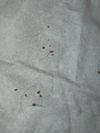
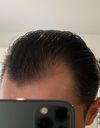
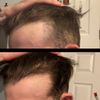
After a second session of Platelet-Rich Plasma (PRP) treatment for hair regrowth, the user is experiencing increased shedding of thick and dark hairs and is concerned about whether this is temporary. They are seeking others' experiences with PRP, specifically regarding the duration of shedding and eventual positive outcomes.
A user with long-term hair loss has been using topical minoxidil, finasteride, RU58841, ketoconazole, and dermastamping for 8 months. They are unsure if the new hairs are miniaturized or vellus.
The user experienced hair regrowth with finasteride and minoxidil but faced shedding after stopping the treatment. They resumed the treatment and used Toppik hair fibers to mask hair thinning during the shedding phase.
The user is experiencing one-sided diffuse thinning and has been using finasteride and liquid minoxidil for 4-5 years with minimal results. They are considering whether to save for a hair transplant or address scalp sensitivity and irritation first.
A 28 year old male experiencing diffuse thinning, chronic dandruff and scalp crust (seborrheic dermatitis), with replies discussing the use of topical fin for hormone imbalances and Nizoral for seb derm.
Hair loss was triggered by a testosterone and Masteron cycle, causing scalp tension and shedding. Topical finasteride, RU58841, and oral minoxidil were used to stop shedding and improve scalp condition.
The user is preparing for potential future hair loss treatments and currently uses topical minoxidil, derma rolling, and ketoconazole shampoo. They are concerned about shedding, side effects, and the possibility of starting finasteride or dutasteride along with testosterone.
The user switched from topical to oral minoxidil to improve hair regrowth but experienced significant shedding after one month. They are considering continuing oral minoxidil for six months before deciding whether to switch back to topical if no improvements occur.
The user has been experiencing prolonged hair shedding despite using Dutasteride, Minoxidil, and topical Finasteride, with blood tests showing high free testosterone and low SHBG. Suggestions include adjusting Minoxidil dosage, considering topical anti-androgens like RU58841, and addressing metabolic factors to increase SHBG.
The user experienced increased hair shedding after one month on 0.25 mg finasteride, despite initial improvement. This shedding may be a normal phase in the hair cycle and could improve in the coming months.
The user has been using finasteride for 6 months, experiencing hair regrowth at the hairline but thinning at the top and back. They are considering adding minoxidil to their routine to address the thinning and are concerned about potential shedding.
A user with seborrheic dermatitis is experiencing bald spots and hair thinning despite changing their diet and taking oral minoxidil. Another user suggests using ketoconazole shampoo properly, using a scalp massager, applying rosemary/peppermint oil, keeping hair short, and taking fish oil to improve scalp health.
People using finasteride and minoxidil for hair loss experience multiple shedding phases, with some reporting regrowth and improved self-esteem, while others struggle with ongoing hair loss. Despite the challenges, many find the treatments worthwhile, though results vary.
A user shared their hair loss treatment routine, which includes oral and topical Minoxidil, dermarolling, Keto shampoo, multivitamins, Biotin, oils, protein intake, and water. Another user suggested adding finasteride and continuing the routine for 6-12 months.
A 27-year-old is using finasteride, minoxidil, microneedling, and Pilexil shampoo to combat hair loss, with plans to add Nizoral shampoo and light stimulation. Initial results show reduced hair loss and some hair thickening, despite a period of shedding.
The user experienced significant hair regrowth using oral finasteride, minoxidil twice daily, ketoconazole shampoo, and microneedling, despite heavy shedding. They stopped using topical finasteride due to discomfort and maintained progress with their current routine.
A user shared their 6.5-month experience with topical finasteride (2%) and minoxidil (5%), noting initial progress followed by a significant shedding phase. Others in the conversation reassured that shedding is normal and suggested staying consistent with the treatment for potential regrowth.
A user has been using peppermint oil with caffeine on their scalp and is experiencing more visible scalp, questioning if it's a shedding phase or ineffective treatment. Another person suggests the peppermint oil is not working and the user is naturally losing hair, implying that more established treatments like minoxidil or finasteride would be preferred.
The user is experiencing ongoing hair shedding despite using oral minoxidil, topical and oral finasteride, magnesium, and vitamin D3. They are advised to stick with oral finasteride and topical minoxidil for a year, as frequent changes might affect results, and are reassured about future hair cloning advancements.
The user switched from finasteride from Ro to Amazon pharmacy and noticed increased hair shedding and thinning, questioning if it's normal shedding or if they need to adjust their treatment. They have been using finasteride and topical minoxidil for 6-7 months without seeing regrowth or shedding initially.
A user is experiencing hair thinning on the sides while wearing a hair system and has had a transplant to correct temple peaks. They are using finasteride, oral minoxidil, and rosemary oil serum, and are considering a corrective transplant to add density and achieve a natural look.
The user is experiencing increased hair shedding after starting finasteride at 0.25mg daily, and others suggest this is normal and will improve over time. Recommendations include continuing the current dose, considering minoxidil, and being patient as shedding can last several months before improvement.
Hair loss treatments, specifically trying Minoxidil and finasteride combined with other methods such as microneedling and diet changes. Suggestions for coping strategies have also been offered.
The user is experiencing flaking and shedding while using oral finasteride and minoxidil, which might be seborrheic dermatitis. A suggestion was made to try ketoconazole shampoo or cream and consider CBD with MCT oil, as shedding is common when starting these treatments.
8 months post hair transplant, OP experiences asymmetrical shedding despite using finasteride and starting minoxidil. The doctor suggests it might correct itself or be due to transplant trauma, recommending a wait-and-see approach.
The user experienced hair loss improvement with minoxidil, finasteride, dutasteride, and keto shampoo but began shedding again despite medication changes. Other users suggest sticking to a consistent treatment plan and checking vitamin levels, as deficiencies can contribute to hair loss.
Seborrheic dermatitis can cause hair loss, and treatments like ketoconazole shampoo, topical steroids, and oral antifungals may help. Some consider using finasteride and minoxidil for hair loss despite dermatitis.
A 24 year old female experiencing rapid, unexplained hair loss over the course of two weeks and looking for advice. Treatments suggested include Rogaine, finasteride, minoxidil, RU58841, and seeing a dermatologist.
Using a mix of castor, rosemary, and peppermint oils may cause increased hair shedding during washing, possibly due to the need for more rigorous cleaning. The user experiences no irritation but notices more hair fall when using these oils.