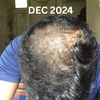
The user is using finasteride and topical minoxidil for hair loss after previously trying them separately without success. They are experiencing a sheddingphase but are committed to the treatment.
The user has been using minoxidil for almost 6 months and finasteride for almost 4 months, experiencing significant shedding and minimal stabilization. They are considering switching to dutasteride if no improvements are seen and are advised to be patient, as results may take up to 2 years.
The user is experiencing a difficult sheddingphase after starting a hair loss treatment with oral finasteride, topical minoxidil, and microneedling. Despite the shedding, they remain hopeful for regrowth and plan to continue the treatment, encouraged by others' positive results.
The user experienced hair shedding with finasteride and found minoxidil helpful for regrowth but insufficient alone. They are considering dutasteride but are concerned about potential shedding similar to their experience with finasteride.
A 20-year-old started using minoxidil, rosemary oil, Alpecin caffeine shampoos, scalp massager, derma rollers, and supplements for hair regrowth, seeing significant improvement initially. However, after 6 months, they noticed increased shedding and thinning, causing concern about whether this is normal or indicative of a problem.
The user experienced regrowth and stabilization in hair density using finasteride, minoxidil, a derma roller, and an LLLT helmet, but noticed a recent decline in hair quality. They only take finasteride orally and are unsure about the effectiveness of the LLLT device.
The user started using 2.5 mg Minoxidil and 1.5 mg Finasteride five months ago, experienced initial shedding, saw progress, but is now concerned about recent hair loss. Another user reassures them that shedding is normal and suggests continuing the treatment.
The conversation is about hair loss treatment progress using oral finasteride, topical minoxidil, and microneedling. Users discuss experiencing sheddingphases and the importance of trusting the process for hair regrowth.
The user is using Dutasteride, Minoxidil, microneedling, RU58841, and tretinoin for hair loss. They are experiencing shedding but notice new hair growth and are curious about the timing of future sheddingphases.
Increased scalp itching during sheddingphases while on finasteride treatment may coincide with hair regrowth and recovery. This suggests that itching might not always indicate continued hair loss and could encourage persistence with the treatment.
A user is considering switching from finasteride to dutasteride due to unsatisfactory results and is concerned about experiencing another sheddingphase. Another user recently made the switch and will update on their experience.
The user experienced hair loss since 2021, tried various treatments, and is currently using oral minoxidil and finasteride since December 2024. They are experiencing shedding, which is common when starting or stopping treatments, and are advised to continue the current regimen as it may stabilize over time.
The conversation discusses the challenges and experiences of using minoxidil, finasteride, and dutasteride for hair loss, focusing on the sheddingphase and its impact on hair appearance. Users share their personal experiences, side effects, and hopes for improvement, with some considering or having undergone hair transplants.
The user experienced increased hair shedding after using RU58841 for two months, but found relief from scalp itchiness. Other users shared similar shedding experiences and discussed side effects like joint pain, while also mentioning the use of finasteride and minoxidil.
The user stopped using minoxidil due to scalp issues and switched to finasteride, noticing thicker hair initially but experiencing hair loss again. They are considering restarting minoxidil but are concerned about the sheddingphase, especially with upcoming vacation plans and a potential second hair transplant.
Minoxidil and finasteride can both cause initial hair shedding, but they work differently; minoxidil promotes hair growth, while finasteride improves the hormonal environment. Starting finasteride after minoxidil may trigger additional shedding, but it often leads to improved regrowth.
The user stopped using oral minoxidil due to shedding and is continuing with oral finasteride and hair vitamins. They are advised that shedding is temporary and to maintain finasteride use, with examples of others successfully managing hair loss with similar treatments.
The user is considering switching from Minoxidil to dutasteride for hair loss treatment but is concerned about the potential for increased shedding. They are seeking advice on whether to wait for the current sheddingphase to subside before starting dutasteride.
A user is questioning if they are experiencing hair regrowth after using minoxidil for nearly three months, along with saw palmetto, pumpkin seed oil, nizoral shampoo, and dermarolling. They are considering starting finasteride in February.
A user has been using peppermint oil with caffeine on their scalp and is experiencing more visible scalp, questioning if it's a sheddingphase or ineffective treatment. Another person suggests the peppermint oil is not working and the user is naturally losing hair, implying that more established treatments like minoxidil or finasteride would be preferred.
The user experienced hair regrowth with finasteride and minoxidil but faced shedding after stopping the treatment. They resumed the treatment and used Toppik hair fibers to mask hair thinning during the sheddingphase.
The user experienced significant hair shedding in the second week of using pyrilutamide, more so than with finasteride and minoxidil, and reported a headache after the first application. They believe the treatment may be working but acknowledge it's too early to confirm results.
The conversation discusses hair regrowth using minoxidil, with suggestions for women to use spironolactone and for men to combine minoxidil with dutasteride. Users share experiences and advice on dosage and cost-saving methods.
Hair loss treatments Finasteride and Dutasteride may cause shedding, but it's a good sign as miniaturized hairs are replaced by thicker ones. Shortness of breath may be experienced from Dutasteride or oral Minoxidil.
The user has been using minoxidil on their hairline for about six months and is also on finasteride. They are considering applying minoxidil to the rest of their scalp to improve hair density but are concerned about potential shedding.
The conversation is about someone using minoxidil, biotin, a laser cap, and a derma roller for hair loss, and considering finasteride. Some users are skeptical about the treatments, while others advise patience for results.
The user experienced a second sheddingphase at 7 months while using topical finasteride and minoxidil, which is considered normal. The second sheddingphase typically doesn't last as long as the first.
The user is experiencing diffuse thinning after 10-11 months on oral finasteride and is concerned about whether this is a normal sheddingphase. They have been using topical finasteride and minoxidil for over a year.
A user experienced initial success with finasteride, noticing reduced hair fall and stronger hair, but later faced a heavy sheddingphase. The shedding has since slowed, and they are seeking advice on what to do next.
The user is experiencing significant hair shedding after starting RU58841, despite using dutasteride and oral minoxidil for over a year without stabilization. Others suggest continuing the treatment as shedding can be a normal phase, but caution that RU58841 is unpredictable.