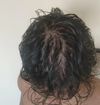
The user, SnooDonuts9235, shares their positive experience with a hair transplant and using topical finasteride and minoxidil. They express concern about increased shedding and ask if it is normal. Other users compliment their results and ask about the clinic and procedure details. SnooDonuts9235 encourages others to consider a hair transplant even without taking oral finasteride and shares that the procedure was not as scary as they initially thought.
A user experienced significant hair shedding after three years on finasteride, possibly due to stress or whey protein, and sought advice. Others suggested it might be a temporary shed, recommended monitoring for deficiencies, and mentioned adding dutasteride if needed.
The conversation discusses hair shedding after starting a treatment regimen including topical dutasteride, RU58841, minoxidil, and keto shampoo. Shedding is considered normal, and users suggest adjustments like increasing dutasteride dosage or using oral medications for better results.
Minoxidil can initially cause hair shedding but often leads to increased hair count over time, with some users experiencing noticeable improvements within weeks. Combining Minoxidil with Finasteride may enhance hair health, though individual results vary.
The user is experiencing increased hair thinning and shedding despite using oral dutasteride, oral minoxidil, topical dutasteride, and ketoconazole shampoo. Many recommend considering a hair transplant or embracing baldness, as current treatments seem ineffective.
The conversation is about a user experiencing hair shedding after starting a treatment with oral minoxidil, topical minoxidil, and finasteride. Other users reassure that shedding is normal and part of the process, suggesting it will lead to stronger hair growth.
Dutasteride significantly improved hair health and reduced shedding for a woman with PCOS and hyperandrogenism, without causing depression or anxiety, unlike finasteride. Dutasteride also helped with PMDD symptoms and had no side effects, though it changed hair texture.
Finasteride use led to increased body hair and shedding, possibly due to Reflex Hyperandrogenicity. The user is considering trying Finasteride again and seeks advice on whether to proceed.
The user switched from finasteride to dutasteride after 1.5 years with no results and is experiencing shedding, hoping for improvement. They also use minoxidil and ketoconazole shampoo but still have dandruff.
User experienced hair loss after starting dutasteride, but saw regrowth with finasteride. They wonder if dutasteride can cause initial shedding but eventually lead to hair regrowth.
The conversation discusses hair shedding experienced by users on minoxidil and finasteride treatments, with some considering additional options like spironolactone and dutasteride. Many users report experiencing a second shedding phase but are advised to continue treatment as it may lead to thicker hair regrowth.
Low Vitamin D can cause hair shedding, and taking 5000 IU of Vitamin D daily reduced shedding significantly. Vitamin D deficiency is common and correcting it can benefit overall health.
Adding tretinoin to a regimen of minoxidil and finasteride led to increased hair shedding and worsened hairline for some users. Opinions vary, with some experiencing negative effects and others seeing no issues, but concerns about tretinoin's impact on hair loss are common.
Finasteride can cause initial hair shedding, which may indicate effectiveness, with improvements seen after 12-24 months. Some users enhance results by combining it with minoxidil and dermarolling.
The user experienced significant hair regrowth and reduced shedding after two years of using finasteride, minoxidil, and a laser helmet, along with maintaining scalp health with specific shampoos. Consistency and patience were key to their success, despite initial heavy shedding.
Creatine use is linked to increased hair shedding for some, especially those with DHT sensitivity, but experiences vary. Some users manage hair loss with treatments like finasteride, minoxidil, or dutasteride, while others stop creatine to reduce shedding.
Stopping minoxidil often leads to significant hair shedding, and recovery to baseline can vary, with some users reporting no full recovery. Combining minoxidil with finasteride may help maintain gains, but stopping minoxidil typically results in losing the hair regrowth it provided.
The conversation is about concerns over starting minoxidil due to the initial shedding phase, with minoxidil being the only available treatment option. Despite fears, shedding is a normal part of the process and indicates new hair growth.
The user started finasteride a month ago and experienced significant hair shedding, which is considered a sign that the treatment is working. Many users suggest combining finasteride with minoxidil and possibly shaving the head to manage the shedding phase.
A 20-year-old experiencing hair shedding after starting oral finasteride is advised to continue treatment and consider adding topical minoxidil. Shedding is normal, and patience is needed for hair regrowth.
A user experienced increased hair shedding and unchanged DHT levels after taking 0.25mg of finasteride for 47 days, leading them to increase the dose to 0.5mg. Others discussed varying experiences with finasteride, minoxidil, and the importance of measuring scalp DHT.
Increasing finasteride dosage can cause significant hair shedding initially. Users suggest adding minoxidil or switching to dutasteride for better results.
User shared 3-month progress using Minoxidil 5% and Finasteride 0.1%, switching brands after the first month. Replies suggest the progress is good, with concerns about patches and shedding.
Diet and lifestyle changes can reduce hair shedding but won't regrow hair lost to genetic male pattern baldness. Treatments like finasteride and dutasteride are necessary for significant hair regrowth.
Switching from finasteride to dutasteride caused significant shedding but minimal side effects. The user plans to continue dutasteride for 12 months despite concerns about hair density.
A 24-year-old experiencing severe hair thinning has been using minoxidil for 2 years but is still shedding hair. A doctor recommended plasma treatment over a DHT blocker for better and healthier results.
RU58841 may help some with hair loss, but it can have side effects like heart pain. Dutasteride and finasteride can cause initial shedding, and results may take time.
Stopping finasteride increased sex drive and improved mood but caused hair shedding and scalp irritation. Users discussed balancing hair preservation with side effects, considering alternatives like topical finasteride and minoxidil.
Oral biotin combined with topical minoxidil may increase hair growth rate, though the study was limited to healthy subjects and did not measure hair density. Some users report personal benefits from biotin, such as faster nail growth and healthier hair, but concerns about acne and study quality were also mentioned.