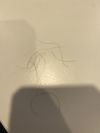
The user is experiencing hair shedding despite starting finasteride 4 months ago, with no signs of miniaturization. They are seeking advice after normal blood tests and similar family experiences.
The user experienced increased hair loss after increasing their minoxidil dose to 5mg and is considering switching to dutasteride while on testosterone replacement therapy. They are also using finasteride, microneedling, and considering adding Nizoral and caffeine serum to their regimen.
Increased hair shedding after 3 months of using 0.25mg finasteride, with thin, tapered hairs falling out. The user is concerned about the sudden change in shedding pattern.
A user has been on finasteride and minoxidil for a year, along with biotin supplements, microneedling, and ketoconazole, but is experiencing heavy hair shedding and is concerned about the treatment's effectiveness. They are seeking advice and experiences from others regarding shedding and potential signs of hair regrowth.
The user switched from topical to oral minoxidil to improve hair regrowth but experienced significant shedding after one month. They are considering continuing oral minoxidil for six months before deciding whether to switch back to topical if no improvements occur.
The user is experiencing hair shedding after using oral finasteride and topical minoxidil, questioning if this is normal. They are concerned about thinning at the hairline despite using these treatments.
A 24-year-old male started using finasteride and minoxidil for hair loss, noticing reduced hair fall but continued temple and frontal recession. He uses both oral and topical minoxidil, biotin, vitamin D, and coal tar shampoo, and experiences rare heart palpitations.
A 24-year-old male experienced increased hair shedding after switching to a new topical finasteride and minoxidil solution with a better carrier. He is concerned whether this shedding indicates progress or a setback in his hair loss treatment.
The user has been using finasteride for 8 years and started using minoxidil foam 5% twice daily with micro-needling since May 2025. They experienced significant shedding starting in July and are seeking information on how long the shedding will last and when to expect positive results.
The user is experiencing hair miniaturization despite using dutasteride 0.5mg daily and oral minoxidil 3mg daily for three months. They are advised to continue the treatment as full effects may take up to a year.
The user experienced increased hair shedding after one month on 0.25 mg finasteride, despite initial improvement. This shedding may be a normal phase in the hair cycle and could improve in the coming months.
The user experienced significant hair regrowth after using finasteride, minoxidil, and derma stamping, despite an initial heavy shedding phase. They also take omega-3, zinc, biotin, and folic acid daily, and report improved confidence and hair strength.
Increased hair shedding after starting Dutasteride is normal and indicates treatment efficacy, as it triggers a synchronized shedding phase to make way for stronger hair growth. It is advised to continue with the current treatment plan and assess results in 9 to 12 months.
Increasing the finasteride dosage from 1mg every other day to 1mg daily can cause increased shedding, which is normal as hair follicles adjust. Shedding may stabilize in a few weeks to months, and sticking with the new dosage could lead to better long-term results.
Dutasteride can cause hair shedding, which may start around the fourth month of treatment. The user is concerned about whether this shedding is due to the medication or the progression of hair loss.
The user started oral finasteride and minoxidil in November 2024, initially saw improvement, but has experienced increased shedding since April 2025. They are concerned the treatment may not be effective anymore and seek advice.
A 23-year-old male experienced initial success with finasteride, topical minoxidil, and ketoconazole for hair loss, but persistent shedding and scalp issues led him to switch to dutasteride without improvement. Users suggest stress management, addressing potential seborrheic dermatitis, and patience with the treatment process.
The user is experiencing severe hair shedding despite using minoxidil, finasteride, ketoconazole shampoo, and dermarolling. They are considering changing treatments after stopping dermarolling and switching finasteride brands worsened the shedding.
The user is experiencing a difficult shedding phase after starting a hair loss treatment with oral finasteride, topical minoxidil, and microneedling. Despite the shedding, they remain hopeful for regrowth and plan to continue the treatment, encouraged by others' positive results.
The user started taking 0.5mg of finasteride daily in July 2024 and experienced good results until December/January, but has been shedding hair for about 3 months since then. They are unsure whether to increase the dose to 1mg or continue with the current regimen.
A 20-year-old male experienced significant hair shedding for nearly 10 months, despite using finasteride, oral minoxidil, and ketoconazole, and is concerned about chronic telogen effluvium. He has been supplementing with vitamins and minerals but remains unsure of the cause.
The user is experiencing prolonged hair shedding despite using 1mg finasteride, 2.5mg minoxidil, and considering adding topical finasteride. They are also deficient in Vitamin D and B, and are exploring if supplements or dosage adjustments could help.
The user experienced significant hair shedding and an itchy scalp after using a combination of Finasteride, Dutasteride, and Minoxidil. They are seeking advice on whether Dutasteride might be causing these issues and are considering adjusting their treatment regimen.
The user experiences immediate hair shedding linked to stress, unlike typical telogen effluvium, and is seeking answers. A suggestion was made to use spironolactone and topical minoxidil to address potential DHT-related shedding.
The user experienced heavy shedding 10 months after a hair transplant and used a topical solution of Minoxidil and Finasteride, later switching to Finoduta. They also dealt with a dry scalp and greasy hair, using various shampoos and conditioners, and sought advice on whether the shedding was normal and how to manage the dry scalp.
A 16-year-old experiencing hair thinning noticed a shift from shedding long hairs to shorter hairs, while using Vitamin D, biotin supplements, ketoconazole shampoo, and improving diet. They are questioning if the short hairs indicate regrowth or androgenetic alopecia (AGA).
The conversation discusses the severe shedding caused by Minoxidil, with users sharing their experiences and outcomes. Some report eventual regrowth, while others see no improvement or worsening hair loss.
User has been shedding hair despite using finasteride for a year, increasing the dose recently, and experiencing thin, short hairs. Other users suggest continuing treatment, seeing a dermatologist, and note that some hair loss is normal.
The user experienced hair shedding with finasteride and found minoxidil helpful for regrowth but insufficient alone. They are considering dutasteride but are concerned about potential shedding similar to their experience with finasteride.
A user experienced continuous hair shedding for six months after using topical 5% minoxidil and 0.1% finasteride. They switched to minoxidil gel and oral finasteride 1 mg due to scalp itchiness and are seeking advice on their situation.