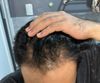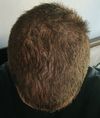
A user, aged 32, is treating hair loss with oral finasteride, topical minoxidil, Vitamin D3, and magnesium. They shave their head, condition daily, and wash their hair every three weeks.
The user experienced significant hair loss after initially successful treatment with minoxidil and finasteride, leading to a second shedding phase. They are considering switching to oral minoxidil for convenience and are advised to continue treatment despite the shedding, as regrowth is expected.
The user is experiencing increased hair shedding despite using oral dutasteride and a topical solution with minoxidil, finasteride, and tretinoin. They are considering switching to oral minoxidil while continuing dutasteride to address the shedding and seek advice on this potential change.
The user has been using 1mg finasteride and twice-daily topical minoxidil with tretinoin for a year and has now started taking 2.5 mg oral minoxidil in the mornings while continuing topical minoxidil with tretinoin at night. They are seeking feedback on whether others have experienced hair shedding with this regimen.
The user has been using kx826 for 10 months and topical minoxidil for 2 years, reporting slow but undeniable progress in hair regrowth. They experienced side effects from finasteride and do not use it.
A 35-year-old male uses topical minoxidil, spironolactone, and microneedling for hair loss, with spironolactone prescribed based on a DNA test indicating poor response to finasteride and dutasteride. Despite concerns about the test's validity and spironolactone's side effects, he reports stable or improved hair condition and no low testosterone symptoms.
The user stopped oral treatments due to side effects and switched to a regimen of topical minoxidil, tretinoin, azelaic acid, and dermaneedling, with recent addition of topical finasteride. They are questioning the long-term effectiveness of non-hormonal methods and considering hair transplantation.
Tretinoin can make minoxidil more effective for hair loss treatment, but some users did not see improved hair density with this combination and had better results with dutasteride.
The user started finasteride and minoxidil in December, increased the dosage after a few months, and noticed improvements around months 6 to 8 despite initial shedding. They experienced no side effects from finasteride but had to adjust minoxidil due to palpitations.
The user is experiencing significant hair shedding despite using 1.25mg oral minoxidil and 1mg finasteride daily for a year. They are advised to monitor health factors like vitamin levels and heart health, and consider increasing ferritin levels for optimal hair growth.
Using a topical formula with 5% minoxidil and 0.01% retinoic acid is considered effective, as tretinoin can enhance minoxidil results and improve scalp health.
The user has been using finasteride (1.25 mg oral) and minoxidil (5% topical) for 14 months, with recent addition of ketoconazole shampoo, and is experiencing ongoing hair shedding. Despite shedding, there is noticeable hair regrowth, though density remains a concern.
The user has been using a combination of Minoxidil, finasteride, microneedling, Nizoral shampoo, biotin, and multivitamins for 7 months to treat hair loss. They experienced shedding between months 5-6 but have noticed hair regrowth, especially around the crown area, and less shedding recently.
The user started using finasteride, minoxidil, and a dermaroller three months ago and has shown significant hair regrowth. Others are considering similar treatments, with some already starting minoxidil.
The user is experiencing heavy hair shedding and a receding frontal area despite using finasteride and minoxidil. They are considering switching to dutasteride for better results.
A 23-year-old male used 1mg finasteride and topical minoxidil for 90 days, experiencing hair growth and side effects like watery semen and lethargy. He advises continuing medication for hair growth and adopting healthy habits.
The conversation is about deciding between using minoxidil alone, a topical combination of minoxidil and finasteride, or topical minoxidil with oral finasteride for hair loss treatment. The user is concerned about hair loss progression and is unsure about the effectiveness of the brands available.
Switching from Kirkland minoxidil foam to a topical finasteride/minoxidil solution can cause significant hair shedding. The user also uses dutasteride, RU58841, and pyrilutamide in their treatment regimen.
A user shared a positive experience using Minoxidil (2.5mg) and Finasteride (1mg) daily for hair loss, noting initial side effects like numbness and reduced alcohol tolerance but overall hair improvement after a year. They also used rosemary shampoo and supplements, emphasizing the importance of consulting a dermatologist and maintaining a healthy lifestyle.
The user shared progress pictures after 4 months of using 5% topical minoxidil and microneedling for hair loss. They discussed their positive results and experiences with these treatments.
The conversation discusses using minoxidil and finasteride for hair loss, with concerns about absorption and considering adding tretinoin for better results. Microneedling is suggested as a method to improve absorption, with varying depths and frequencies recommended.
The conversation is about a hair regrowth regimen that includes using minoxidil, peppermint oil, a red light hat, and microneedling. The user is seeking advice on the effectiveness and frequency of these treatments.
The conversation is about using topical minoxidil and Nizoral shampoo for hair loss. It discusses whether to use conditioner with Nizoral and how to apply minoxidil without causing scalp irritation.
The user experienced hair thickening after two years of using finasteride and minoxidil, despite having a stubborn thin crown. They plan to try microneedling to potentially improve results further.
The user shared progress pictures showing hair improvement from using oral finasteride and topical minoxidil between September 2023 and May 2026. Responses express amazement at the results.
A user shared their positive experience with a 5% minoxidil and 0.1% finasteride topical serum for hair loss, noting improvements in hair density and new growth within 2.5 months. They also mentioned using red light therapy, vitamin D+K2 supplements, and an all-natural shampoo.
The user switched from 5% to 2% minoxidil due to a purchasing mistake and is concerned about potential hair loss or shedding. Suggestions include using 2% minoxidil more frequently or in larger amounts to compensate.
The conversation discusses switching from topical to oral Minoxidil for hair loss treatment, with the expectation of better results due to systemic delivery. The user has been using Finasteride, topical Minoxidil, and dermastamping, maintaining hair but seeking more regrowth.
A 30-year-old male is considering starting finasteride for thinning hair at the crown and is seeking advice on whether to add minoxidil. A user suggests using both treatments for better results.
A user shared their experience using 5% topical Minoxidil for 18 months and recently added 1 mg oral Finasteride daily, noting minimal results so far but expecting improvement. They mentioned challenges with application consistency and technique, and are hopeful for increased hair density.