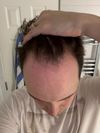
The user shared a 4-5 month update on using finasteride, minoxidil, vitamins, oiling, and microneedling for hair loss. They reported improved hair density and confidence but experienced unwanted hair growth, thin hair, itching, and a flaky scalp.
The conversation provides scientific sources on hair loss treatments like finasteride, minoxidil, and others, aiming to help individuals make informed decisions about their treatment options. It also discusses phytochemicals as alternative treatments due to concerns about side effects from drug-based therapies.
A user's experience taking finasteride, which resulted in them having an unexpected emotional reaction, and the replies to this post focus on the humorous aspects of cautionary tales about hair loss treatments.
A 27-year-old male is using a regimen of topical finasteride, minoxidil, ketoconazole, and biotin for hair loss, and has recently started oral finasteride despite previous side effects. He is considering shaving his head and is advised that a hair transplant might be possible once hair loss stabilizes.
The conversation discusses a 20-year-old transgender female's one-year experience with hair loss treatments, including Estradiol HRT, oral Finasteride, Bicalutamide, and Cyproterone. Specific treatments used for hair loss are oral Finasteride and potentially Estradiol as part of hormone replacement therapy.
In the post, Rauph talks about how both finasteride and minoxidil have been effective treatments for his hair loss, suggesting that they should be used by others in similar situations.
The conversation is about the anticipated release date of phase II results for a hair loss treatment called GT20029 and the cautious optimism surrounding it due to past disappointments with similar treatments. Users expect an update in the next few months.
The user is 10 days post-hair transplant, pleased with the results so far, and hopes for increased density. The procedure was done at Vanity Hospital in Istanbul, with around 3400-3750 grafts used.
The user underwent a DHI hair transplant with 3,066 grafts at Hairtec in the Netherlands and is using finasteride and minoxidil to restore hair, particularly at the crown. They plan to adjust minoxidil dosage and consult with a dermatologist in September.
The user is considering switching from a stamp to a pen for hair treatment due to poor results with the stamp. They are concerned about the availability of pen refills and are seeking better outcomes with the pen.
The conversation discusses using topical finasteride and minoxidil for hair loss, focusing on the crown and mid-scalp areas. The user is optimistic about seeing results in 3 to 6 months.
The person is considering shaving their head due to hair loss but is unsure about the decision and concerned about potential regret. They are not interested in medication due to side effects and cannot afford a transplant, seeking advice and personal experiences.
A Dutasteride Simulator predicts serum dutasteride, serum DHT, and scalp DHT levels using models from research papers. It simulates various dosing schedules to determine steady-state effects and visualizes outcomes, including hair growth-related scalp DHT suppression.
A user has been on finasteride for over 1.5 years but is still losing hair, so they're switching to dutasteride and taking both for 3 months before stopping finasteride. They're concerned about potential hair shedding during the switch even when done correctly.
A 19-year-old is using topical minoxidil 7% and finasteride 0.1% foam, along with a laser cap, to combat hair loss. They report progress despite initial shedding and are considering switching to oral finasteride in the future for convenience.
Hair loss treatments ExoFlo and XoFlo use exosomes from stem cells to stimulate hair growth. The user seeks feedback on results from those who tried these treatments.
User tried topical finasteride mixed with minoxidil, Nizoral shampoo, oral minoxidil, and FUE hair transplant for hair loss. User asks when it's safe to trim hair after transplant and considers trying RU58841 or pyrilutamide.
The user has been using finasteride and minoxidil for over a year and is seeing thin hair regrowth with some 1cm hairs still growing. They are considering a hair transplant and are taking zinc to manage side effects.
The user is considering increasing their dutasteride dose and trying clascoterone or RU58841 for hair loss stabilization. They have used finasteride, minoxidil, and dutasteride, with some success but recent setbacks.
A Silicon Valley-backed company aims to cure hair loss. Exciting advancements include mRNA therapies, gene editing, hair cloning, AR degraders, anti-androgens, cell-based rejuvenation, and AI-based drug discovery, with hopes for FDA approval of GT20029 within 10 years.
France is considering reviewing finasteride and dutasteride due to concerns about their safety, but a ban in the EU is unlikely due to regulatory hurdles. Many users express frustration over the potential ban, emphasizing the effectiveness of finasteride for hair loss and criticizing the influence of anecdotal evidence on public health policy.
The conclusion of this conversation about hair loss is that the user, y00sh420, tried various treatments including a $700 lllt helmet, topical minoxidil and finasteride, spectraDNC, and micro needling, but did not achieve the desired results. They have decided to stop trying until a cure for male pattern baldness is found. Other users expressed different opinions on hair loss treatments.
Discussing and researching different treatments for hair loss, including RU58841, Dutasteride, Spironolactone, Retin-A, Stemoxydine (Neogenic), Copper peptides, Superoxide Dismutase, NANO, and Eucapil.
The user has been using topical minoxidil and finasteride for six months and is seeing some hair regrowth. Other users suggest not to stop using the products as gains could disappear quickly, and some people respond better to topical treatments than pills.
The conversation is about skepticism towards a product marketed as a "DHT BLOCKER" for hair loss, with users suggesting it is a scam and recommending proven treatments like finasteride and minoxidil. Other suggestions include lifestyle changes like a healthy diet, exercise, and stress reduction.
A 19-year-old transgender individual is experiencing worsening temple recession despite taking female hormones and 1.25mg finasteride. They are seeking advice on additional treatments to address hair loss.
The user is pausing finasteride for blood donation and is concerned about its effect on DHT levels. They plan to supplement with saw palmetto and pumpkin seed oil during the pause.