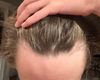
The conversation is about when GT20029, a hair loss treatment, might be available on the grey market, with users discussing the challenges of compounding it and speculating it might be available after phase 2 results, similar to pyri. Specific treatments mentioned are pyri, RU58841, and GT20029.
The conversation is about hair loss and the possibility of maintaining a full head of hair while using anabolic steroids. Some users believe that having good hair genes and taking hair loss protocols can help prevent hair loss while on steroids.
2-Deoxy-D-Ribose is discussed as a potential hair loss treatment, but skepticism exists due to lack of human testing. The original poster uses a combination of topical Minoxidil, oral Finasteride, topical RU58841, and other treatments, reporting some hair regrowth but not significant results.
The conversation discusses hair loss treatments, including finasteride, microneedling, minoxidil, and PTD-DBM. The user has not noticed significant regrowth and is considering cost-effective options like valproic acid.
NMN shows promise in promoting hair growth by reducing oxidative stress and weakening androgens. It may be a beneficial addition to hair loss treatments like Minoxidil and Finasteride.
The conversation is about selling KY19382 powder, a novel activator of Wnt/β-catenin signaling, and Kolliphor EL liquid for vehicle formulation. The seller offers worldwide shipping.
Treatments for hair loss, such as using AR receptor blockers and degraders, to see if follicles can regenerate in the long term. The conversation also discusses how hair transplants could be a potential solution.
The user is using oral minoxidil, ghk-cu, and HGH for hair regrowth, noticing small vellus hairs on the crown. They avoid traditional DHT blockers like finasteride due to side effects, despite skepticism from others about the effectiveness of ghk-cu.
Experimenting with trestolone as a treatment for hair loss in an attempt to avoid DHT-related treatments such as finasteride and dutasteride, and discussing the potential effects of its receptor selectivity on the androgen receptors in the scalp.
New hair loss treatments like PP-405, AMP-303, and SCUBE3 are being discussed, but none are confirmed to fully restore hairlines. Current treatments like Minoxidil, Finasteride, and RU58841 are still widely used, with some hope for future advancements in hair regrowth.
The post discusses the potential of GT20029 in treating hair loss, questioning if it will replace finasteride or be used alongside existing treatments. A reply indicates that its role is still uncertain.
Shah Rukh Khan's hair at 60 is attributed to genetics, with speculation about using finasteride, minoxidil, or hair transplants. Some believe it's due to good genes, while others think he might use treatments or have had hair procedures.
Using finasteride before a hair transplant can prevent further hair loss and make the transplant look more natural. Patients should continue using finasteride until hair cloning becomes available.
miR-205, a tiny RNA, can stimulate hair growth by softening aging hair follicle stem cells in mice. Future tests aim to see if this can work in humans.
Ashwagandha may cause hair thinning due to increased TSH levels, suggesting a link to hypothyroidism. Users are advised to consult a doctor for proper evaluation.
The conversation discusses a video about hair shedding related to finasteride and dutasteride, with some users debating the credibility of non-professional sources. The video is praised for compiling work by doctors and researchers, despite some users preferring content from licensed medical professionals.
The user experienced hair shedding after starting testosterone replacement therapy (TRT) and is considering using DHT blockers like finasteride or dutasteride to address potential DHT-related hair loss. Low ferritin levels due to frequent blood donations may also contribute to hair issues, and the user is working on stabilizing iron levels.
The conversation is about the availability of gt20029 for hair loss treatment, indicating that it will not be available for purchase soon. No specific treatments were discussed.
Pelage is recruiting for phase 2 trials, showing promise for treating bald regions. The discussion highlights its potential effectiveness based on its mechanism of action.
The conversation discusses potential hair loss treatments, including hair cloning, setipiprant, and topical finasteride, questioning their availability and effectiveness as permanent cures. The user is inquiring about the release dates and efficacy of these treatments.
The conversation discusses using a combination of finasteride, spironolactone, minoxidil, retinol, azelaic acid, and caffeine for hair loss treatment. The user inquires about the limitations of these drugs and whether tretinoin would be more effective than retinol.
RU58841 powder from a lab supplier was tested at a free drug testing service. The discussion includes using Minoxidil and finasteride for hair loss treatment.
The conversation discusses skepticism about group buys for hair loss treatments, highlighting issues with unverified chemicals and the risks involved. It suggests stabilizing with dutasteride and minoxidil, and considering a hair transplant instead of experimenting with untested products.
Scalp Botox may help hair loss by relaxing muscles and increasing blood flow, potentially benefiting conditions other than androgenetic alopecia. DHT affects hair follicles differently, causing tension and hair loss in some areas but not others.
L. reuteri, a probiotic, is being explored for its potential benefits in treating androgenic alopecia, possibly enhancing finasteride's effects and reducing inflammation. The user combines this with finasteride, oral minoxidil, and other supplements, noting some improvement in hair loss.
Ketoconazole shampoo is primarily used to reduce scalp fungus and inflammation, not to block DHT or androgen receptors. It may help with seborrheic dermatitis and improve scalp health, but its effects on hair loss are minimal compared to treatments like finasteride.