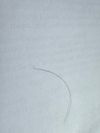
A user noticed their hair became curly after using ketoconazole shampoo and wonders if the shampoo caused the change. They like the new curls and want to maintain them.
The conversation discusses aggressive hair loss treatments, including finasteride, dutasteride, minoxidil, topical cetirizine, and experimental options like Estrogel, oh-flutamide, and RU58841. Users share experiences and suggest trying oral minoxidil and el cranell, noting the complexity and challenges of treating hair loss.
The post is about a user starting a hair loss treatment using finasteride, micro needling, and nizoral. The conversation includes supportive replies from other users.
The conversation is about hair loss treatments. The user considers using a foam with Saw palmetto, caffeine, and EGCG, but another user suggests just using finasteride.
User discusses Fermented Rice Water as a hair loss treatment, with one person claiming it helped regrow their hair. Others share their experiences and opinions, with some skepticism and alternative explanations.
Creatine may cause increased hair shedding due to androgen receptor sensitivity, despite limited evidence. The user is using dutasteride and minoxidil and seeks advice on whether shedding will stabilize, with suggestions including GHK-Cu and RU58841.
The conversation discusses hair regrowth using finasteride, minoxidil, ketoconazole shampoo (Nizoral), and microneedling as treatments. Users are sharing their experiences and results with these specific hair loss treatments.
The user experienced increased hair shedding after using expired minoxidil and switching from Kirkland to Equate foam. They are concerned about the shedding and are considering a hair transplant.
Hair cloning may become available in 1-2 years in Japan, but widespread availability and affordability could take 7-15 years. Current treatments like finasteride are effective but may lose effectiveness over time.
A user is concerned about the legitimacy of a hair growth serum called Lavdik, which they ordered after seeing an ad for Jemros. The product contains ginger extract, ginseng extract, fleece flower root, grape seed oil, glycerol, carbomer, propylene glycol, and rosemary oil, and the user is unsure if it is effective or a scam.
The conversation is about choosing between gray market Pyrilutamide and the official Kintor version for hair loss treatment. Users share mixed experiences, with some finding both versions effective and others not seeing results.
The conversation discusses a hair loss treatment routine using Minoxidil twice daily, Finasteride once daily, and ketoconazole shampoo twice a week. Users are supportive and curious about the start date of the routine.
The conversation discusses the presence of sulfates in Nizoral and Head & Shoulders shampoos. The user seeks advice on whether to return Head & Shoulders for a sulfate-free alternative and recommendations for a second shampoo/conditioner to alternate with Nizoral.
Ketoconazole 2% shampoo effectively regrew hair by treating scalp dermatitis and inflammation. The user also used jojoba and oat oil, Aveeno moisturizer, and hyaluronic acid for scalp care.
The user experienced significant hair loss after extended fasting, initially thought to be Telogen Effluvium, but later suspected male pattern baldness. They tried finasteride briefly but stopped due to concerns about side effects, and are unsure if the hair loss is due to Telogen Effluvium or another cause.
The conversation discusses hair loss treatments, specifically mentioning Minoxidil, finasteride, RU58841, and Xeljanz. The user inquires about Xeljanz and shares a link suggesting it may help with hair loss.
High-dose Lysine and Histidine supplements caused curly/kinky hair and shedding due to Elastin dysfunction. Minoxidil, white tea, and dark grape juice were mentioned as treatments to inhibit Elastase and mimic Lysyl Oxidase.
KX-826 did not maintain hair loss prevention for users. Some switched to Pyrilutamide but returned to Minoxidil and RU58841 due to worsening conditions.
The user experienced significant hair thinning despite using finasteride and minoxidil, leading to concerns about whether it's a temporary shed or a more serious issue. They plan to start using RU58841 and are advised to consult a doctor to rule out other causes like autoimmune disorders.
The user improved their hair density and reduced scalp visibility by using 1% ketoconazole shampoo, 1mg finasteride, and 5% minoxidil, which increased their confidence. Replies discuss the effects of these treatments, with one clarifying that minoxidil does not affect hormones but finasteride does.
The user shared their experience with hair loss treatments, including finasteride, minoxidil, and a detailed hair care routine involving conditioners, oils, and micro-needling. They reported significant improvement in hair thickness and reduced shedding after adopting these practices.
A user sharing their progress after using Fin, Minoxidil, keto diet, and microneedling for two months to attempt to regrow hair on bald temples. Other users replied with advice and support.
The conversation discusses a 24-year-old Korean man's progress with hair loss treatments over 8-9 months, with specific treatments not mentioned due to redacted information. Users are commenting on the effectiveness and inquiring if Asians have better results with hair loss treatments.
RU58841 caused severe side effects like heart palpitations and shortness of breath, leading the user to stop using it. Minoxidil and finasteride were effective without side effects, while RU58841's safety and effectiveness remain uncertain.
Ketoconazole, once popular for hair health, is now less mentioned, with mixed reviews on its benefits for scalp health. Microneedling is discussed as a potential alternative to traditional treatments like finasteride and minoxidil, with varied opinions on its effectiveness.
The post and conversation are about a hair loss treatment stack without finasteride or dutasteride. The suggested treatments include Alfatradiol, Koshine826, Ketoconazole lotion, Minoxidil, microneedling, Tretinoin, and Stemoxydine.
Shampoos, including those with ketoconazole, may offer mild benefits for hair health but are not effective for stopping hair loss or balding. Effective treatments for hair loss include finasteride and minoxidil, often used together, while shampoos are generally not on the scalp long enough to impact hair follicles significantly.
The conversation is a satirical discussion about a user joking that their dog is balding and needs hair loss treatments like finasteride, with others commenting on the creepiness of an AI-generated image of a dog with human features.
The conversation is about a hair loss treatment regimen including finasteride, oral minoxidil, Stemoxydine, a multi-peptide serum, and ketoconazole. A suggestion was made to add dermastamping and tretinoin.