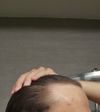
The conversation discusses using Shatavari, an Ayurvedic treatment, for hair loss. Other treatments mentioned include Minoxidil, finasteride, and RU58841.
The conversation discusses a user's unconventional hair loss treatment involving scalp massage, dermastamping, and pouring hot water to induce a burning sensation, with a warning not to try it without further evidence. Other users suggest more traditional treatments like Minoxidil and finasteride, while expressing skepticism and concern about the hot water method.
Ashwagandha may cause hair thinning due to increased TSH levels, suggesting a link to hypothyroidism. Users are advised to consult a doctor for proper evaluation.
OP is using scalp massages, dermastamping, and rosemary oil for hair improvement, with mixed opinions on effectiveness. Some suggest lighting affects perceived results, while others recommend treatments like finasteride, dutasteride, and RU58841 for better outcomes.
The conversation discusses using scalp massage, balms like Ethera and L'Occitane, and dietary changes such as rosemary tea and tofu to address hair loss. The user is also considering high-intensity interval training and slow breathing to improve hair regrowth.
The user is experiencing increased hair shedding, scalp sensitivity, and itching despite using finasteride for four months, and has tried various shampoos without relief. They are advised to consult a dermatologist for potential scarring alopecia and consider other treatments like adding Dutasteride.
The conversation discusses a user's experiment with using hot water and a dermastamp to reduce hair loss, improve dandruff, and promote new hair growth. The user advises caution and mentions not sharing photos until more progress is visible.
Using a mix of castor, rosemary, and peppermint oils may cause increased hair shedding during washing, possibly due to the need for more rigorous cleaning. The user experiences no irritation but notices more hair fall when using these oils.
A user experimented with applying hot water to their scalp to potentially stimulate hair growth, noting reduced dandruff but uncertain hair loss results. They started this method due to side effects from minoxidil and are considering taking a break to observe changes.
The conversation discusses hair loss treatments, including scalp massage, and the importance of blocking DHT for hair loss management. The user shares blood test results, which appear normal, and seeks advice on effective tests and treatments, expressing a preference for natural methods over medication.
The user started finasteride and derma rolling for hair loss, later switching to wet cupping therapy. They experienced initial shedding but reported thicker, healthier hair over time, using natural hair wash methods like Amla, Reetha, and Shikakai.
The user experiences scalp inflammation, especially when oily, despite using treatments like dutasteride, oral minoxidil, RU58841, and nizoral. They recently started cetirizine and are considering benzoyl peroxide wash for relief.
A user shared their 6-month progress using a dermaroller and a homemade shampoo made of rosemary water, aloe vera, and vitamin E for hair loss. They provided a link to photos showing their results.
The user has been using dutasteride, minoxidil with tretinoin, and ketoconazole shampoo for hair loss but hasn't seen improvement in temple areas. Suggestions include trying microneedling with minoxidil or considering a hair transplant, though temple transplants can be challenging.
The user noticed increased hair thinning and scalp redness on one side of their temple. They are seeking advice on what this could be and how to address it.
A user is experiencing temple hair recession and is seeking alternatives to finasteride. They are considering castor oil, coconut oil, and derma rolling, and have seen some improvement with Zenegen.
The conversation discusses a user's hair growth routine involving scalp massages, dermastamping, and rosemary oil, with mixed opinions on its effectiveness. Some users suggest proven treatments like minoxidil and finasteride, while others debate the merits of alternative methods.
Hair loss treatment involves gland treatment with iodine, liver extract, wild American ginseng, and black cohosh, along with crude oil scalp massage. The approach aims to stimulate hormones and improve blood circulation to promote hair growth.
The conversation discusses hair loss treatments, specifically using Minoxidil, finasteride, and RU58841. The focus is on progress observed at the temples after one month of treatment.
Finasteride and Ashwagandha are discussed as potential treatments for hair loss, with mixed opinions on Ashwagandha's effectiveness and safety. Some users report no benefits from Ashwagandha, while others caution against its use due to potential liver issues.
Ashwagandha topical formulation may increase hair density and reduce hair loss, but results seem too good to be true due to a small sample size. Users are skeptical about its effectiveness and are experimenting with different application methods.
The user shares their hair loss treatment routine, which includes topical minoxidil, botana oil, coconut moisturizer, derma stamping, derma rolling, 3% salicylic acid shampoo, and scalp massage. Suggestions include adding finasteride, switching to 2% ketoconazole shampoo, and using rosemary oil instead of botana oil.
The user is using a routine involving microneedling, Minoxidil with tretinoin, a red light cap, scalp massages, Nizoral shampoo, and essence oil shampoo to address hair loss, with visible progress noted. They are considering topical finasteride or dutasteride if progress slows but are cautious due to past side effects.
Derma rolling, pumpkin seed oil, and daily massages helped regrow weak hairs on the crown. Nizoral shampoo and yoga also contributed to reducing scalp pain and stress.
The user is experiencing diffuse thinning and inflammation despite using 2.5mg dutasteride daily, ciclopirox, and ketoconazole shampoos. They are considering treatments like hydroxychloroquine and JAK inhibitors due to suspected scarring alopecia and have faced challenges in obtaining a scalp biopsy.
The user is experiencing stage 2 hair loss and thinning, noticing more scalp visibility with short hair. They are considering diet, yoga, scalp massage, supplements, and a serum recommended by their doctor, and questioning if it's safe to stop using the serum and whether to get a blood test since hair loss isn't a family trait.
The user applies castor oil and uses silicon scalp massagers daily, questioning if the massages cause more hair loss or if the hairs would fall out naturally. They believe the hairs are in the telogen phase and would shed regardless of the massage.
A 33-year-old male experienced sudden, rapid hair loss, possibly due to a reaction to mentholated shampoo and undiluted tea tree oil, with a history of seborrheic dermatitis. He is currently taking finasteride, vitamin D3, a multivitamin, and biotin, and is seeking further medical evaluation.
Cold showers may improve scalp health for some, reducing itchiness and dandruff, but may increase dandruff for others while improving hair texture. Individual experiences with cold showers and scalp health vary.