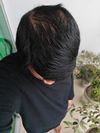
A 19-year-old noticed hair thinning and mild receding hairline, opting for a treatment regime excluding finasteride and minoxidil. The regime includes derma rolling, rosemary and coconut oil, a massage comb, a DHT-blocker shampoo, and vitamins B12 and Biotin.
KX-826 shows promise for hair maintenance at higher doses with minimal side effects, despite failing Phase III trials. The user believes it is more effective than Minoxidil, Finasteride, and RU58841.
The user is seeking an alternative to DualGen 15 that includes Minoxidil and Retinol but is less sticky and more convenient to use. They find the current product inconvenient due to its stickiness and long wait time before washing.
Koshine KX-826 has different versions, and the green version uses a plant-based carrier that may be less irritating for those sensitive to propylene glycol. Users report irritation with some versions of KX-826.
The potential hair regrowth benefits of ASC-J9, a synthetic modified version of curcumin that is said to be more effective than Minoxidil and Finasteride. Reports from users suggest good thickening and temple regrowth with topical use at 0.025% concentration.
AH-001 is a new topical treatment designed to degrade androgen receptors, targeting the root cause of androgenetic alopecia without the side effects of oral treatments like finasteride. It has shown a strong safety profile and good local tolerability in early trials.
An 18-year-old started using finasteride for hair loss, already seeing results from minoxidil but experiencing shedding. They also use castor, rosemary, and peppermint oils, dermarolling, and are questioning the need for Nizoral while on finasteride.
PP405 is a potential hair loss treatment, but its safety and effectiveness are uncertain. Users advise caution and suggest waiting for more data before purchasing unverified versions.
The conversation discusses buying RU58841 directly from a Chinese supplier for cost savings. It mentions that companies like Anageninc and Actifolic do the same.
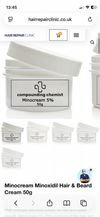
A user is considering switching from a 5% minoxidil spray to a minoxidil cream for easier application and less greasiness. They are inquiring about the Hair Repair Clinic 5% minoxidil cream, which includes optional tretinoin and other ingredients like isopropyl myristate and beeswax.
An 18-year-old shares two months of progress using a topical spray solution containing finasteride, ketoconazole, minoxidil, and biotin for hair loss, reporting minimal side effects and satisfaction with results. The user applies the solution daily to different parts of the scalp.
A user is combining RU58841 with a topical formula containing finasteride, dutasteride, minoxidil, triamcinolone, caffeine, and other ingredients. They have just started using it and report no side effects so far.
A user discusses the potential of caffeine and DMG in shampoo for treating hair loss, citing a pending patent and personal plans to test it. They find it more convenient than using minoxidil, tretinoin, and microneedling.
A 20-year-old shared their experience of reversing hair loss without using minoxidil or finasteride, instead relying on supplements like biotin, collagen, fish oil, saw palmetto, and various vitamins. They emphasized the importance of a balanced supplement schedule and noted improvements in hair health without experiencing additional shedding.
The conversation discusses potential hair loss treatments, including Setipiprant, Bimatoprost, and Follicept. The user encourages signing up for Follicept, which may come to market soon.
An 18-year-old is experiencing severe hair loss and dandruff, feeling stressed and unable to commit to Minoxidil or handle finasteride side effects. They have tried natural oils, anti-hair fall shampoo, and consulted a dermatologist without success, and are seeking affordable treatment options.
A user is considering whether to continue using RU58841 or switch to hair system patches for a receding hairline, while already using finasteride, oral minoxidil, and microneedling. Another user suggests buying RU58841 in powder form to save money and notes the original poster's hair has significantly improved.
The user is trying alternative hair loss treatments like caffeine shampoo and dermarolling before considering minoxidil or other advanced treatments, and has noticed an increase in vellus hairs and some strong terminal hairs after two months of daily caffeine shampoo use. They plan to continue the treatment and document progress.
The conversation is about testing the effectiveness of RU58841 for hair loss, with the user planning to increase their dose to 30 mg per day along with 20 mg of Minoxidil. The test results showed approximately 70 mg/ml, which the user considers a good result.
Collagen, chondroitin sulfate, hyaluronic acid, and MSM are used to improve hair appearance, making it fuller, thicker, and shinier. The user noticed significant hair improvement after resuming these supplements.
Switching from ketoconazole to a ciclopirox and zinc pyrithione shampoo significantly reduced hair fall. The user is considering whether to continue using ketoconazole occasionally or combine both shampoos weekly.
The user noticed new baby hairs after using sulforaphane but is still experiencing shedding. They are seeking a supplement to stop shedding, possibly grape seed extract.
A user is joining a clinical trial for Clascoterone, a drug approved for acne but being tested for hair loss. They previously tried finasteride with limited success and plan to share updates on their experience with the new treatment.
The conversation discusses using GHK-Cu, C60, and saw palmetto oil as treatments for hair loss. Specific treatments mentioned include Minoxidil (Min), Finasteride (Fin), and RU58841 (RU).