Ketoconazole is no longer sold in the UK, and pharmacies have replaced it with non-ketoconazole options. Users are discussing its availability and possible alternatives.
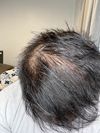
The user reported significant hair regrowth after 8.5 months using Minoxidil, Finasteride, and initially Biotin, with a 50% reduction in the balding crown area. They are considering either a hair transplant for further improvement or embracing a bald look, feeling confident they could pull it off.
A 31-year-old man feels depressed due to hair loss, using topical finasteride and previously tried minoxidil. Others suggest treatments like finasteride, minoxidil, hair transplants, or embracing baldness, highlighting the importance of mental health and self-acceptance.
After 7 months of a hair transplant, the user is experiencing significant hair loss despite using a minoxidil and finasteride topical solution daily. Losing around 100 hairs daily might be normal, but if it persists, other causes should be considered.
The user shared progress pictures showing significant hair regrowth from April 29 to May 16, 2024. They attribute their success to using spironolactone, vitamin D, viviscal, and minoxidil, and quitting vaping THC.
A case study that suggests verteporfin may be able to help regrow donor hairs after FUE extraction, and the potential implications of this result. Treatments discussed include Minoxidil, Finasteride, and RU58841.
A user's progress with hair loss treatments, including Finasteride, Minoxidil, dermarolling and ketoconazole shampoo; showing results of going from bald to having some hair growth. Replies include encouragement, admiration, and disappointment at not seeing similar results.
The user has been using finasteride for 3 years and minoxidil for 1.5 years with minimal side effects. They provide photo updates and are open to questions about their progress.
The user experienced reduced hair loss using an online serum but found it too expensive and is seeking a vendor for ptd-dbm. They are also interested in KY19382 but are unable to find it.
Extended-release minoxidil shows promise for hair regrowth, potentially adding 30 new hairs per cm, but concerns about side effects like increased body hair and shortness of breath remain. Users discuss combining it with finasteride or dutasteride for better results, while some express skepticism about it being a complete cure.
People are discussing making their own PP405 for hair loss treatment using JLX069 and DMSO. There is skepticism about the safety and effectiveness of this homemade solution, with some users expressing concerns about potential risks.
Shedding is common with minoxidil, and it often indicates new hair growth. Users discuss experiences with minoxidil, finasteride, and dutasteride, noting that results can vary and patience is needed.
UCLA's PP405 shows promise in reactivating dormant hair follicles for hair loss treatment but is still in clinical trials. Minoxidil and finasteride remain common treatments until PP405 becomes available.
A 30-year-old male successfully stopped hair loss and improved hair density using red light therapy, saw palmetto, vitamins, L-Arginine, fish oil, derma rolling, and specific shampoos, after experiencing negative effects from minoxidil and finasteride. He emphasizes focusing on blood flow and natural remedies, noting significant improvements in hair and beard fullness.
The conversation discusses the effectiveness of 5% versus 10% minoxidil, especially when combined with tretinoin, for hair loss treatment. The user is also using oral minoxidil, derma stamping, and has previously used finasteride, but is unsure of the results.
This user has had positive results from taking a 1 mg dose of finasteride and increasing their daily dosage of minoxidil from 2.5 to 5 mg over the course of 9 months.
A user's experience with finasteride and oral minoxidil for treating hair loss, which resulted in great regrowth and improved mental state. Other users asked questions about their own experiences with the treatments.
The user has been using finasteride, nizoral, microneedling, and recently added 3% peppermint oil to their hair loss treatment, experiencing regrowth similar to minoxidil. They suggest peppermint oil as a potentially effective, low-cost alternative or addition to minoxidil, with the added benefit of a pleasant smell and ease of use.
The user experienced significant hair regrowth after 3.5 months of using finasteride 1 mg daily, despite stopping minoxidil after three weeks. They were surprised by the results and noted some weight gain but no significant side effects.
The user is experiencing hair loss and has tried various treatments including topical and oral finasteride, minoxidil, dutasteride, and ketoconazole, but continues to lose hair. They are considering alternative solutions like hair systems due to the lack of improvement and a scalp condition called CVG.
The conversation critiques the influence of "Clavicular" on young men regarding hair loss treatments, highlighting the dangers of following unscientific advice and the rise of body dysmorphia. It emphasizes the importance of safe, medically advised treatments like minoxidil, finasteride, and dutasteride, while warning against reckless experimentation and early surgeries.
Transitioning from finasteride to dutasteride for hair loss, with suggestions to either slowly transition or frontload dutasteride. The user is also using minoxidil, nizoral, needling, and LLLT.
A 35-year-old transgender woman experienced hair regrowth with feminizing HRT, adding dutasteride and bicalutamide, and plans a hair transplant for further improvement. Estrogen also improved skin appearance, and the user advises against cisgender men using feminizing HRT for hair regrowth.
The user shared progress pictures and discussed their hair loss treatment routine, which includes minoxidil, finasteride, Nizoral, dermastamping, tretinoin, rosemary oil, hair peptides, biotin, and collagen supplements. They are seeking advice on hair transplantation, minoxidil application, and the impact of testosterone replacement therapy on hair loss.
The user experienced significant hair shedding after using a dermapen at 1.5mm weekly, which they later realized was too much. They are now using a dermapen at 0.75mm weekly and are also using topical minoxidil twice daily and finasteride 1.25mg daily.
COVID and COVID vaccination can trigger hair loss, primarily telogen effluvium, due to stress and immune system activation. Proper diagnosis and addressing factors like nutrition and stress are crucial for recovery.
A user with diffuse thinning alopecia uses a custom full cap wig for an active lifestyle, costing $450 and lasting about 10 months. They share their positive experience with the wig as an alternative for those for whom treatments like Minoxidil, finasteride, or RU58841 don't work.
The user is experiencing severe hair loss after surgery and stress, with thinning all over the head, including the sides and neck. They are unsure if it's due to DUPA or alopecia areata incognita, and doctors have not observed miniaturization.
The user plans to try finasteride again due to past side effects, considering a gradual increase starting at 0.25 mg every 5 days to reach 0.5 mg/day. They seek advice on a tapering schedule to minimize side effects.
A user experienced significant hair loss after starting microneedling, despite using dutasteride and topical minoxidil. They are advised to consult a doctor as the shedding pattern is unusual and may indicate alopecia areata or other scalp conditions.