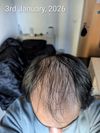
A 23-year-old male has been using topical finasteride and minoxidil for 2 years and switched to oral minoxidil in January. He is considering whether to get a hair system or a transplant.
A 32-year-old user reversed 8 years of hair loss in 15 months using finasteride, topical minoxidil, and later switching to dutasteride and oral minoxidil. The user reported significant hair regrowth, despite unconventional methods like ingesting topical minoxidil, and is considering a hair transplant for further improvement.
The user is considering adding Stemoxydine to their hair loss regimen, as they already use topical finasteride with rosemary and cannot use Minoxidil. They are seeking feedback on Stemoxydine and Alphatradiol, and another user mentions 2-deoxy-d-ribose as a potential option.
Clascoterone cream was submitted for review to Health Canada in August 2022, with hopes of approval within 3-6 months. It may potentially enhance finasteride's effects for hair loss treatment.
The user is considering a second hair transplant after previous treatments with finasteride and minoxidil failed to stop hair loss. Suggestions include trying dutasteride, oral minoxidil, scalp micropigmentation, or shaving the head.
Switching from finasteride to dutasteride can lead to increased shedding and hair loss for some, while others see improvement. The effectiveness varies, with some users experiencing better results with dutasteride, while others find finasteride more beneficial.
People discuss different methods for applying minoxidil foam to the scalp, with some using their hands, caps, or brushes for better coverage. Concerns about finasteride causing hair shedding are addressed, clarifying that healthy hair should not fall out.
Microneedling can still be beneficial when using oral finasteride and minoxidil, with a recommended needle length of 0.5mm to 1.0mm. A stamp or pen is preferred over a roller for microneedling.
A user shared their experience with hair loss treatments, using minoxidil, pyrilutamide, alfatrodial, and nizoral to improve hair density and thickness. They reported positive results without side effects and emphasized the importance of consistency with topical treatments.
A 20-year-old with diffused thinning is using oral minoxidil for androgenetic alopecia. They plan to switch to topical minoxidil, finasteride, and bimatoprost, and may consider surgery if their condition improves.
A user shared their positive experience using 2.5mg of finasteride daily for two years, noting significant hair regrowth and no erectile dysfunction issues. They plan to add minoxidil soon, despite some users suggesting that a lower dose of finasteride might be equally effective with fewer side effects.
The user is frustrated with hair loss despite using finasteride and is considering a hairpiece as a solution. Suggestions include trying a buzz cut, considering dutasteride or oral minoxidil, and addressing potential dietary issues.
The user experienced significant hair shedding after starting and stopping minoxidil and finasteride, leading to thin hair and personal distress. They are currently on oral finasteride without side effects and are advised to maintain consistent treatment and consider additional options like microneedling and oils.
The conversation discusses the use of dutasteride (0.5 mg daily) for hair loss, with additional treatments like minoxidil, derma rolling, and nizoral shampoo. The user reports positive progress over two years with no significant side effects, emphasizing the importance of consistency and patience.
The user has been using finasteride for six months to address hair loss and is considering adding topical minoxidil. Feedback suggests some progress with hair density, but noticeable changes may take more time.
The user has seen significant hair regrowth using topical minoxidil and dutasteride, with better results than finasteride alone. Despite concerns about hairline and temporal peaks, others believe a hair transplant is unnecessary due to the current hair condition.
A 33-year-old experienced significant hair regrowth on the crown after one year of using oral finasteride (1mg) and minoxidil (2.5mg) daily, with initial concerns about libido that resolved after a week. The user reported minimal shedding and no other side effects, making a hair transplant optional.
The conversation is about a user seeking feedback on hair regrowth progress after two months of using finasteride, minoxidil, ketoconazole shampoo, dermastamping, and iron supplements. Most responses suggest that two months is too early to see significant results and recommend patience, with noticeable changes typically occurring around 4-6 months.
A 31-year-old man shared his hair growth progress from July 2024 to March 2026 using oral finasteride (1mg) and minoxidil (2.5mg), with no significant side effects. He is considering switching treatments but is advised to continue with the current regimen due to its effectiveness.
The user experienced hair regrowth and improved hair density using oral finasteride and topical minoxidil, with microneedling as an additional treatment. They are considering a hair transplant for low-density areas but are uncertain due to existing follicles.
Topical finasteride in Europe is often seen as less effective than oral forms, with users suggesting alternative application methods for better results. Many prefer oral finasteride due to cost and effectiveness.
A 35-year-old had a hair transplant with 3,153 grafts at HLC Ankara, experiencing some pain and numbness but pleased with the density and results. The procedure cost $10,000, and the user has been using finasteride for over 13 years.
Hair regrowth treatments like Minoxidil and Finasteride take a long time, often up to a year, to show significant results, and people should be patient. Many users express frustration with unrealistic expectations for quick results and emphasize the importance of consistency and patience.
A 30-year-old shared their successful hair restoration journey using liposomal topical finasteride and minoxidil, vitamins, and a second hair transplant in Greece, which significantly improved their hair density without side effects. The transplant cost $7500 and involved filling an old scar, with the user expressing gratitude for the life-changing results.
The conversation is about whether vellus hair should be included in hair fall counts, with data showing daily hair loss. The consensus is that shedding, including vellus hair, is normal and within physiological limits.
A 41-year-old man shared his two-year progress using finasteride for hair regrowth, noting significant improvement but wishing he had started earlier. He plans to add oral minoxidil to his routine despite concerns about potential side effects, emphasizing the importance of starting treatment early to combat hair loss.
Finasteride and minoxidil help maintain hair and slightly improve hairlines but are less effective at regrowing hair in bald areas, often needing a hair transplant for full restoration. Many users report no side effects and wish they had started treatment earlier.
Derek has maintained his hair for over a decade using dutasteride, keto shampoo, and previously minoxidil, despite early hair loss and family history of baldness. Other users discuss their own hair loss treatments, including combinations of oral minoxidil, finasteride, dutasteride, RU58841, nizoral, microneedling, and low-level laser therapy.
A 21-year-old started treatment for androgenetic alopecia and seborrheic dermatitis with oral finasteride, topical minoxidil, anti-dandruff shampoo, and a corticosteroid solution. After 1.5 months, they noticed increased hair density and are considering switching to oral minoxidil due to scalp issues.
The conversation is about a user who initially had success with topical minoxidil and derma rolling for hair loss but experienced hair loss after stopping. They are now using a new treatment plan including topical and oral minoxidil, finasteride, and ketoconazole shampoo, and are seeking advice on dosage frequency for finasteride.