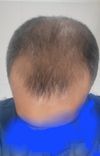
Hair loss discussion includes treatments like Minoxidil, finasteride, and RU58841. Platelet rich plasma treatment is considered expensive but cheaper than hair transplant.
A user shared their experience with a hair transplant, emphasizing the importance of avoiding caffeine 7 days before the procedure. Ignoring this advice led to reduced effectiveness of the numbing agent, causing significant discomfort during the transplant.
A 31-year-old experiencing rapid hair loss is considering whether to shave their head or use treatments. They were prescribed B12, topical finasteride 0.1%, and minoxidil 10% but are unsure about the correct dosage and potential side effects.
Ursolic acid, found in apple peels, lemongrass, rosemary, and lavender, may have anti-androgen effects similar to finasteride. It might be beneficial for hair health when used with other treatments like Minoxidil, Finasteride, and RU58841.
Ashwagandha topical formulation may increase hair density and reduce hair loss, but results seem too good to be true due to a small sample size. Users are skeptical about its effectiveness and are experimenting with different application methods.
SCUBE3 and Amplifica's progress in hair loss treatment is being discussed, with inquiries about their current status and clinical trials. No specific updates or new information are provided in the conversation.
The user is experiencing asymmetrical hair loss at the frontal hairline and is concerned about potential conditions like frontal fibrosing alopecia. They have started using finasteride and pumpkin seed oil to address the issue.
Stopping finasteride may reduce water retention or alter fat distribution, leading to a leaner face. Hormonal changes, like reduced DHT or increased estrogen, could cause these effects.
A user's success in hair regrowth after taking oral and topical medications, such as minoxidil and dutasteride, and using microneedling. Other users shared their experiences and advice with treatments used to reverse hair loss.
User started with rosemary oil, then used oral minoxidil, topical minoxidil, dutasteride, RU58841, derma rolling, and keto for hair loss treatment. Significant progress was made, and others praised the aggressive approach.
A user is considering a hair transplant in a "mohawk" pattern with scalp micropigmentation (SMP) on the sides and back, questioning its feasibility and appearance. Others discuss donor region quality, potential scarring, and alternative treatments like dutasteride and RU58841.
PP405 is a potential new hair loss treatment that works through metabolic pathways rather than hormonal ones, with an estimated market release between late 2027 and 2029. Current alternatives to finasteride include minoxidil, pyralutamide, fluridil, and RU58841, with hair transplants also being a viable option.
PP405 shows promising results for hair growth, potentially outperforming finasteride without side effects like erectile dysfunction. Users discuss using treatments like minoxidil, pyrilutamide, nizoral, and alfatradiol while waiting for PP405's availability.
The user is experimenting with a mix of topical treatments, including finasteride and minoxidil, to improve hair growth, particularly at the temples and core. They are also trying various oils, despite skepticism about their effectiveness, to see if they can enhance results without causing harm.
Hair loss treatments Fin and Minoxidil failed for user. Suggested alternatives are 75mg oral spiro and RU58841, but concerns about low testosterone and self-esteem were raised.
Significant hair regrowth was achieved using RU58841, minoxidil, and microneedling during a high-dose steroid cycle. The user reported no side effects from RU58841 and plans to continue the regimen.
Verteporfin is being explored for its potential to improve hair transplant outcomes by reducing scarring and increasing donor hair follicles. There is skepticism about the results, with some claiming misleading presentation of evidence.
The user discusses using essential oils like peppermint, rosemary, tea tree, and lavender to improve hair thickness and seborrheic dermatitis. They plan to add RU58841 to their routine and seek advice on using it alongside the essential oils without interference.
The conversation discusses skepticism and diminishing excitement around the hair loss treatment PP405 due to unclear trial results. It also mentions other treatments like finasteride, minoxidil, VDPHL01 (extended-release minoxidil), and GT20026 as potential options for hair loss management.
A 29-year-old male with diffuse thinning plans to start minoxidil and finasteride soon but is concerned about potential shedding before a big event in late April/early May. He is considering whether to start treatment now or wait until after the event.
A 21-year-old male diagnosed with telogen effluvium and male pattern baldness started oral finasteride, which initially slowed hair loss and slightly thickened hair, but experienced increased shedding after surgery. The doctor recommended iron and vitamin D supplements, and the user is seeking additional advice.
Topical minoxidil can cause water retention, making the face appear swollen. Switching from liquid to foam and reducing application frequency may help; using dandelion root extract as a diuretic is also suggested.
The user is considering starting topical minoxidil alongside 1 mg oral finasteride but is concerned about potential shedding before their wedding. They are debating whether to start minoxidil now or wait a few months to allow their body to adjust to finasteride.
PP405 is criticized for overhyped claims and cherry-picked data, with doubts about its effectiveness compared to minoxidil and finasteride. Many users express skepticism, emphasizing the need for more comprehensive trial results.
The user is experiencing diffuse thinning and inflammation despite using 2.5mg dutasteride daily, ciclopirox, and ketoconazole shampoos. They are considering treatments like hydroxychloroquine and JAK inhibitors due to suspected scarring alopecia and have faced challenges in obtaining a scalp biopsy.
The conclusion of the conversation is that the user, djamezz, has experienced significant regrowth and improved density in their hairline by using treatments such as RU (RU58841), dut (dutasteride), and Inkey's Caffeine Scalp treatment. They are satisfied with their progress and do not plan to cut off their hair.
Switching from daily 0.5mg dutasteride to three times a week may reduce side effects without worsening hair loss. Bloodwork showed no abnormalities, supporting the change.
A 20-year-old user experienced significant hair regrowth after using 5% minoxidil foam and finasteride for four months, starting to see results after two months with no side effects. They also cut off damaged hair ends, wash their hair every other day, and advise managing stress to improve hair loss outcomes.
The user is trying RU58841, oral minoxidil, and dermarolling to combat hair loss caused by increased scalp testosterone after using finasteride and dutasteride. They plan to document their results.