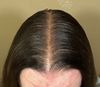
Inflammation on the scalp can hinder hair regrowth and the effectiveness of treatments. The user is using ketoconazole shampoo, Selsun Blue, finasteride, and oral minoxidil.
This user experienced severe hair loss, but was able to successfully treat it with finasteride over a two year period. Despite experiencing multiple shedding cycles while on the medication, Mission5896 reported that their hair continued to get thicker and stronger. Additionally, they tried both minoxidil orally and topically, but only found success with finasteride.
Cosmetics Hut Hair Strengthening Shampoo with Biotin Peppermint Platyclaudus is popular for reducing hair shedding. Other treatments mentioned include Minoxidil, finasteride, ketoconazole shampoo, and biotin supplements.
The user shared progress pictures after 7 months of using 3.5 mg of minoxidil and finasteride orally, reporting significant hair regrowth. They noted the need to continue the treatment indefinitely to maintain results, with no side effects experienced.
Minoxidil's effectiveness varies due to differences in sulfotransferase enzyme levels in the scalp, affecting people with conditions like ASD, liver disease, and androgenic alopecia. Treatments like topical tretinoin, microneedling, and using minoxidil sulfate instead of regular minoxidil can improve results for those with low enzyme levels.
The user experienced significant hair shedding initially but saw progress after 8 months using 1.25 mg of oral finasteride and minoxidil. They noticed increased hair growth on their eyelashes, eyebrows, and body, and considered increasing the dosage but decided to maintain the current regimen.
The user is using topical dutasteride, minoxidil, and spironolactone for hair loss, with positive results after adding spironolactone. Another user takes oral spironolactone, dutasteride, and finasteride, noting decreased libido but no major side effects.
The user has been using finasteride and minoxidil for hair loss but is experiencing thinning at the crown and is considering a hair transplant. They are seeking advice on other treatments to try before proceeding with a transplant and how to find a reputable doctor.
A user reported positive results using finasteride 1.25mg daily for six years with no side effects, highlighting early treatment benefits. Others discussed experiences with finasteride, minoxidil, and dutasteride, mentioning different side effects and effectiveness.
A user shared progress pictures showing significant hair regrowth after using a topical solution containing 5% Minoxidil, Finasteride, Redensyl, and Procapyl. The user reported no side effects and applies the solution twice daily.
A 51-year-old woman switched from Minoxidil to Maneup, a copper peptide treatment, experiencing initial hair loss but later regrowth with different hair texture. Users debated Maneup's effectiveness, with some considering it alongside finasteride.
Ketoconazole shampoos are primarily for dandruff and fungus but may aid hair growth slightly, though results are minor compared to finasteride and minoxidil. Users report it helps with scalp health and inflammation, but it can dry out hair if used too often.
The user is experiencing severe hair loss despite using finasteride for 10 months and suspects scalp buildup might be contributing. Suggestions include using ketoconazole shampoo, consulting a dermatologist, and trying terbinafine cream.
A user shared their experience with finasteride, noting improved hair thickness but reduced libido and erection issues. They stopped finasteride, saw a return of libido but also rapid hair loss, and are now considering using Cialis to manage sexual side effects while on finasteride.
The user believes neck tension and poor posture contribute to hair loss, noticing improvements with yoga and muscle relaxation. Replies suggest androgenic alopecia as the cause and recommend exercises.
A user is quitting ketoconazole shampoo, believing it worsened their hair condition, and plans to use clarifying, keratin, and pH balanced moisturizing shampoos instead. Another user suggests using conditioner after ketoconazole to prevent dryness.
A 36-year-old man saw steady improvement in hair thickness after 1.5 years using Hims minoxidil/finasteride spray and hair/nail vitamins, with no side effects. He applies the treatment with an eye dropper for better scalp coverage and emphasizes the importance of patience and consistency.
The conversation is about someone's hair improvement after 5.5 years on finasteride, with various users commenting on the results and discussing their own experiences with hair loss treatments. Some users can't see a difference, while others inquire about the dosage used.
The conversation is about the struggles of dealing with diffuse thinning at a young age and the lack of significant improvement after using treatments like finasteride and minoxidil. Some suggest additional methods like derma rolling, microneedling, and hair fibers, while others share their own experiences and encourage persistence with treatment.
The conversation is about a 17-year-old experiencing severe hair thinning and the advice given is to see a dermatologist or doctor to check for underlying health issues or to start treatment early if it's male pattern baldness.
The "Big 3 Stack" for hair loss treatment, which includes Minoxidil for hair density improvement, Ketoconazole shampoo for enhancing hair volume and thickness, and Finasteride for blocking hair loss causing hormones. Microneedling can boost Minoxidil's effects.
A user has been on finasteride for 6 months and feels their hair quality has worsened, experiencing more hair loss and scalp irritation. They are considering seeing a dermatologist, while others suggest the issue might be unrelated to finasteride, possibly due to deficiencies or other conditions.
User experienced hair regrowth after eliminating scalp itch with RU58841. Others discussed itch and hair loss connection, and effectiveness of combining RU58841 with 5AR inhibitors.
The effects of finasteride and dutasteride on beard growth, whether minoxidil would help with facial hair loss caused by DHT blockers, and anecdotal evidence from users who have experienced either decreased or increased facial hair density while using these treatments.
A user's 6-month journey to treat their hair loss using 1mg finasteride twice daily, topical minoxidil, vitamin D3, keto diet, and microneedling. They experienced shedding at the end of month 3 but have seen progress in recent months despite this.
The user is experiencing increased hair shedding while using finasteride and RU58841, possibly due to changes in application methods. They are considering adding minoxidil and stemoxydine to their regimen to improve results and manage hair greasiness.
The user has chronic itchy scalp and dandruff, unresponsive to ketoconazole, selenium sulfide, zinc pyrithione, coal tar, and salicylic acid. Topical steroids were also ineffective for long-term use.
A user's 2.5 year transformation of using 0.5mg finasteride and RU58841 to combat hair loss, with the possibility of increasing the RU for further regrowth.