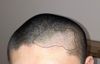
The conversation is about a potential new hair loss treatment called Breezula CB-03-01. Users are discussing updates on its development and sharing personal experiences with making or using it.
HMI 115 is being discussed as a potential hair loss treatment, with skepticism due to past disappointments like cosmeRNA, brezula, and pyrilutamide. The user is questioning if they should be hopeful for new developments in the next six years.
Hair loss discussion includes treatments like Minoxidil, Finasteride, and RU58841. Users share experiences and support, mentioning that many people face hair thinning.
HMI-115, a newly discovered hair loss treatment that could potentially be effective for those with diffuse thinning and telogen effluvium. It is based on prolactin receptor antagonist signaling and has already undergone Phase I trials in women, with potential commercialization by 2027.
The conversation discusses methods to further reduce DHT in the scalp for hair loss treatment, with users suggesting various approaches like using dutasteride, minoxidil, tretinoin, and natural supplements like pumpkin seed oil. Some users also mention using topical applications and scalp massages to enhance the effectiveness of these treatments.
Cosmetics Hut Hair Strengthening Shampoo with Biotin Peppermint Platyclaudus is popular for reducing hair shedding. Other treatments mentioned include Minoxidil, finasteride, ketoconazole shampoo, and biotin supplements.
Hair loss treatments discussed include Fluridil, Minoxidil, Stem, Niz, Viviscal, Broccoli Sprouts, and Derma. One user claims most treatments are ineffective, while another supports Eucapil.
Topical Minoxidil and RU58841 can make hair look brittle and thin, possibly due to the propylene glycol in their solutions. Some users experience side effects like heart palpitations with RU58841, while others have no issues.
A user found a solution for Minoxidil-induced dandruff by using a custom NRF 11.121 mixture from a local pharmacy, which includes ingredients like Isopropyl palmitate and Cremophor RH 40. This formulation prevents dryness and allows better penetration when using hair shaders.
The conversation discusses the struggle with diffuse hair thinning and the effectiveness of treatments like finasteride, minoxidil, and RU58841. Users share experiences of hair thickening and shedding stopping with these treatments, but results vary and some are skeptical.
People with diffuse thinning and retrograde hair loss are discussing treatments like finasteride, minoxidil, and dutasteride, with some reporting improvements and others experiencing issues like scalp inflammation and increased sebum. Suggestions include addressing scalp inflammation, considering gut health, and possibly using topical antiandrogens or micro-needling.
Verteporfin might be a potential cure for hair loss and could heal scars, which may lead to natural-looking results when combined with hairline lowering surgery. One person suggests waiting to see if verteporfin actually works as claimed.
High frequency ultrasonography and HR-MRI can help identify hair shedding causes like inflammation and fibrosis. The conversation discusses the potential of using these technologies to evaluate treatments like Verteporfin for hair regeneration.
A user is discussing making a DIY topical finasteride solution using ingredients like water, alcohol, propylene glycol, ethanol, and glycerin, and is concerned about the stability of the mixture. Other users suggest that the solution will work and discuss the importance of propylene glycol for drug dissolution and factors like temperature and light affecting finasteride stability.
PP405 shows promising results for hair density improvement, potentially outperforming Minoxidil in a shorter time. However, its public release is expected around 2029/2030, and its cost and availability remain uncertain.
Exploring the idea of transplanting miniaturized hair follicles to healthier areas to potentially reverse hair loss, with concerns about DHT sensitivity and scar tissue formation. The conversation also humorously considers using mice for hair growth experiments.
A pharmacy student proposed a hair loss treatment using minoxidil, finasteride, clascoterone, and tretinoin, aiming for high effectiveness with minimal side effects. Reactions were mixed, with some questioning its feasibility and others showing interest.
The user is experiencing one-sided diffuse thinning and has been using finasteride and liquid minoxidil for 4-5 years with minimal results. They are considering whether to save for a hair transplant or address scalp sensitivity and irritation first.
The conversation discusses enhancing Minoxidil absorption for hair loss treatment using Tretinoin and MSM (Methylsulfonylmethane). The user is seeking sources for Tretinoin and mentions MSM's potential to improve the absorption of topical agents.
Treatments for hair loss, such as minoxidil, finasteride, and RU58841; humorous posts about hair loss; and the choice to stop using treatments in exchange for a different look.
The potential of using Verteporfin to prevent hair loss scars and possible regrowth, with two doctors currently testing it, although the price of a 15mg bottle is expensive.
DLQ01, a prostaglandin F2α analog, shows promise for hair growth by directly stimulating PGE2/PGF receptors without needing conversion, and can be combined with minoxidil and retinoids like tretinoin for enhanced effectiveness. Minoxidil's efficacy may be reduced by COX-1 inhibitors, but using prostaglandin analogs like Latanoprost or Bimatoprost can help maintain its effectiveness.
Exploring different treatments for hair loss, such as cosmeRNA and HMI-115 which are small interference messenger RNA that inhibits the DHT receptor and an antibody that binds to the prolactin (PRL) receptor respectively; and researching mechanism and environment of hyperresponders.
A user has been using Waterman's Grow Me Shampoo, which claims to have DHT blockers and promote hair growth. They've noticed potentially faster hair growth and some new hairs but are unsure if the product is effective or not.
The conversation is about a 21-year-old using finasteride, dermarolling, ketoconazole shampoo, hair growth serums, and exosome therapy to treat early-stage thinning on the crown. They are questioning if these treatments are sufficient to improve hair thickness.
The conversation discusses the molecular structures of compounds that reduce DHT levels, including finasteride and Ashwagandha. It explores the potential of using Ashwagandha topically as a 5a reductase inhibitor.
The conversation discusses concerns about RU58841 degrading when exposed to light and transferring pyri to a dark glass bottle to prevent this. The user keeps the pyri out for only two minutes before storing it in a dark place.
The user is experiencing hair thinning at the front of the scalp and is seeking advice on regrowing long curly hair. They are considering treatments like Minoxidil, finasteride, and RU58841 to prioritize hair regrowth.